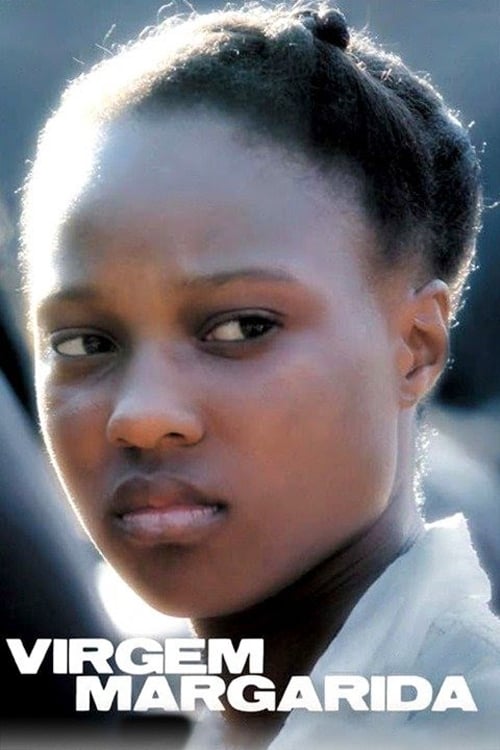
Virgin Margarida
2012
No user ratings available yet
Representation score: 6.8 out of 10

Representation Score
Fair
2017
Not RatedDirector
Marta Mateus
Runtime
25 minutes
Average Rating
No ratings yetNew Showbiz Analysis
Barbs, Wastelands serves as a vital oral history, centering the lived experiences of the Alentejo peasantry. By focusing on the Carnation Revolution and the struggle against landed elites, the film prioritizes the voices of those traditionally sidelined by dominant historical narratives. The film’s strength lies in its cultural critique of systemic power and its commitment to passing historical resistance from elders to the youth. However, the narrative lacks visibility regarding LGBTQ+ identities and disability representation. The focus remains strictly on socio-political and class-based struggles of the regional population.
Category Breakdown
The film focuses on the socio-political upheaval of the Carnation Revolution and the occupation of agricultural land. It does not explicitly depict any queer narratives or non-straight relationships.
The narrative centers on the peasants and resistors of the Alentejo region. While specific character arcs are not detailed, the film’s focus on class struggle suggests a disruption of traditional patriarchal power structures.
Set in Portugal, the cast likely reflects the regional population. The narrative prioritizes class-based identity over contemporary racial diversity.
The film explores themes that challenge Western institutional hierarchies. By documenting land occupation and resistance against masters, it critiques capitalist ownership and emphasizes collective action.
There is no documented evidence regarding the inclusion or portrayal of characters with physical or neurodivergent disabilities.
Present on Screen
Limited or Absent
Official Synopsis
After the Carnation Revolution the peasants in the Alentejo region occupied the huge proprieties where they were once submitted to the power of their masters. The protagonists of this film, resistants of this struggle, tell their story to the youngsters of today, in their own words.
2012
1963
2013
1964
1979
2015

1978
1961
No reviews yet. Be the first to share your thoughts on this movie!
Use the rating form above to leave a star rating and optional review.