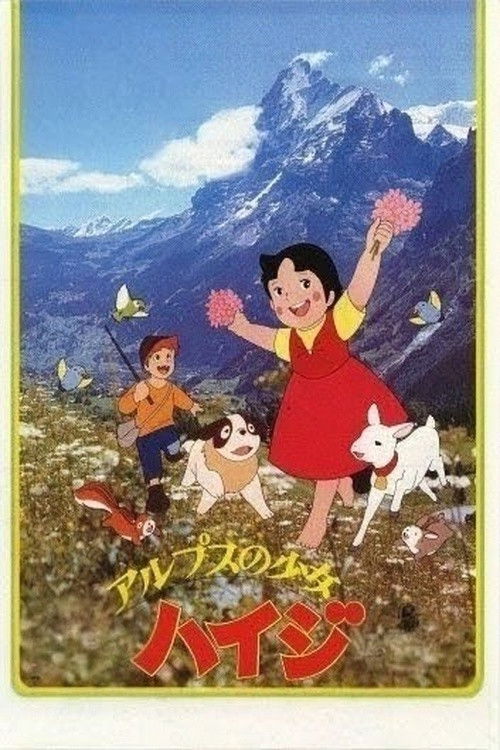
The Story of Heidi
1979
No user ratings available yet
Representation score: 4.1 out of 10
Representation Score
Fair
1974
Director
Isao Takahata
Runtime
0 minutes
Average Rating
No ratings yetNew Showbiz Analysis
Directed by Isao Takahata, this adaptation explores the psychological tension between natural autonomy and institutional rigidity. It excels in its nuanced portrayal of physical disability and women's ability to drive the story. However, the film is limited by its strict adherence to the historical and geographical demographics of its Swiss setting, resulting in a lack of racial and LGBTQ+ diversity. Ultimately, the work balances traditional demographic constraints with a deep, auteur-driven exploration of human connection and the restorative power of nature.
Category Breakdown
The film adheres closely to its 19th-century setting, featuring no queer subtext or non-cisgender identities.
Heidi is a strong female protagonist whose actions drive the story's emotional core. She avoids being a damsel in distress, but supporting women often remain in traditional nurturing roles.
The cast is entirely homogeneous, reflecting the specific Swiss demographic of the source material. There is no racial blending or color-blind casting.
The film contrasts the freedom of the mountains with the emotional sterility of urban institutions. It operates within a traditional moral framework centered on community and kindness.
Clara’s physical disability is treated with nuance rather than mere pity. The story focuses on her lived experience and how her environment impacts her.
Present on Screen
Limited or Absent
Official Synopsis
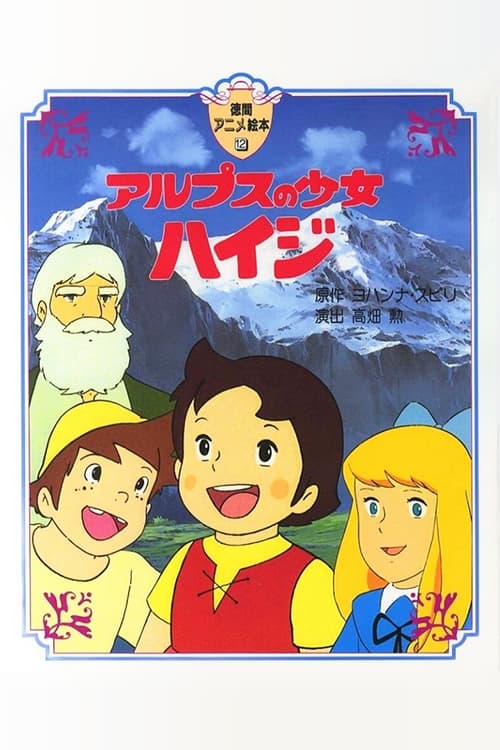
Heidi (1974) Japanese anime series by Zuiyo Eizo (now Nippon Animation) based on the Swiss novel Heidi's Years of Wandering and Learning by Johanna Spyri (1880). It was directed by Isao Takahata A feature-length film Heidi in the Mountains, aka The Story of Heidi, was edited from the series by Zuiyo (which by then was a separate entity from Nippon Animation, which employed many of the TV series' animation staff) distributed in 1979. All cast were replaced excluding Heidi and the grandfather. This movie is also the only incarnation of the Heidi anime to have been released commercially in the United States in English (on home video in the 1980s). Isao Takahata remarked "Neither Hayao Miyazaki nor I are completely related to any shortening version" on this work.
1979

1957

1972
1991
2005
1973
1994
1952
No reviews yet. Be the first to share your thoughts on this movie!
Use the rating form above to leave a star rating and optional review.