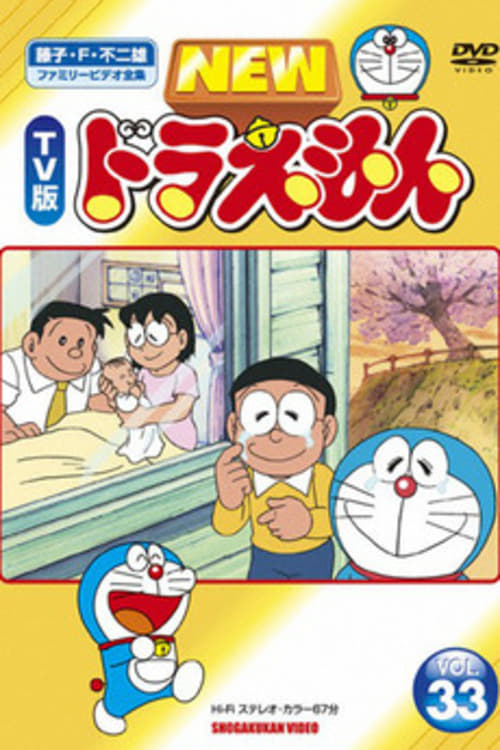
Doraemon: The Day When I Was Born
2002
No user ratings available yet
Representation score: 0.4 out of 10

Representation Score
Limited
2001
Director
Ayumu Watanabe
Runtime
26 minutes
Average Rating
No ratings yetNew Showbiz Analysis
This film adheres to traditional genre conventions, focusing on established franchise archetypes rather than narrative subversion. It reinforces conventional views of childhood hierarchy and cultural homogeneity through its character studies. The storytelling centers on domestic social norms and a specific cultural context, providing a clear but limited perspective. It reflects its cultural setting without expanding its demographic scope.
Category Breakdown
The film does not include any LGBTQ+ characters or explore non-traditional gender identities. It focuses on a typical group of school-aged children without addressing queer identities.
The film maintains traditional gender roles, emphasizing the male character Gian’s personal ability to act. It does not challenge stereotypes about masculinity or present it as a comedic element.
The cast is made up of Japanese children in a suburban setting, with no diversity in ethnicity or use of non-human metaphors for cultural differences.
The story follows traditional social structures and middle-class domestic life. It does not critique institutions like the family or challenge social hierarchies.
The film does not depict any visible or invisible disabilities. Characters are shown functioning within a typical range of physical and cognitive abilities.
Present on Screen
Limited or Absent
Official Synopsis
A 2001 Japanese short anime family film based on the popular manga and anime series, Doraemon. It premiered on March 10, 2001 in Japan on a bill with Doraemon: Nobita and the Winged Braves. The movie's original plot was written by Hiroshi Fujimoto and Motoo Abiko.
2002
2020

1998
2014

1999

1981

1980
1994
No reviews yet. Be the first to share your thoughts on this movie!
Use the rating form above to leave a star rating and optional review.