Winnie-the-Pooh
1969
No user ratings available yet
Representation score: 8.0 out of 10
Representation Score
Fair
1971
Director
Fyodor Khitruk
Runtime
10 minutes
Average Rating
No ratings yetNew Showbiz Analysis
Fyodor Khitruk’s animation uses a non-human cast to sidestep many typical identity politics clichés. By focusing on whimsical, non-linear character studies, the film avoids reinforcing traditional Western social structures or rigid hierarchies. The work creates a social space defined by character eccentricity. While it does not offer explicit progressive messaging, its minimalist aesthetic and focus on simple, communal interactions establish a unique, neutral environment. Ultimately, the film’s strength lies in its ability to avoid systemic identity issues through its anthropomorphic lens, though it lacks specific representation for underrepresented human groups.
Category Breakdown
The film focuses on platonic friendships among anthropomorphic animals and does not depict same-sex intimacy or non-cisgender identities.
Characters exist in a gender-neutral world where traditional masculine or feminine roles are absent. Peer-to-peer interactions define the social structure rather than hierarchical ones.
The non-human setting avoids human racial or ethnic markers. Character designs emphasize species identity over a homogeneous human norm.
The narrative emphasizes communal interactions and hospitality over Western consumerism. It centers on collective experiences rather than individual status or material wealth.
Eeyore’s low energy is considered a personality trait rather than a disability. The film does not explore neurodivergent identities through its eccentric characters.
Present on Screen
Limited or Absent
Official Synopsis
The second of the Soviet Winnie-the-Pooh series. This one had Pooh and Piglet visiting Rabbit for a meal with honey.
1969

1977
1995
1981
1999
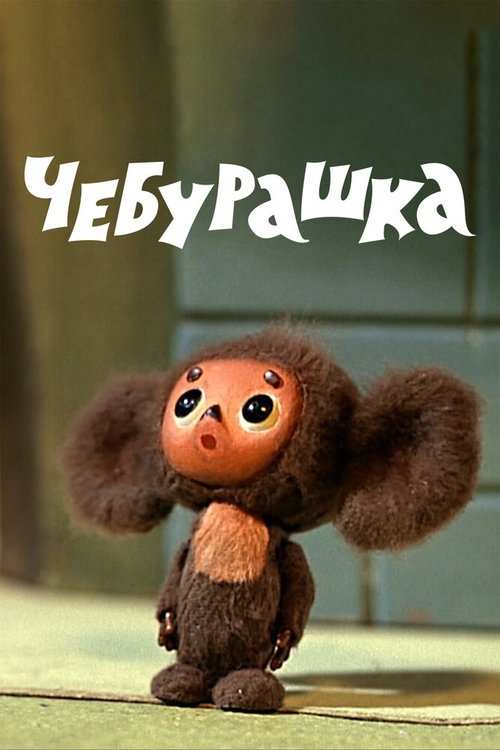
1971
1996
1991
No reviews yet. Be the first to share your thoughts on this movie!
Use the rating form above to leave a star rating and optional review.