
Yuku and the Himalayan Flower
2022
No user ratings available yet
Diversity score: 5.5 out of 10
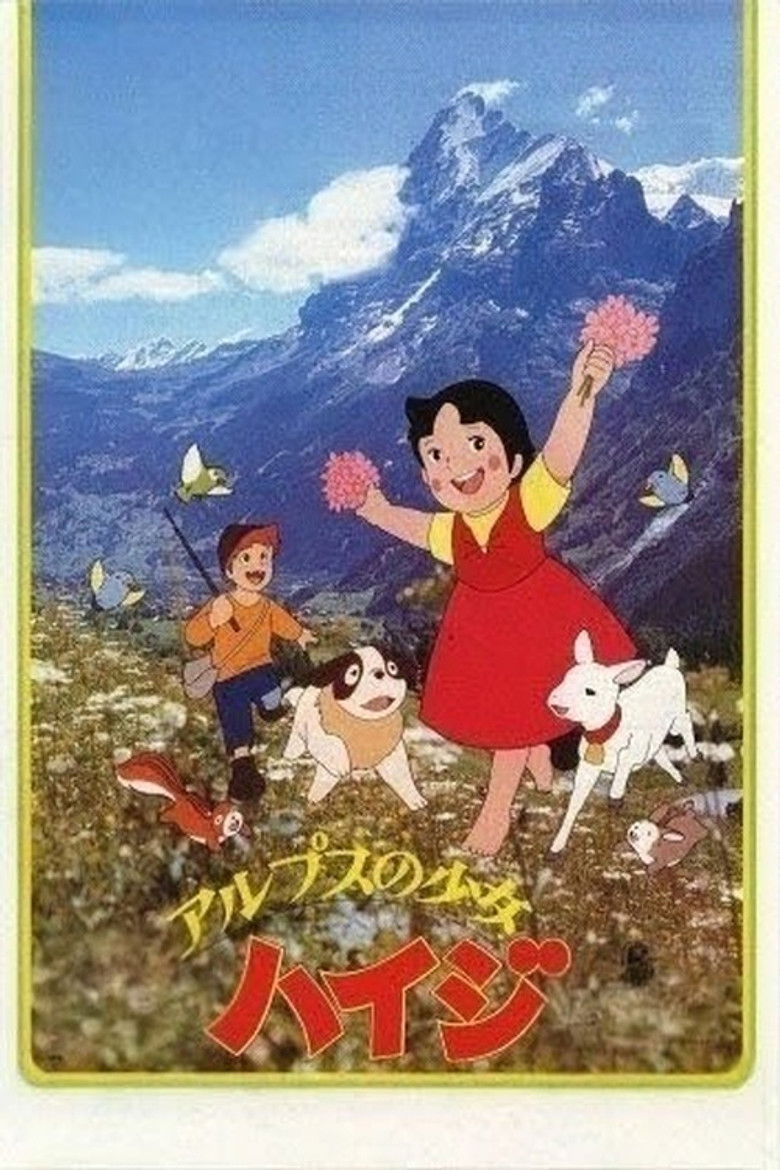
1979
Director
Isao Takahata
Runtime
107 minutes
Average Rating
No ratings yetSynopsis
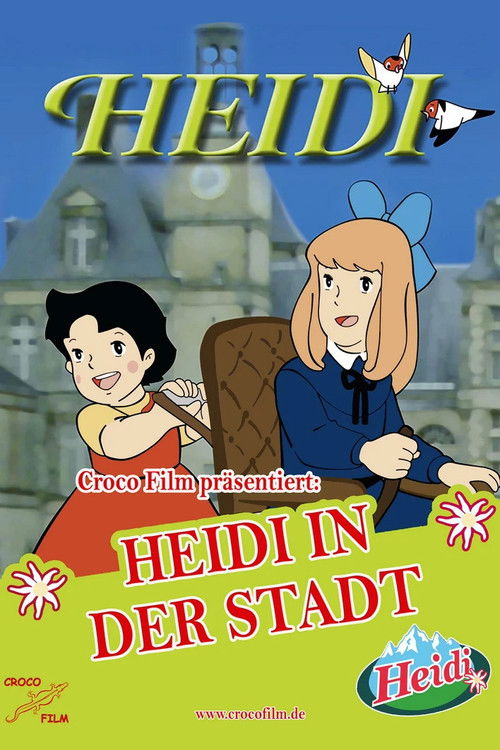
Heidi is five years old when her aunt Dete, who has raised Heidi since her parents' deaths four years earlier, takes the orphaned Heidi to live with her formidable grandfather in the Swiss Alps. The American feature-length adaptation of Heidi (1974), the Japanese anime series produced by Zuiyo Eizo.
Overall Score
Limited
Category Breakdown
LGBTQ+ Representation
The film contains no LGBTQ+ characters or non-heteronormative identities. The 19th-century Swiss setting operates strictly within traditional heteronormative frameworks.
Gender Representation
Heidi serves as a resilient catalyst for change, disrupting her grandfather's rigid masculinity. While she demonstrates significant agency, the story remains rooted in traditional coming-of-age structures.
Racial & Ethnic Diversity
The pastoral setting features a largely homogeneous European cast. The narrative focuses on socioeconomic distinctions rather than racial or ethnic intersectionality.
Religious & Cultural Diversity
The story critiques urban industrialization by contrasting the warmth of rural life against the coldness of Frankfurt. It emphasizes nature over rigid Western institutional hierarchies.
Disability Representation
The narrative touches on physical and emotional vulnerabilities. However, these hardships are often framed through traditional melodrama rather than active agency or neurodivergent representation.
Strengths
Areas for Improvement
AI Analysis
Isao Takahata’s direction prioritizes pastoral humanism and emotional realism over modern identity politics. The film excels at using its setting to critique the dehumanizing structures of industrial capitalism and urban social hierarchies. However, the work is limited by its period-specific focus, resulting in a lack of racial, ethnic, or LGBTQ+ diversity. The cast remains culturally homogeneous, reflecting the traditional Swiss setting. Ultimately, the film is intellectually disruptive regarding societal structures, even if it lacks contemporary markers of intersectional representation.
2022

1984
2011
1963

2012
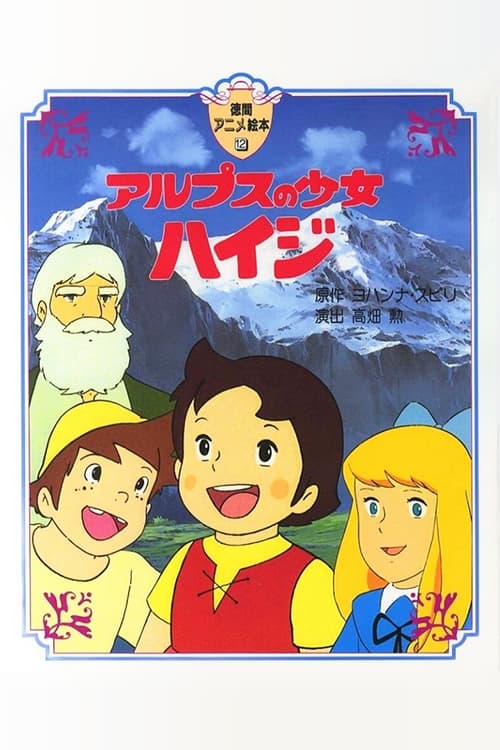
1974
1977
1999

1973
No reviews yet. Be the first to share your thoughts on this movie!
Use the rating form above to leave a star rating and optional review.