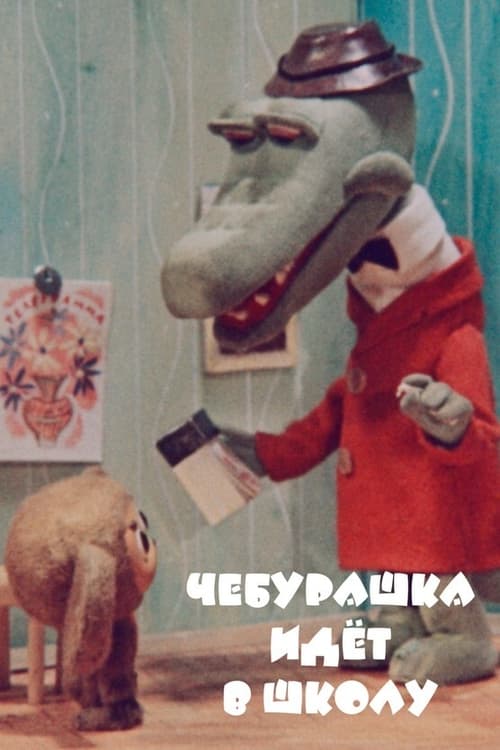
Cheburashka Goes to School
1983
No user ratings available yet
Representation score: 5.1 out of 10
Representation Score
Fair
1971
TV-YDirector
Roman Kachanov
Runtime
19 minutes
Average Rating
No ratings yetNew Showbiz Analysis
Cheburashka explores the theme of social cohesion using anthropomorphic characters as metaphors for social outsiders. The narrative centers on integrating 'misfits' into a collective, offering a unique perspective on community building. The film avoids modern identity politics, focusing instead on a communalist worldview where fulfillment comes from contributing to the group. This approach replaces individual achievement with a model of shared social responsibility. Though lacking diverse human representation, the film’s strength lies in its empathetic portrayal of characters with unique physical or social traits.
Category Breakdown
The film centers on a platonic relationship between Gena and Cheburashka, both of whom are male-coded characters. It does not include explicit LGBTQ+ themes or non-cisgender identities, staying within the traditional boundaries of its time.
Male characters primarily drive the plot through communal labor. Shapoklyak is portrayed as a mischievous figure, providing a counterpoint to the main characters.
Using non-human species, the film avoids traditional racial markers. Identity is defined through social contribution rather than physical appearance.
The narrative emphasizes collectivism and communal efforts over individual pursuits. Shared labor and the creation of public spaces are highlighted to combat loneliness through social integration.
Cheburashka’s unique physical characteristics serve as a metaphor for physical or neurodivergent 'otherness.' The story portrays his outsider status with empathy, focusing on his active participation in the community.
Present on Screen
Limited or Absent
Official Synopsis
Second animation about Gena and Cheburashka. Cheburashka wishes Gena the Crocodile a happy birthday and gives him a toy helicopter as a gift. After meeting some pioneers, they decide to be pioneers themselves. They build a playground for the local children and collect scrap metal, after which they become pioneers.
1983
1969

1974
1973
1964
1984
1963
1971
No reviews yet. Be the first to share your thoughts on this movie!
Use the rating form above to leave a star rating and optional review.