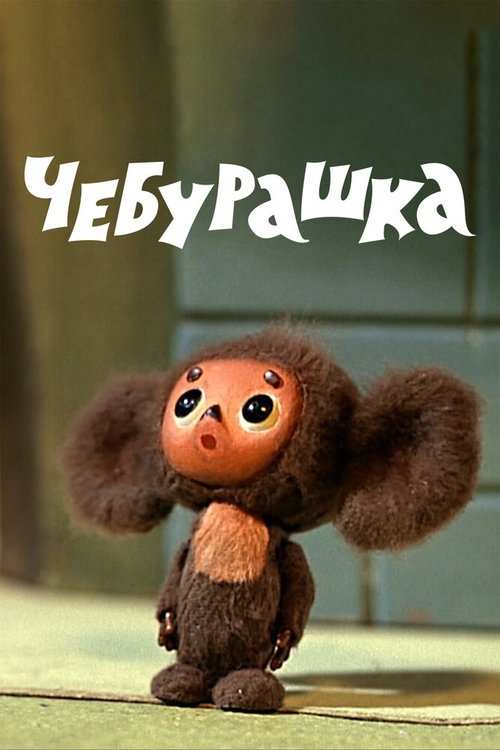
Cheburashka
1971
No user ratings available yet
Representation score: 4.9 out of 10
Representation Score
Fair
1983
Director
Roman Kachanov
Runtime
10 minutes
Average Rating
No ratings yetNew Showbiz Analysis
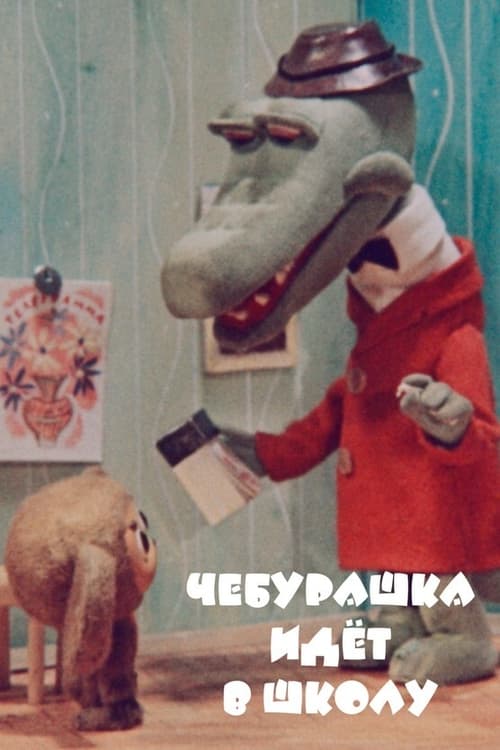
Cheburashka Goes to School is a traditional instructional narrative rooted in mid-20th-century social structures. It prioritizes communal cooperation and character-driven empathy over individualistic conflict. The film excels in addressing cognitive accessibility and challenging traditional feminine stereotypes. By presenting literacy struggles as a journey toward empowerment, it offers a gentle approach to developmental differences. However, it lacks modern markers of diversity and explicit representation of non-traditional identities. It remains a product of its era, emphasizing social integration within a specific cultural framework.
Category Breakdown
The film highlights friendships and community responsibilities but does not depict non-straight relationships or same-sex interactions.
Gena plays a traditional mentor role, while Shapoklyak breaks away from typical feminine stereotypes by acting outside domestic duties. However, the narrative still follows conventional social roles.
Using anthropomorphic characters, the film downplays specific ethnic traits. This approach centers on a universal, collective identity rather than modern Western diversity standards.
The story emphasizes civic duty and the importance of public institutions like schools. It promotes social cohesion and communal stability through collective problem-solving and service.
Cheburashka’s struggle with literacy is shown as a learning challenge. The film portrays overcoming this through social support rather than viewing it as a deficit.
Present on Screen
Limited or Absent
Official Synopsis
Fourth animation about Gena and Cheburashka. Gena finds out that Cheburashka is unable to read. Luckily, the next day is September 1, the first day of school, and Gena decides to take Cheburashka to school so he can learn. After failing to buy a school uniform, they go to the school anyway, only to find it is closed for repair. Shapoklyak uses Lariska the Rat to stimulate the workers to repair the school quickly. As the school also doesn't have enough teachers, Gena and Shapoklyak volunteer to be teachers.
1971
1969

1974
1973
1984
1963

1986
1964
No reviews yet. Be the first to share your thoughts on this movie!
Use the rating form above to leave a star rating and optional review.