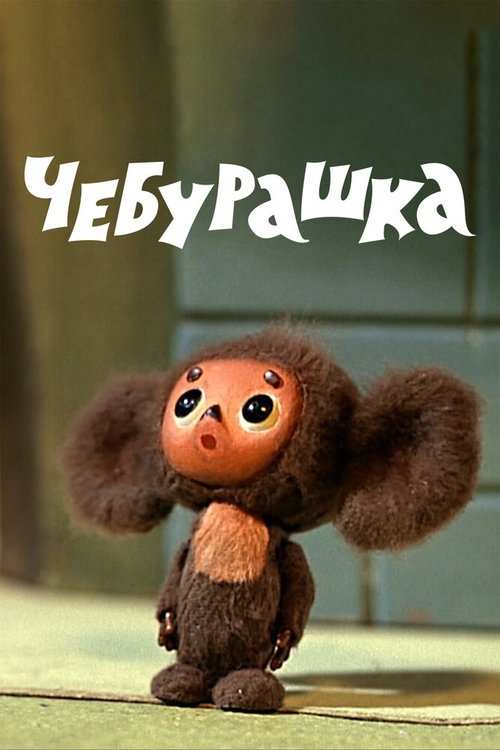
Cheburashka
1971
No user ratings available yet
Representation score: 4.9 out of 10
Representation Score
Fair
1969
Director
Roman Kachanov
Runtime
20 minutes
Average Rating
No ratings yetNew Showbiz Analysis
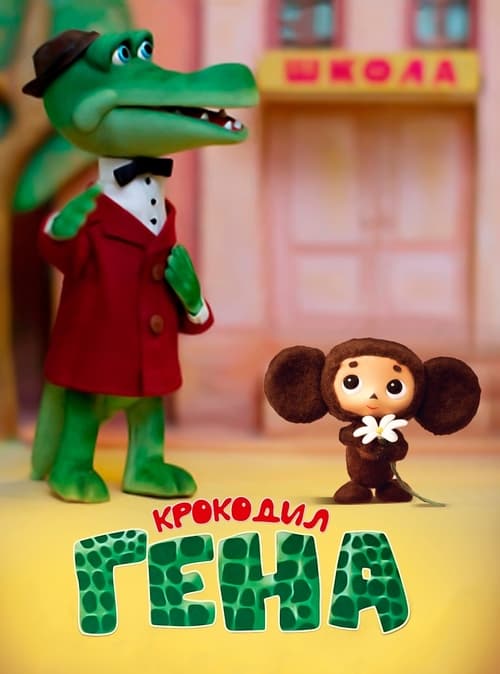
Gena the Crocodile is a humanist animation that prioritizes emotional intelligence and social cohesion. It avoids traditional hero-villain archetypes in favor of exploring loneliness and the formation of community. The film lacks explicit demographic markers or modern identity politics. Instead, it uses anthropomorphic characters to explore the experience of the outsider and the importance of shared social resources. While the score is modest, the work succeeds in portraying empathy and the mitigation of isolation through a gentle, cooperative social order.
Category Breakdown
The film focuses on friendships and social bonds without showing same-sex relationships or non-binary gender identities.
Masculinity is shown through vulnerability and a desire for community rather than dominance. Female characters have distinct roles and separate paths.
The use of animal characters and the 'unknown' Cheburashka avoids human racial stereotypes. This provides a metaphor for the outsider existing outside standardized categories.
The narrative emphasizes collectivist ideals and communal effort over individualism. It highlights social belonging through the creation of a shared 'House of Friends.'
Representation is metaphorical, using Cheburashka’s misfit status as a lens for social alienation. Characters navigate their outsider status with ability to act rather than through pity.
Present on Screen
Limited or Absent
Official Synopsis
First animation about Gena and Cheburashka. Gena the Crocodile works as a zoo animal at an urban zoo. Every evening, he returns home to his lonely apartment. Gena gets very tired of playing chess against himself and decides to find some friends to play with. Animals and people respond to advertisements that he posts all around the city. First, a girl named Galya comes with a homeless puppy, who is then followed by Cheburashka. They decide to build a house for all the lonely citizens of the city, but a mischievous old lady, Shapoklyak, tries to stop them in different ways.
1971
1983

1974
1973
1964
1963
1968
1984
No reviews yet. Be the first to share your thoughts on this movie!
Use the rating form above to leave a star rating and optional review.