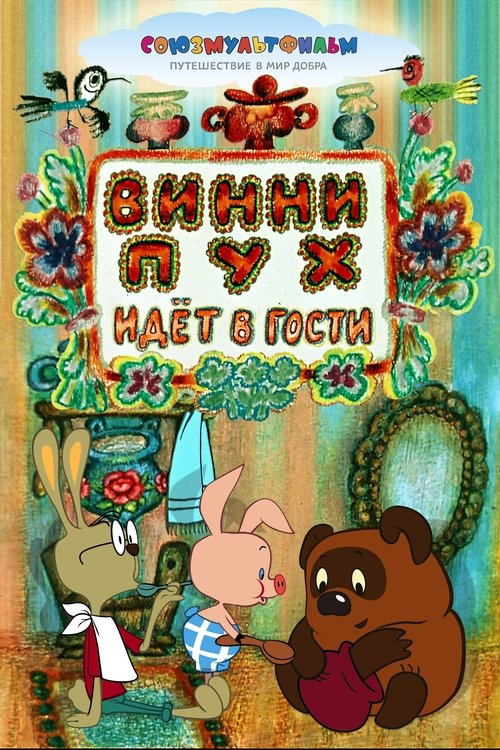
Winnie-the-Pooh Goes Visiting
1971
No user ratings available yet
Representation score: 5.2 out of 10
Representation Score
Good
1969
Director
Fyodor Khitruk
Runtime
10 minutes
Average Rating
No ratings yetNew Showbiz Analysis
Fyodor Khitruk’s animation explores companionship through a minimalist lens, focusing on absurdity and emotional bonds. By removing traditional narrative structures, the film emphasizes character-driven whimsy and vulnerability. The film successfully challenges conventional masculine roles by prioritizing emotional expression and sensitivity. It also presents a unique cultural perspective that values situational ethics and personal whimsy over strict moral codes. However, the reliance on an animal cast limits engagement with human racial or ethnic diversity. Additionally, the lack of diverse character types restricts the scope of representation.
Category Breakdown
The film highlights the close, platonic relationship between Winnie and Piglet, emphasizing emotional intimacy over romantic identities. This approach challenges traditional assumptions about relationships by focusing on friendship and support.
The characters embody a softer masculinity, emphasizing vulnerability and whimsy rather than dominance. This portrayal breaks down traditional gender roles by valuing emotional expression and sensitivity.
The film uses non-human characters to create a universal setting, but the lack of diverse animal types limits the range of representation.
The narrative emphasizes personal whimsy and sensory experiences over adherence to traditional social structures or authority figures.
Characters display traits associated with neurodivergence, such as fixations and social quirks, which are woven into their personalities without being framed as disabilities.
Present on Screen
Limited or Absent
Official Synopsis
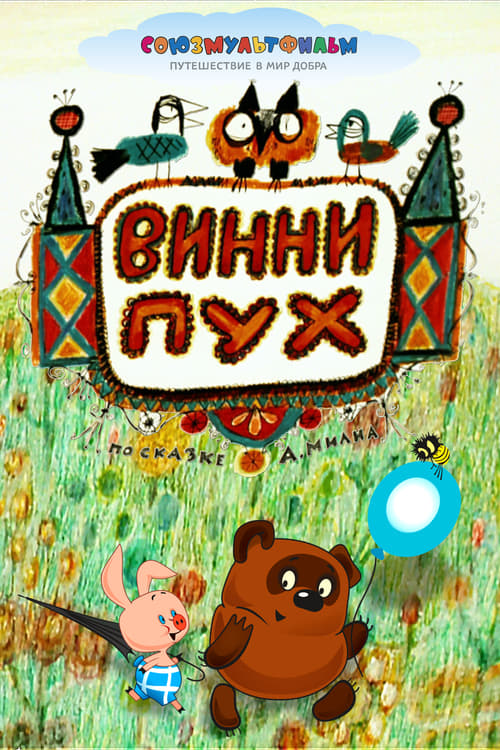
According to Winnie-the-Pooh himself, bears love honey very much. That's why it always runs out very quickly. And you can't do without honey, so Winnie, along with Piglet, sets off for a tall tree with a beehive hanging from it. Winnie fearlessly climbs up to the beehive on a balloon, singing a song about a little cloud.
1971

1977
1973
1940
1964
1989
1971
1970
No reviews yet. Be the first to share your thoughts on this movie!
Use the rating form above to leave a star rating and optional review.