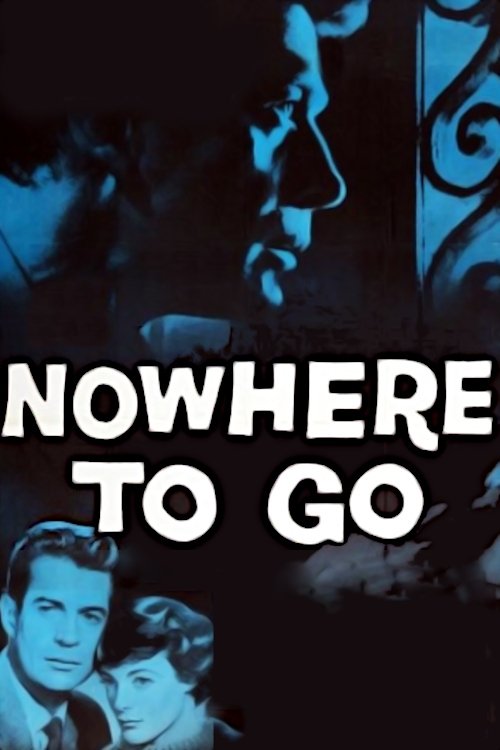
Nowhere to Go
1958
No user ratings available yet
Diversity score: 2.0 out of 10
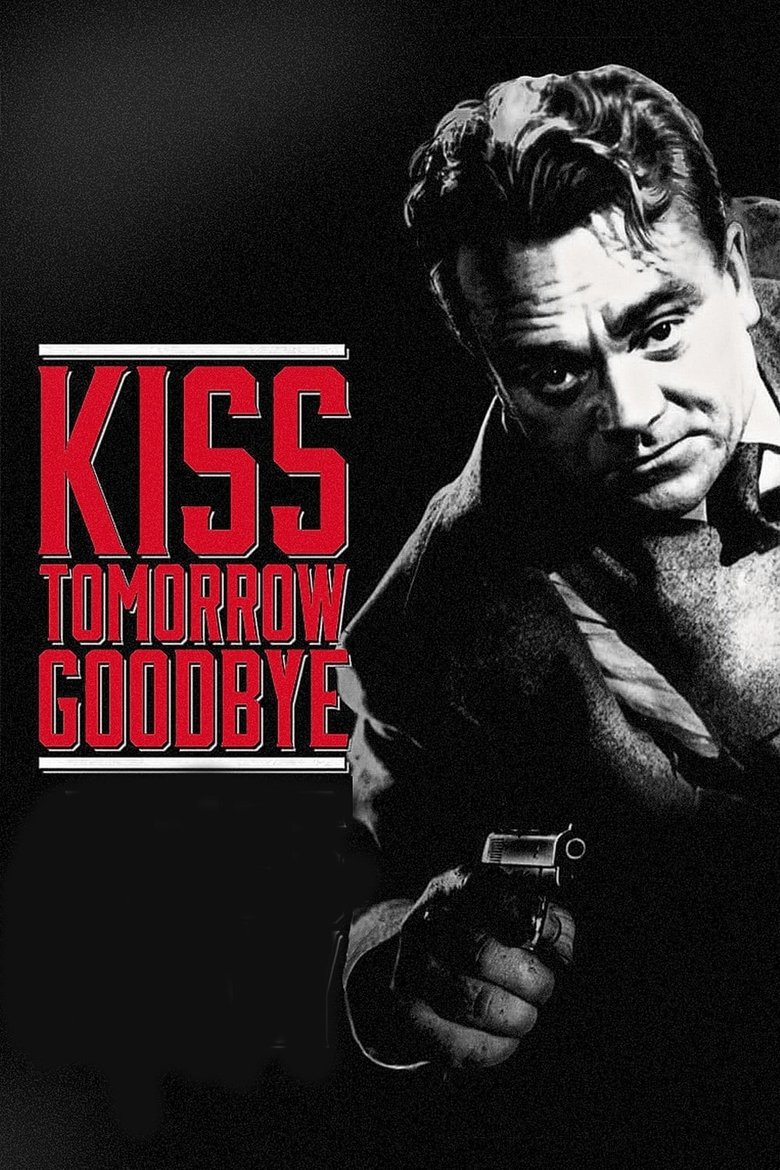
1950
ApprovedDirector
Gordon Douglas
Runtime
103 minutes
Average Rating
No ratings yetSynopsis
Ralph Cotter, a ruthless criminal, escapes violently from a farm prison. Then, he seduces a dead inmate’s sister, gets back quickly into the crime business, faces corrupt local cops who run the city’s underworld and meets a powerful tycoon’s whimsical daughter.
Overall Score
Limited
Category Breakdown
LGBTQ+ Representation
The film lacks any discernible presence of LGBTQ+ characters. Interpersonal dynamics focus entirely on heterosexual attraction and traditional romantic pursuits within the crime genre.
Gender Representation
The female protagonist offers a moderate subversion of mid-century domesticity. By placing her in a high-stakes criminal underworld, she demonstrates agency that challenges the era's standard passive female archetypes.
Racial & Ethnic Diversity
Consistent with 1950s Hollywood noir, the film presents a largely homogeneous cast. There is no evidence of significant racial blending or characters of color with meaningful agency.
Religious & Cultural Diversity
The narrative critiques social institutions by depicting corrupt law enforcement and a predatory underworld. However, it functions primarily as a character-driven drama rather than a systemic critique.
Disability Representation
There are no visible or invisible disabilities portrayed within the primary cast. Characters are defined by criminal agency and socioeconomic status rather than physical or neurodivergent identities.
Strengths
Areas for Improvement
AI Analysis
Kiss Tomorrow Goodbye is a quintessential product of its historical era, adhering to the demographic and social hierarchies of 1950s American cinema. It prioritizes genre-driven storytelling and fatalistic noir archetypes over the representation of marginalized identities. The film finds its strength in its treatment of gender, offering a more nuanced look at female agency than many of its contemporaries. By involving the female lead in the criminal underworld, it disrupts the standard domestic expectations of the time. However, the film fails to provide intersectional complexity. It lacks representation across racial, LGBTQ+, and disability spectrums, functioning instead as a standard crime drama that reinforces the era's prevailing social norms.
1958
1955
1948
1951
1957
1947
1950
1955
1949
1954
1960
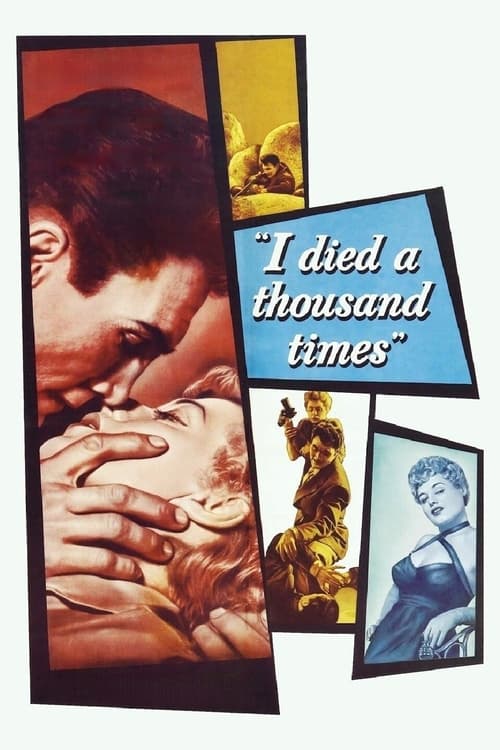
1955
No reviews yet. Be the first to share your thoughts on this movie!
Use the rating form above to leave a star rating and optional review.