
Party Fever
1938
No user ratings available yet
Representation score: 1.3 out of 10
Representation Score
Limited
1943
PassedDirector
Herbert Glazer
Runtime
10 minutes
Average Rating
No ratings yetNew Showbiz Analysis
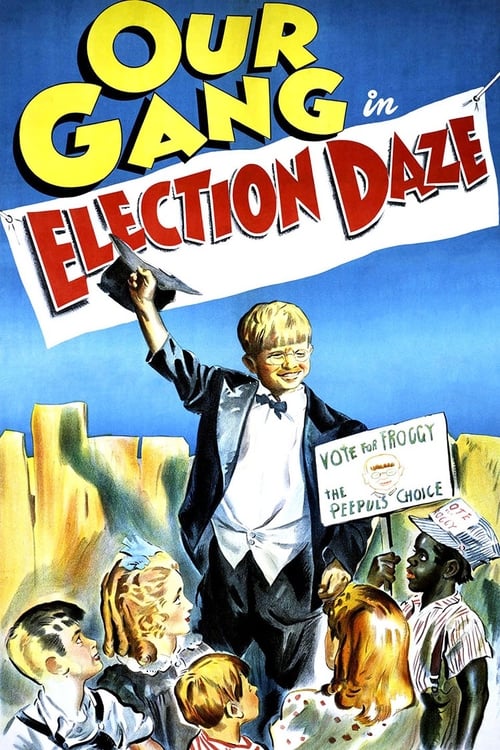
Election Daze operates as a typical mid-century comedy that prioritizes social harmony over social critique. Although the film features characters of color, such as Buckwheat, their roles emphasize traditional moral lessons rather than challenging systemic hierarchies. The narrative heavily relies on established American iconography to resolve conflicts. By using historical figures like Abraham Lincoln to bridge divides, the film promotes a traditionalist view of national unity. Overall, the film lacks complexity in addressing various aspects of identity and social issues. It adheres to standard comedic structures of its time, focusing on a local political struggle within a club setting without addressing broader societal or identity-based nuances.
Category Breakdown
The film does not depict any non-straight or non-cisgender identities or same-sex relationships. The plot revolves around a political rivalry within a club that follows traditional heterosexual norms.
The story focuses on a competitive relationship between Mickey and Froggy. There is no indication of gender roles being challenged or a critique of traditional masculinity.
The film includes a character named Buckwheat, who is of color and provides moral guidance through historical references. His role is important in reinforcing traditional moral lessons.
The film uses Abraham Lincoln as an iconic figure to promote national unity. This approach emphasizes traditional civic values rather than critiquing Western institutions.
There is no information about the depiction of characters with physical or neurodivergent disabilities in the provided material.
Present on Screen
Limited or Absent
Official Synopsis
Mickey and Froggy are candidates running to be president of the Gang's club. When the vote continues to end in a tie, the club winds up split. Buckwheat then reminds everyone of the lessons learned from Abraham Lincoln when America was once divided.
1938
1933
1937
1937
1933
1939
1940
1932
No reviews yet. Be the first to share your thoughts on this movie!
Use the rating form above to leave a star rating and optional review.