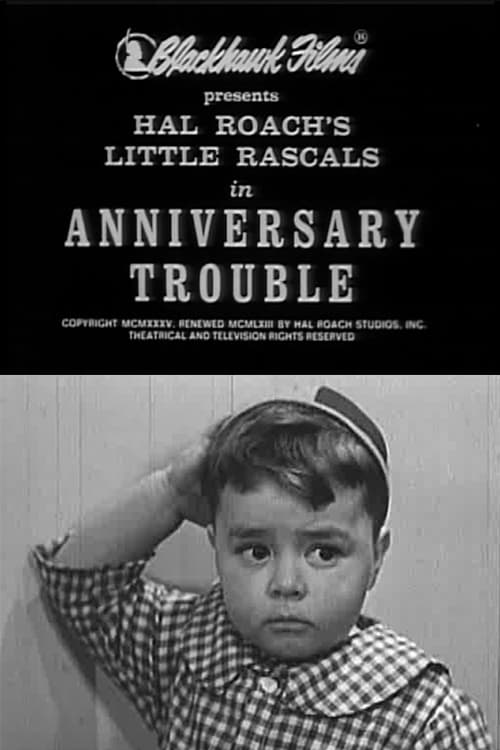
Anniversary Trouble
1935
No user ratings available yet
Representation score: 1.1 out of 10
Representation Score
Minimal
1938
NRDirector
Frank R. Strayer
Runtime
70 minutes
Average Rating
No ratings yetNew Showbiz Analysis
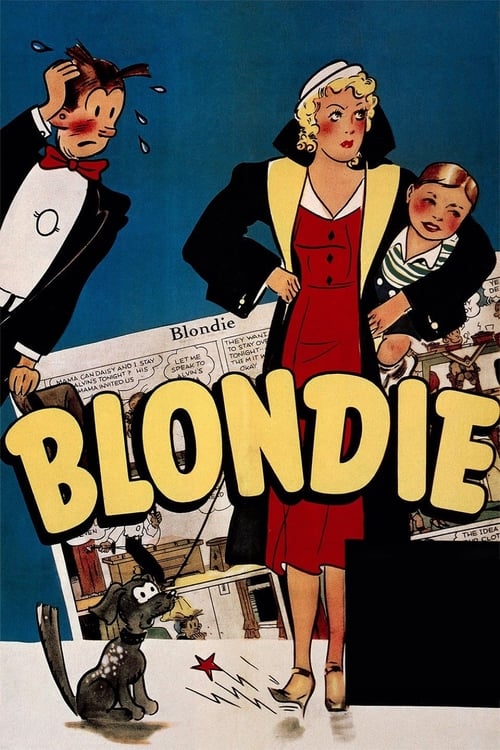
Blondie (1938) is a traditional domestic comedy that centers on the Bumstead marriage, emphasizing the stability of the nuclear family. The film adheres closely to the social hierarchies and genre conventions of 1930s American cinema. It lacks the intention to challenge systemic norms or provide a multi-layered perspective. Ultimately, the film offers a narrow view of domestic life.
Category Breakdown
The film does not include any representation of LGBTQ+ identities or non-cisgender narratives. It focuses on a traditional wedding anniversary, reinforcing the idea that everyone is straight and cisgender.
Gender roles in the film follow the conventions of the time, using male ineptitude for comedic effect. Women are not shown in roles that require superior intellect or physical strength.
The film depicts a homogeneous social environment typical of 1930s Hollywood, with no diverse character arcs or representation of different races.
The movie upholds Western values related to marriage and the nuclear family, emphasizing domestic stability and social standing without challenging these institutions.
There are no characters with visible or invisible disabilities in the film. The narrative does not indicate any roles for individuals with disabilities.
Present on Screen
Limited or Absent
Official Synopsis
Blondie and Dagwood are about to celebrate their fifth wedding anniversary but this happy occasion is marred when the bumbling Dagwood gets himself involved in a scheme that is promising financial ruin for the Bumstead family.
1935

1942
1933

1937
1937
1935
1933
1956
No reviews yet. Be the first to share your thoughts on this movie!
Use the rating form above to leave a star rating and optional review.