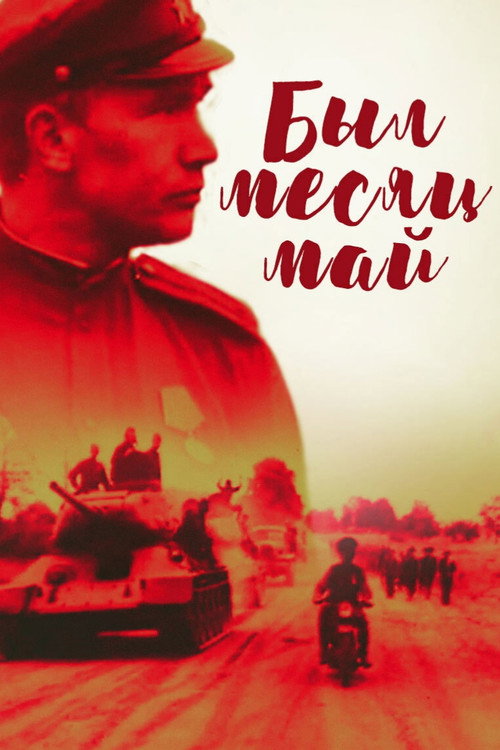
It Was In May
1970
No user ratings available yet
Representation score: 2.8 out of 10
Representation Score
Fair
1975
Director
Pyotr Fomenko
Average Rating
No ratings yetNew Showbiz Analysis
Pyotr Fomenko’s work focuses on the human condition through a poetic lens, yet the film remains constrained by the cinematic conventions of its time. It reflects the geopolitical context of the mid-1970s, prioritizing the gravity of wartime experience over modern multi-layered identity. The film operates within established social structures, emphasizing collective struggle and traditional archetypes. While it explores individual ability to act within systemic structures, it does not diverge from the era's standard narrative regarding gender, orientation, or disability. Ultimately, the film embodies the mid-1970s Soviet tradition, where representation is often a byproduct of geography or a tool for symbolic sacrifice rather than a pursuit of diverse, lived experiences.
Category Breakdown
The film does not include any characters with LGBTQ+ identities or storylines. It follows traditional social norms and interpersonal relationships typical of Soviet war dramas from the 1970s.
Women in the film are likely portrayed through themes of resilience and emotional support. However, the film adheres to traditional gender roles and masculine archetypes common to the war drama genre.
While the cast may represent the multi-ethnic makeup of the USSR, the film likely presents a homogenized image of the heroic soldier. It lacks intentional depth reflecting multiple aspects of identity.
The narrative likely emphasizes collective survival and institutional values over radical secularism. Morality is shaped by the situational demands of war rather than individual perspectives.
Physical injuries are likely used symbolically to highlight the costs of conflict. There is no evidence of neurodivergent representation or characters with disabilities having true ability to act.
Present on Screen
Limited or Absent
1970
1977

1957
1962
1976
1965

1977
1976
No reviews yet. Be the first to share your thoughts on this movie!
Use the rating form above to leave a star rating and optional review.