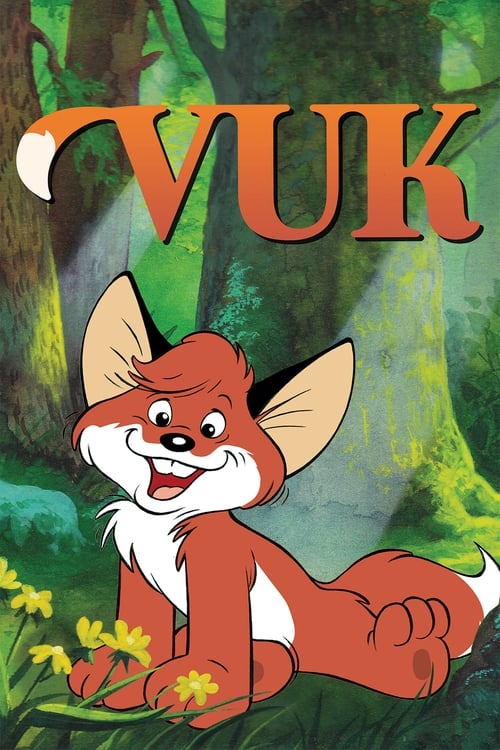
The Little Fox
1981
No user ratings available yet
Diversity score: 4.8 out of 10

1967
Director
Aleksandra Snezhko-Blotskaya
Runtime
30 minutes
Average Rating
No ratings yetSynopsis
A satirical fairy tale about an old tsar Dadon and a golden cockerel who guarded the borders of his kingdom.
Overall Score
Fair
Category Breakdown
LGBTQ+ Representation
The film follows a traditional fable framework featuring anthropomorphic animals and a central monarch. There is no evidence of non-cisnormative identities or same-sex intimacy within the narrative.
Gender Representation
The story uses satire to deconstruct the competence of the ruling class, specifically the Tsar's inability to manage his desires. However, it does not explicitly prioritize female agency or challenge patriarchal structures.
Racial & Ethnic Diversity
Based on Pushkin’s folklore, the film operates within a specific Soviet-era cultural tradition. Character identity is defined by stylized, rhythmic forms rather than human racial markers or Western-centric hierarchies.
Religious & Cultural Diversity
The film excels at critiquing monarchical institutions by framing autocratic authority as a source of chaos. It uses satire to comment on the corruption of leadership and the instability of traditional hierarchies.
Disability Representation
The characters are defined by archetypal roles within a fairy tale setting. There are no characters with visible or invisible disabilities serving as central plot drivers.
Strengths
Areas for Improvement
AI Analysis
Aleksandra Snezhko-Blotskaya’s work is a sophisticated departure from hyper-realistic animation, opting for a stylized, avant-garde visual language. The film functions as a satirical critique of power rather than a vehicle for modern identity politics. While the film lacks explicit LGBTQ+ or racial diversity, it achieves a progressive narrative architecture. It disrupts the fairy tale genre by favoring systemic critique over simple moral instruction, using the folly of the Tsar to dismantle the perceived competence of absolute rule. Ultimately, the film's strength lies in its ability to use folklore to examine the inherent flaws of greed and centralized authority through a rhythmic, non-traditional lens.
1981
1970
1964
1966
1958
1976
1980
1984
1973
1954
1967
2011
No reviews yet. Be the first to share your thoughts on this movie!
Use the rating form above to leave a star rating and optional review.