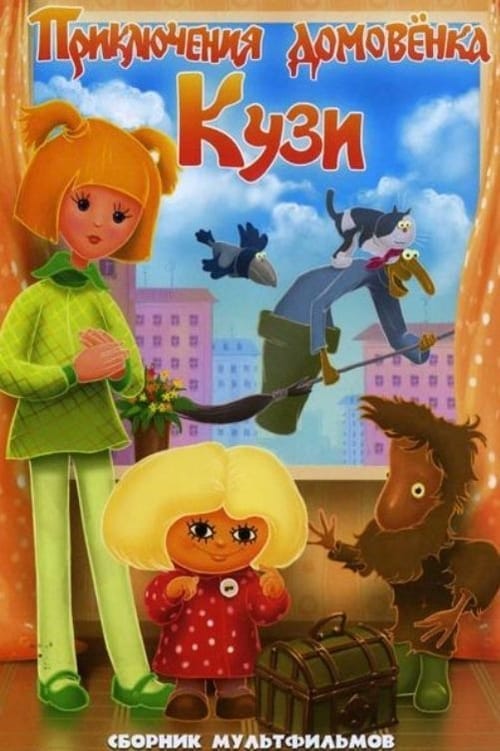
Adventures of Brownie
1985
No user ratings available yet
Representation score: 3.9 out of 10
Representation Score
Minimal
1986
Director
Aida Zyablikova
Runtime
9 minutes
Average Rating
No ratings yetNew Showbiz Analysis
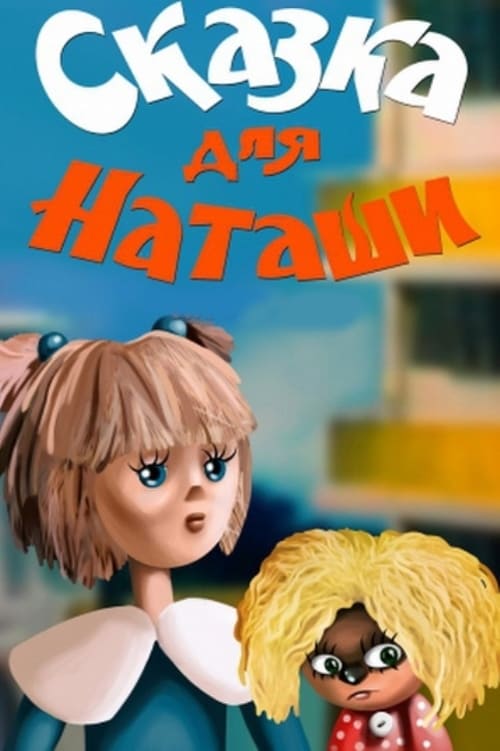
Tale for Natasha is a traditional folkloric animation that relies heavily on established cultural archetypes. While it features a strong female presence in Baba Yaga, the narrative remains rooted in conventional social and mythological structures. The film lacks multi-layered depth, offering little in the way of racial, LGBTQ+, or disability representation. It functions primarily as a vessel for Slavic myth rather than a tool for social deconstruction. Ultimately, the work reinforces the cultural norms of its 1986 Soviet production period, prioritizing folklore over modern diversity standards.
Category Breakdown
The film does not include any LGBTQ+ characters or stories that challenge traditional heterosexual norms.
Baba Yaga is a powerful female character who plays a significant role in driving the story. However, she functions more as a supernatural antagonist than as a subversion of gender roles.
The film reflects the cultural homogeneity of the Soviet era and does not feature actors representing diverse racial or ethnic backgrounds.
The story is centered around established Slavic folklore and traditional myths, operating within a standard cultural framework without challenging traditional institutions.
There is no visible or documented portrayal of physical or neurodivergent disabilities in this work.
Present on Screen
Limited or Absent
Official Synopsis
Baba Yaga didn't tolerate Kuzya's escape, so she infiltrated Natasha's apartment to return him into the woods.
1985

1957
1949
1977
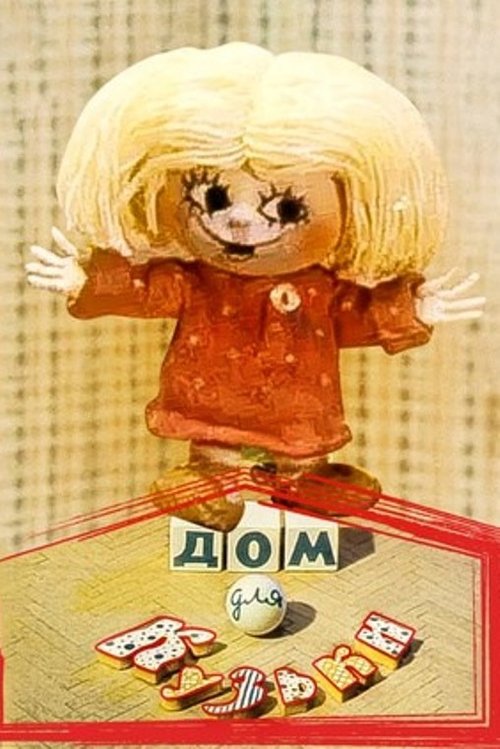
1984
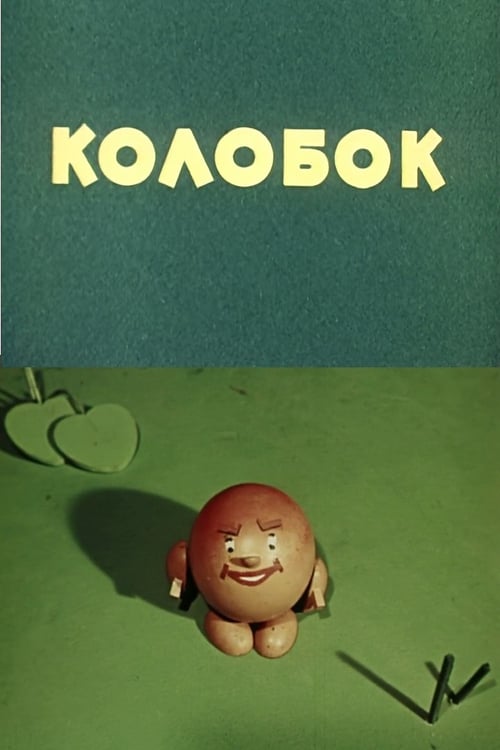
1956
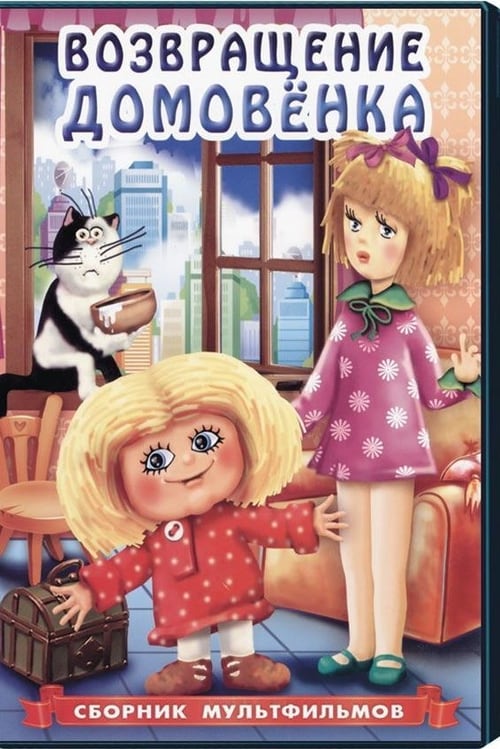
1987
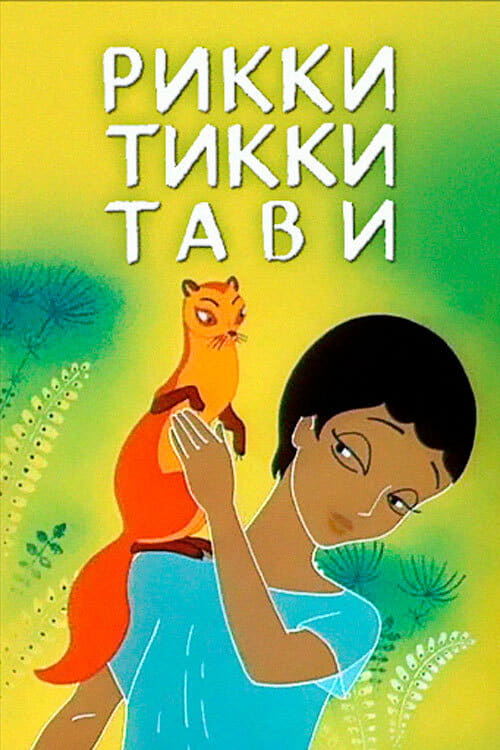
1965
No reviews yet. Be the first to share your thoughts on this movie!
Use the rating form above to leave a star rating and optional review.