Rabbit Test
1978
No user ratings available yet
Diversity score: 5.8 out of 10
1970
RDirector
Michael Sarne
Runtime
94 minutes
Average Rating
No ratings yetSynopsis
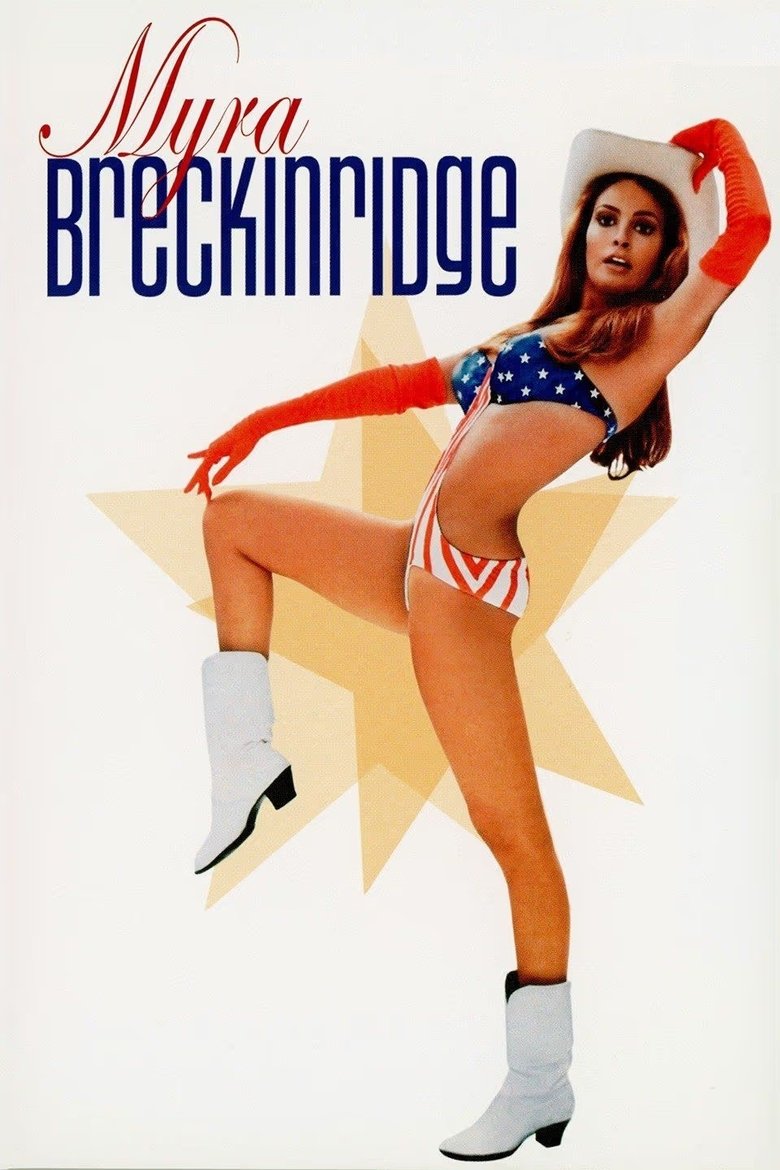
Myron Breckinridge flies to Europe to get a sex-change operation and is transformed into the beautiful Myra. She travels to Hollywood, meets up with her rich Uncle Buck and, claiming to be Myron's widow, demands money. Instead, Buck gives Myra a job in his acting school. There, Myra meets aspiring actor Rusty and his girlfriend, Mary Ann. With Myra as catalyst, the trio begin to outrageously expand their sexual horizons.
Overall Score
Good
Category Breakdown
LGBTQ+ Representation
The film centers on a character undergoing gender transition, placing gender fluidity at its structural core. It actively critiques heteronormativity by blurring traditional sexual boundaries and exploring themes of sexual liberation.
Gender Representation
The protagonist's journey from Myron to Myra subverts biological essentialism by presenting gender as a performative construct. This disruption of traditional hierarchies undermines patriarchal structures through fluid identity.
Racial & Ethnic Diversity
The narrative remains largely homogeneous, focusing on a sexualized urban elite. While avoiding overt stereotypes, the film lacks intersectional racial depth due to its narrow focus on gender politics.
Religious & Cultural Diversity
The film critiques Western social mores by embracing moral relativism and sexual anarchy. It deconstructs traditional concepts of decency and family in favor of individual liberation and anti-establishment sentiments.
Disability Representation
There is little evidence of meaningful or agentic portrayals of physical or neurodivergent disabilities. The preoccupation with sexual politics leaves no room for disability as a central identity marker.
Strengths
Areas for Improvement
AI Analysis
Myra Breckinridge stands as a significant artifact of early queer-coded cinema, prioritizing the deconstruction of the gender binary. Its strength lies in its radical approach to identity, using the protagonist's transition to challenge the stability of masculine and feminine roles. However, the film's scope is narrow. The focus on a decadent, urban sexual revolution results in a lack of racial and intersectional depth. The narrative environment feels homogeneous, prioritizing gender politics over a broader spectrum of human experience. Ultimately, the film is a postmodern exploration of desire. It succeeds in disrupting normative social structures but fails to engage with disability or diverse racial perspectives, making it a specialized rather than universal text.
1978

1980
1978
1977
1967

1979
1974

1967
1964
1968
1968
1972
No reviews yet. Be the first to share your thoughts on this movie!
Use the rating form above to leave a star rating and optional review.