The Pleasure Girls
1965
No user ratings available yet
Representation score: 6.5 out of 10
Representation Score
Fair
1968
RDirector
Michael Sarne
Runtime
108 minutes
Average Rating
No ratings yetNew Showbiz Analysis
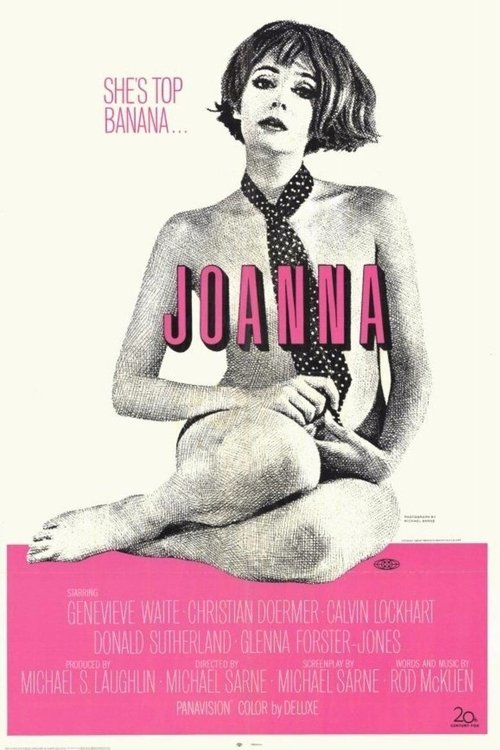
Joanna acts as a transitional cinematic document of the late 1960s. It succeeds in challenging traditional gender roles by centering on a female protagonist's autonomy and subjective experience. However, the film is limited by its lack of racial and LGBTQ+ the way different parts of someone's identity overlap. The cast remains largely homogenous, reflecting a specific white youth subculture while failing to offer broader demographic representation. Ultimately, the film's strength lies in its cultural critique, rejecting traditional social hierarchies and religious values in favor of individual experience, capturing the era's shift toward more permissive social mores.
Category Breakdown
The film focuses on the heterosexual sexual revolution of the late 1960s. It does not include narratives about non-straight identities or non-cisgender identities, and stays within conventional romantic frameworks.
Joanna asserts a significant role in driving the story, navigating the London landscape with sexual autonomy. The story prioritizes her subjective experiences of pleasure and alienation over submissive feminine archetypes.
The cast is predominantly white, reflecting the specific London youth subculture of 1968. The film lacks diverse representation and does not feature non-Anglo-Saxon characters driving the plot.
The narrative deconstructs traditional Western institutions like family and career. It embraces moral relativism and secularism, framing hedonism as a byproduct of a changing cultural atmosphere.
There is no evidence of characters with visible or invisible disabilities. No such figures are utilized as central plot devices or portrayed with specific ability to act.
Present on Screen
Limited or Absent
Official Synopsis
When 17 year old Joanna comes to Swinging London, she meets a host of colourful characters, discovers the pleasures of casual sex and falls in love. That's when things get complicated.
1965
1965
1969
1971
1970
1966
1968
1971
No reviews yet. Be the first to share your thoughts on this movie!
Use the rating form above to leave a star rating and optional review.