La Cage aux Folles
1978
No user ratings available yet
Diversity score: 7.8 out of 10
1980
Director
Édouard Molinaro
Runtime
101 minutes
Average Rating
No ratings yetSynopsis
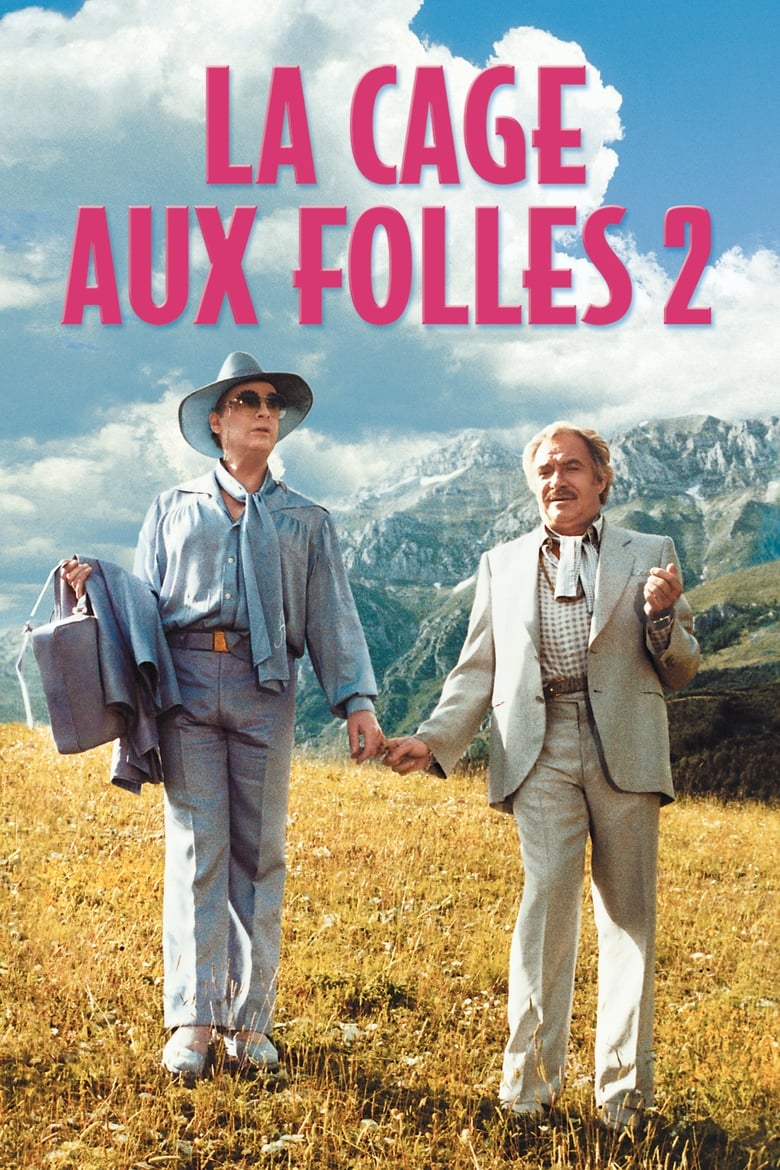
In a move to make his partner, Renato, jealous, the flamboyant Albin waits in a local cafe - dressed as a woman - hoping to be picked up. But Albin gets more than he bargains for when the fly he catches in his web is actually a spy, who uses him as an unwitting courier of secret microfilm. Now on the run from ruthless agents, Albin and Renato flee to Italy where they attempt to hide out on a farm, with Albin posing as Renato's wife. Can Albin escape the deadly pursuit of these relentless spies or does he have to sustain this charade - as a woman - forever?
Overall Score
Good
Category Breakdown
LGBTQ+ Representation
The film centers its entire narrative on a queer axis, making the romantic lives of Georges and Alcestes the primary focus. Drag and gender performance serve as essential tools for navigating social identity and space.
Gender Representation
Traditional hierarchies are disrupted through Alcestes’ use of feminine personas to navigate social crises. This portrays gender roles as performative rather than inherent, effectively undermining patriarchal norms.
Racial & Ethnic Diversity
The cast remains relatively homogeneous, reflecting a specific socioeconomic stratum in Saint-Tropez. While lacking racial intersectionality, the film avoids harmful stereotypes by focusing on class distinctions.
Religious & Cultural Diversity
The story critiques rigid social structures by pitting a liberated lifestyle against conservative, heteronormative expectations. It portrays traditionalist institutions as obstacles to individual authenticity and social evolution.
Disability Representation
There are no prominent depictions of physical or neurodivergent disabilities that impact character arcs or drive the plot.
Strengths
Areas for Improvement
AI Analysis
La Cage aux Folles II excels by placing a queer partnership at the heart of its domestic and romantic architecture. Rather than treating orientation as a subplot, the film uses gender performance to deconstruct the rigidity of the binary and challenge heteronormative expectations. The film's strength lies in its ability to critique conservative social institutions through a lens of social permissiveness. By framing the conflict as a clash between authenticity and tradition, it promotes a more fluid approach to kinship. However, the film is limited by a lack of racial intersectionality. The narrative remains focused on a specific, homogeneous socioeconomic group, which restricts the breadth of its cultural representation.
1978
2011
1985
1991

2018

1999
2004

1987

1987
2014
1973

1959
No reviews yet. Be the first to share your thoughts on this movie!
Use the rating form above to leave a star rating and optional review.