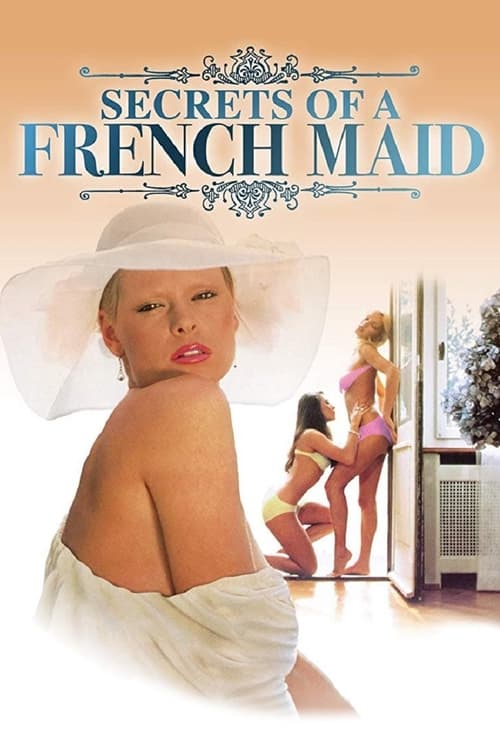
Secrets of a French Maid
1980
No user ratings available yet
Representation score: 4.3 out of 10

Representation Score
Fair
1968
Director
Erwin C. Dietrich
Runtime
85 minutes
Average Rating
No ratings yetNew Showbiz Analysis
The film stands out for its progressive treatment of LGBTQ+ identities during the late 1960s. By making lesbian identity the core of the plot, it avoids the era's tendency to marginalize such identities. However, the film's impact is limited by its narrow focus. It does not offer diverse racial or ethnic representation, nor does it address disabilities or broader systemic issues. Ultimately, while the film challenges traditional gender hierarchies and straight-centered expectations, its limited scope prevents a higher diversity score.
Category Breakdown
The film focuses on the romantic and sexual relationships between Florentine and Juliet. Their lesbian identities are central to their character development, challenging the typical heterosexual expectations of 1960s comedies.
Female desire is the main driver of the plot. The protagonists take active roles that defy traditional courtship, even though Madame Yanne's character retains some traditional domestic duties.
The story centers on interpersonal relationships within a specific social group. There is no indication of a non-white or non-Anglo-Saxon majority cast.
The film questions 1968 social norms by showing lifestyles that deviate from conventional marriage models. It provides a mild critique of traditional structures without addressing broader political issues.
There is no mention of physical or neurodevelopmental disabilities among the characters.
Present on Screen
Limited or Absent
Official Synopsis
Young widow Madame Yanne takes care of her pretty nieces Florentine and Juliet, who are currently living out their lesbian obsessions and are currently more engaged with each other than turning their heads around the lusty male world.
1980

1995
1971

1978
1983

1969

1982

1969
No reviews yet. Be the first to share your thoughts on this movie!
Use the rating form above to leave a star rating and optional review.