
Let It All Hang Out
1969
No user ratings available yet
Representation score: 4.5 out of 10
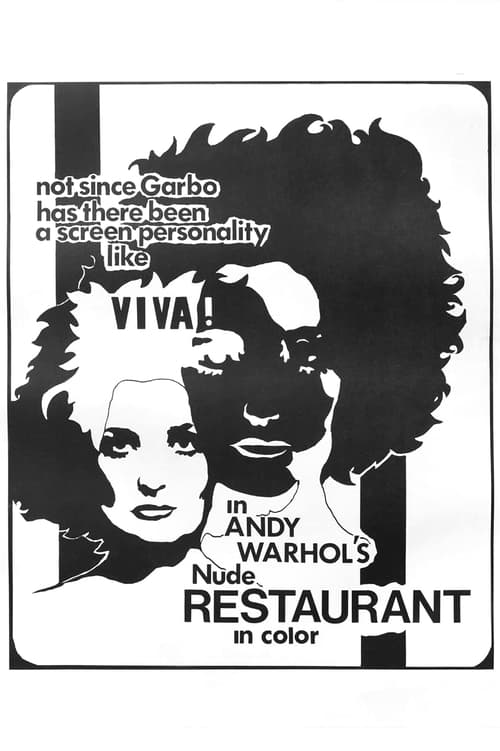
Representation Score
Good
1967
NRDirector
Andy Warhol
Runtime
100 minutes
Average Rating
No ratings yetNew Showbiz Analysis
Andy Warhol’s experimental approach breaks traditional cinematic structures by emphasizing spectacle over narrative. The film offers a decentralized viewpoint, focusing on the presence of underrepresented subcultures. By replacing structured storytelling with an observational lens, it critiques social institutions and gender hierarchies. Despite the lack of detailed character development, the film remains a significant example of cultural subversion through its rejection of mainstream norms.
Category Breakdown
The film captures the queer subculture of the 1960s. It focuses on non-traditional relationships and bodies, showcasing identities from the Warhol Factory scene.
By showing subjects nearly nude, the film removes social markers of status. This reduces traditional power dynamics and challenges the usual portrayal of masculine leadership.
The diverse cast reflects the multicultural makeup of 1960s New York. Though character development is limited, the film avoids the typical homogeneity of the era's cinema.
The work challenges Western social norms by repurposing a restaurant setting. It questions capitalist ideas of productivity and social rituals.
Characters with disabilities are not used as plot devices or mocked in the film.
Present on Screen
Limited or Absent
Official Synopsis
At a New York City restaurant, the patrons are men, nude but for a G-string, waited on by one woman, also clad in a G-string and a G-bestringed waiter.
1969

1967
1962

1974

1959
1969
1968
1969
No reviews yet. Be the first to share your thoughts on this movie!
Use the rating form above to leave a star rating and optional review.