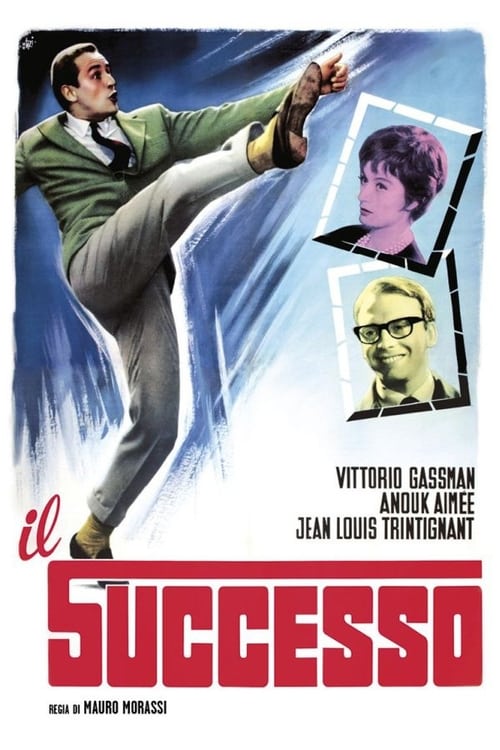
Il successo
1963
No user ratings available yet
Representation score: 2.5 out of 10
Representation Score
Fair
1963
Director
Vittorio De Sica
Runtime
89 minutes
Average Rating
No ratings yetNew Showbiz Analysis
Vittorio De Sica uses social satire to critique the moral decay caused by Italy's rapid economic expansion. The film prioritizes socio-economic commentary over identity-based representation, focusing on how market forces destabilize individual integrity. While the film lacks demographic diversity, it challenges traditional clichés. The protagonist is not a stable leader but a man compromised by debt, and the pursuit of luxury is framed as a dehumanizing force. Ultimately, the work functions as a cynical deconstruction of capitalist aspirations rather than a study of diverse social identities.
Category Breakdown
The film does not include explicit LGBTQ+ characters or stories. It centers on the traditional family unit and the financial pressures affecting it.
The story follows a patriarchal structure where the husband's indecision and debt drive the plot. The wife acts as a disruptive force through her material desires.
Reflecting the demographic homogeneity of 1950s Italy, the film focuses on internal class struggles. There is no evidence of non-white or non-Anglo-Saxon casting.
The film offers a sharp critique of Western capitalist expansion. It portrays the pursuit of consumerism as a corrupting influence that breaks down traditional family stability.
The narrative uses a medical procedure as a metaphor for economic desperation. It does not seem to explore the lived experiences of neurodivergence or physical disability.
Present on Screen
Limited or Absent
Official Synopsis
Sweet-sour comedy on Italy's 1950s rage to get rich as fast as possible! The businessman wants to satisfy his wife's craving for luxury and a "respectable life" so he becomes heavily indebted. In desperation he agrees to sell a precious part of his body for a large sum of money. But just before the crucial operation he panics...
1963
1972
1960
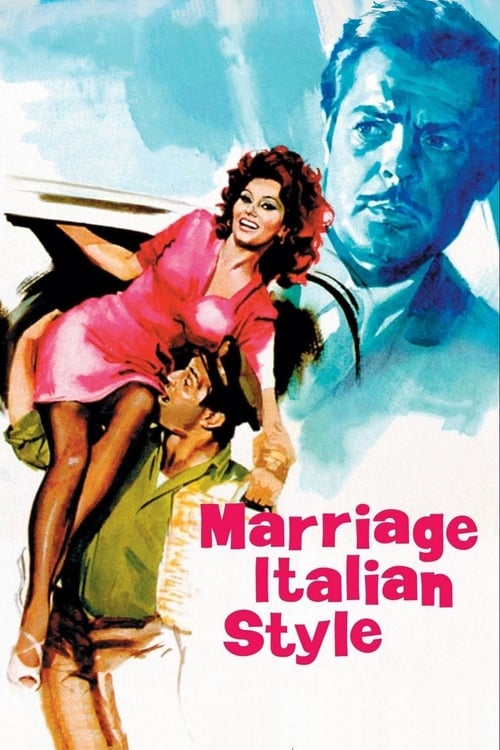
1964
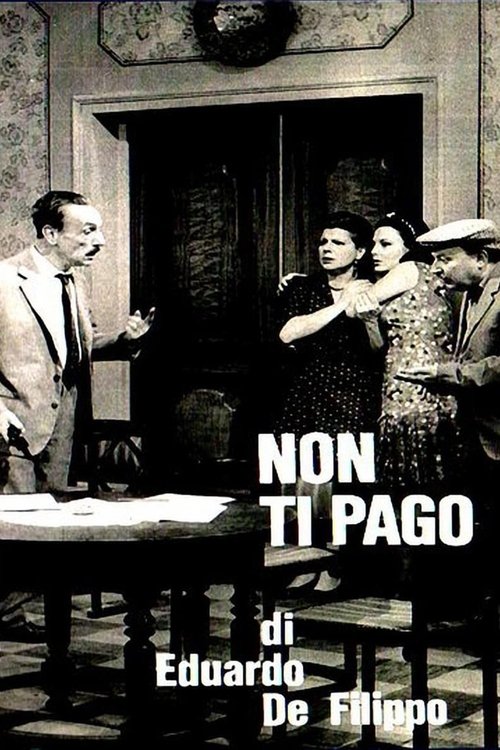
1964
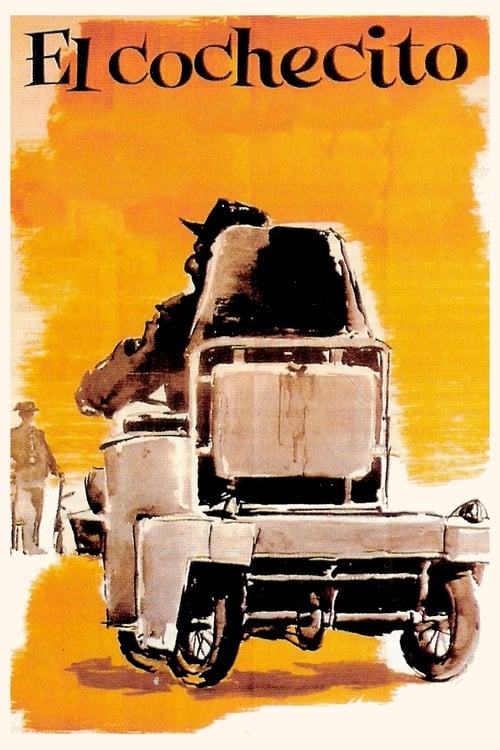
1960
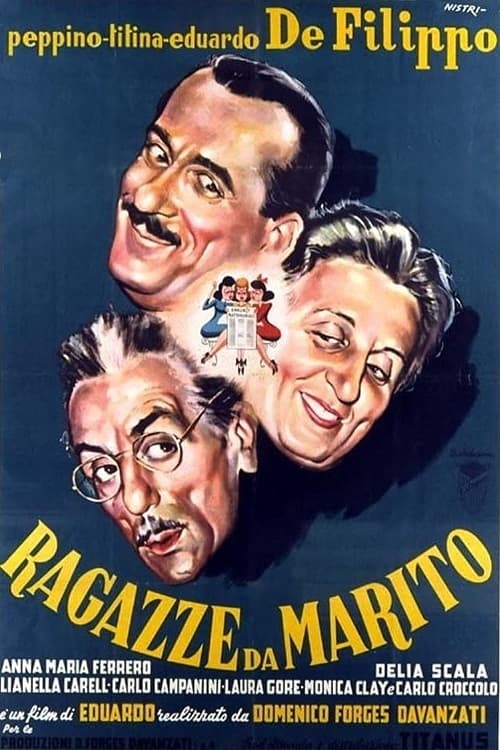
1952
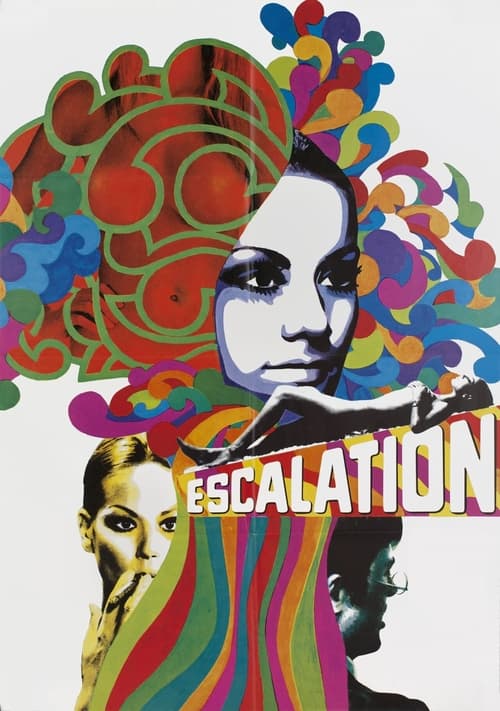
1968
No reviews yet. Be the first to share your thoughts on this movie!
Use the rating form above to leave a star rating and optional review.