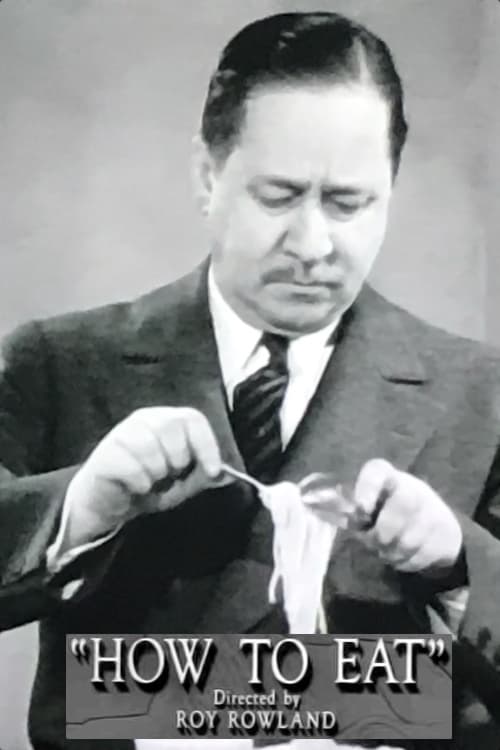
How to Eat
1939
No user ratings available yet
Diversity score: 2.0 out of 10
No Poster Available
1908
Director
Romeo Bosetti
Runtime
7 minutes
Average Rating
No ratings yetSynopsis
The distressing plight of a young man who, dissatisfied with the food his wife serves him, eats horse meat, develops various equine mannerisms, and eventually lands in the hospital.
Overall Score
Limited
Category Breakdown
LGBTQ+ Representation
The film lacks any documented evidence of non-cisnormative identities. The narrative focuses on a traditional marital relationship centered on a domestic dispute.
Gender Representation
Gender roles follow traditional domestic patterns, featuring a wife providing food and a husband reacting to it. The protagonist's physical decline serves as slapstick farce rather than a challenge to gender hierarchies.
Racial & Ethnic Diversity
The film reflects the homogeneous casting norms typical of early 1900s European cinema. There is no indication of diverse casting or non-Anglo-Saxon characters.
Religious & Cultural Diversity
The story centers on a singular, absurd domestic conflict within a traditional family unit. It does not engage with broader secularist or anti-institutional themes.
Disability Representation
The protagonist's equine mannerisms and hospitalization depict physical and behavioral dysfunction. These elements function as comedic devices rather than nuanced portrayals of disability or neurodivergence.
Strengths
Areas for Improvement
AI Analysis
This 1908 comedy is a product of its era, relying heavily on slapstick tropes and conventional social structures. The narrative is driven by a singular, absurd premise regarding food and physical transformation rather than any intentional social critique. The film lacks intersectional depth, presenting a homogeneous view of domestic life. While the protagonist's loss of stability provides comedic value, it does not offer meaningful representation for marginalized groups. Ultimately, the work operates within the limited creative and social frameworks of early silent cinema, prioritizing physical farce over structural or systemic complexity.
1939
1971

1915
1904

1918
1976
1943
1905
2002

1914
1914

1915
No reviews yet. Be the first to share your thoughts on this movie!
Use the rating form above to leave a star rating and optional review.