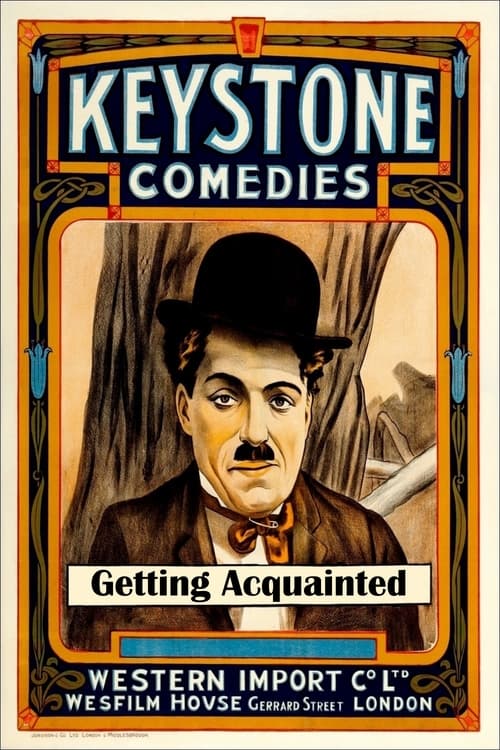
Getting Acquainted
1914
No user ratings available yet
Diversity score: 1.3 out of 10
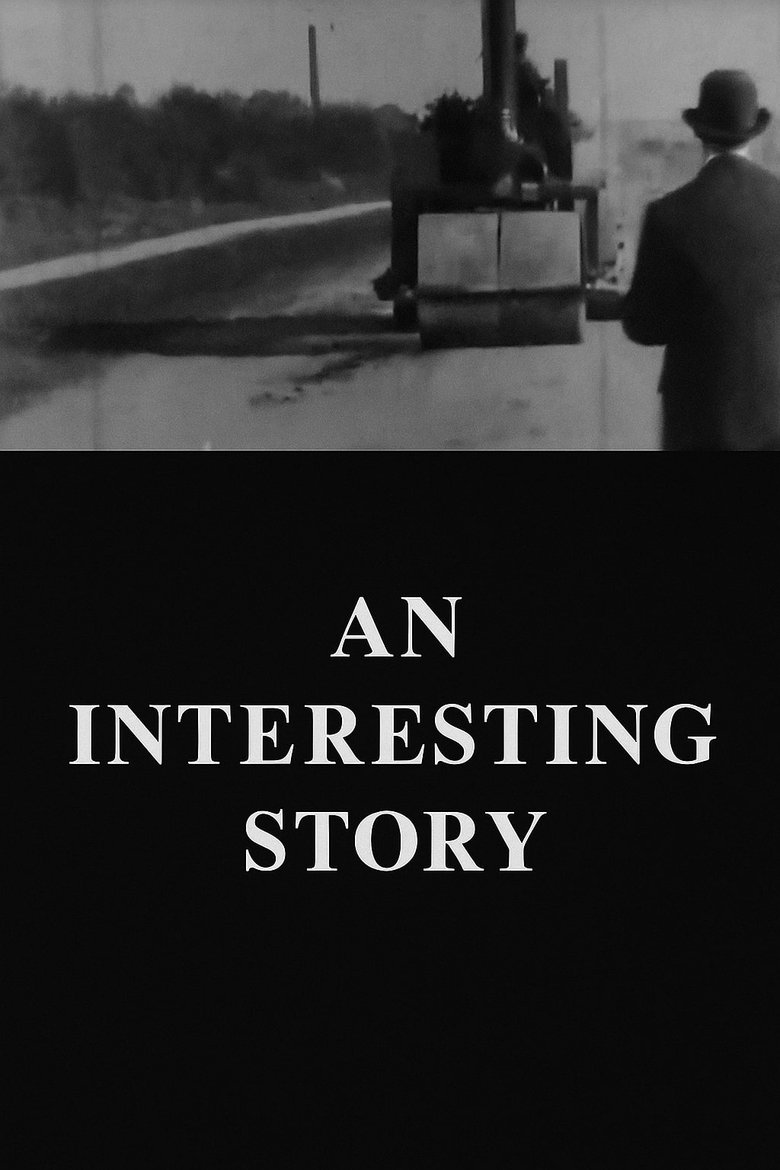
1904
Not RatedDirector
James Williamson
Runtime
4 minutes
Average Rating
No ratings yetSynopsis
The adventures of an inattentive man who can't look away from his book.
Overall Score
Minimal
Category Breakdown
LGBTQ+ Representation
The film lacks any evidence of LGBTQ+ characters or narratives. It focuses entirely on a singular comedic premise regarding an individual's distraction.
Gender Representation
The narrative centers on a male protagonist defined by his inattentiveness. It does not actively subvert or challenge traditional gender hierarchies.
Racial & Ethnic Diversity
Reflecting the homogeneous casting typical of the early 1900s British film industry, there is no evidence of racial blending or non-white majority casting.
Religious & Cultural Diversity
This localized comedic vignette adheres to standard slapstick traditions. It avoids engagement with complex themes like secularism or critiques of Western institutions.
Disability Representation
The protagonist's inattentiveness serves as a comedic device rather than a nuanced exploration of neurodivergence. Behavioral traits are used primarily to drive physical comedy.
Strengths
Areas for Improvement
AI Analysis
This 1904 silent short is a foundational piece of slapstick comedy that prioritizes situational irony over social commentary. The film functions within the homogeneous frameworks of early 20th-century British cinema, focusing on a singular, distracted male character. Because the work predates modern sociological frameworks, it lacks the narrative complexity required for intersectional representation. The storytelling relies on physical humor and character tropes rather than the disruption of cultural or social hierarchies. Ultimately, the film is a product of its era, utilizing character traits as mere catalysts for comedy rather than exploring identity or systemic diversity.
1914
1900

1915

1923
1914
1948
1919
1915
1915
1918
1927
1908
No reviews yet. Be the first to share your thoughts on this movie!
Use the rating form above to leave a star rating and optional review.