Mabel, Fatty and the Law
1915
No user ratings available yet
Diversity score: 1.8 out of 10

1915
NRDirector
Roscoe Arbuckle
Runtime
13 minutes
Average Rating
No ratings yetSynopsis
A henpecked husband's innocent friendship with a married woman leads to chaos.
Overall Score
Minimal
Category Breakdown
LGBTQ+ Representation
The film contains no depictions of non-cisnormative identities. Interpersonal dynamics remain strictly within traditional heteronormative social structures.
Gender Representation
The narrative utilizes the 'henpecked husband' trope to subvert masculine dominance through comedy. However, it relies on established gendered archetypes rather than deconstructing patriarchal structures.
Racial & Ethnic Diversity
The cast reflects the homogeneous demographic standards of the early 1910s. There is no evidence of racial blending or characters of color included to disrupt Anglo-centric norms.
Religious & Cultural Diversity
The setting focuses on domesticity and working-class labor. The humor stems from situational chaos rather than critiques of Western institutions or religious morality.
Disability Representation
Physical slapstick occasionally uses bodily clumsiness as a comedic device. No characters with specific, identifiable disabilities serve as central plot devices or targets of mockery.
Strengths
Areas for Improvement
AI Analysis
Mabel and Fatty's Wash Day is a foundational slapstick comedy that prioritizes physical humor over social commentary. The film functions as a product of its era, reinforcing the demographic and social hierarchies of 1915 rather than challenging them. The narrative relies on traditional archetypes, such as the overwhelmed husband, to drive its comedic engine. While these tropes offer minor subversions of dominance, they do not represent a broader engagement with progressive or intersectional values. Ultimately, the film lacks intentionality regarding diversity. It focuses on the mechanical rhythms of silent comedy within a narrow, homogeneous framework that reflects the period's prevailing social norms.
1915
1915
1915
1915
1915

1915
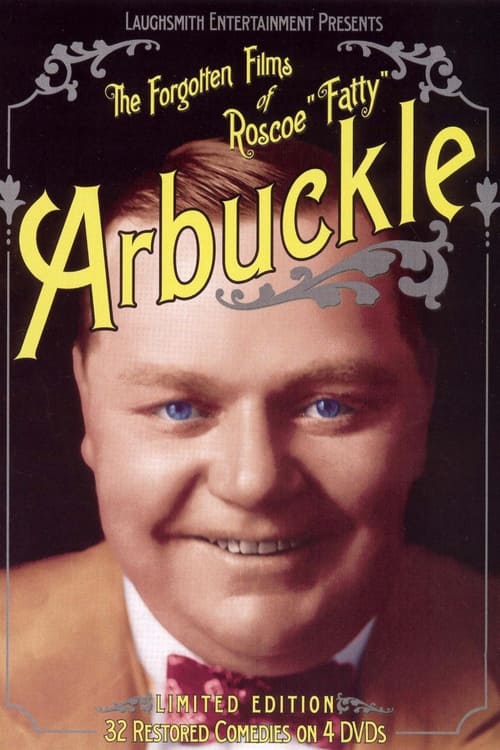
1915
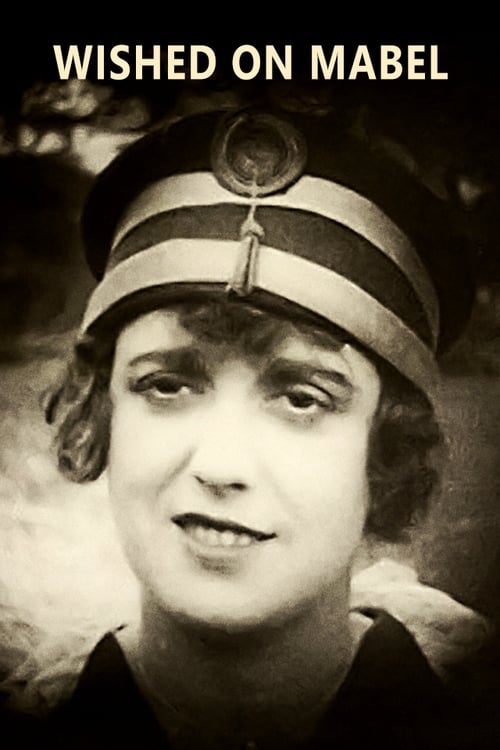
1915
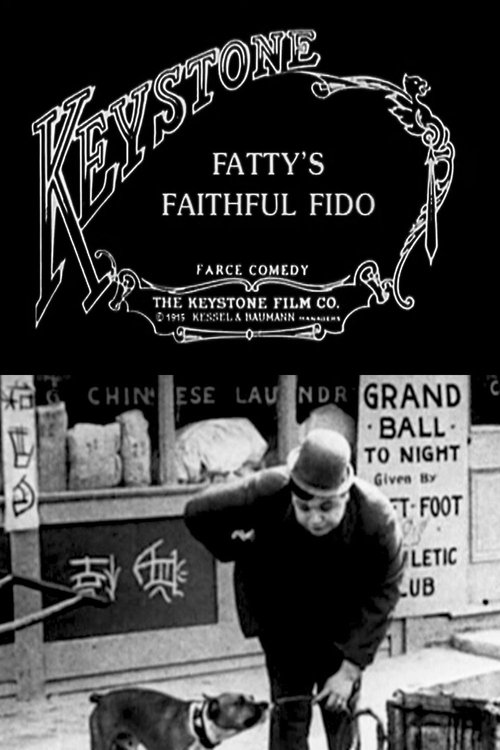
1915
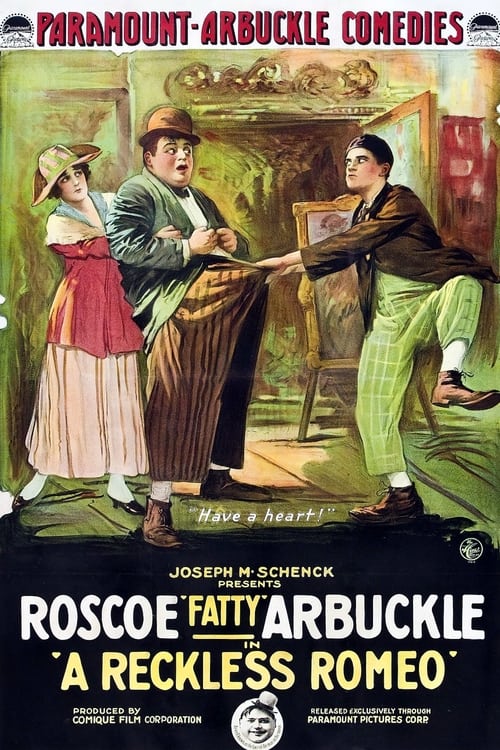
1917
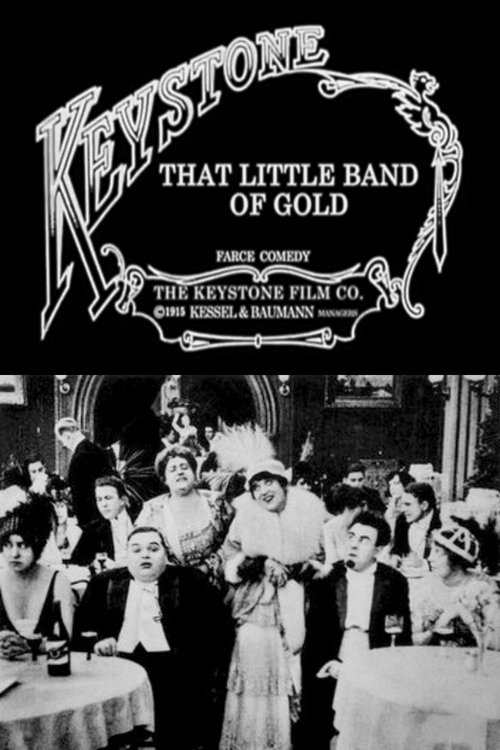
1915
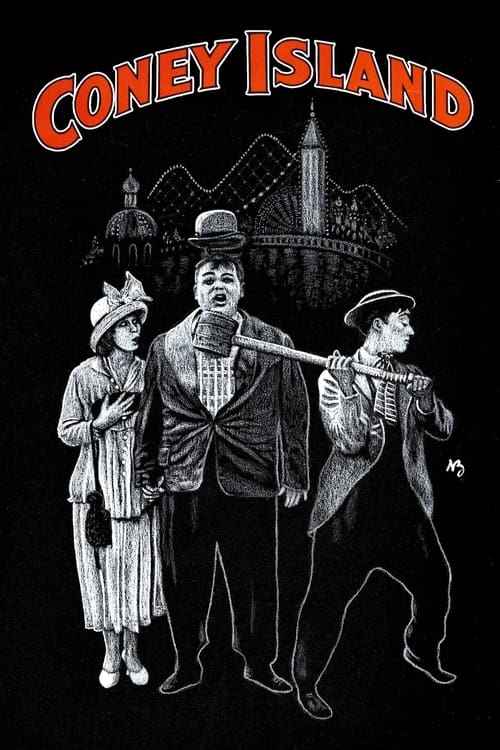
1917
No reviews yet. Be the first to share your thoughts on this movie!
Use the rating form above to leave a star rating and optional review.