How to Read
1938
No user ratings available yet
Diversity score: 1.6 out of 10
1939
ApprovedDirector
Roy Rowland
Runtime
9 minutes
Average Rating
No ratings yetSynopsis
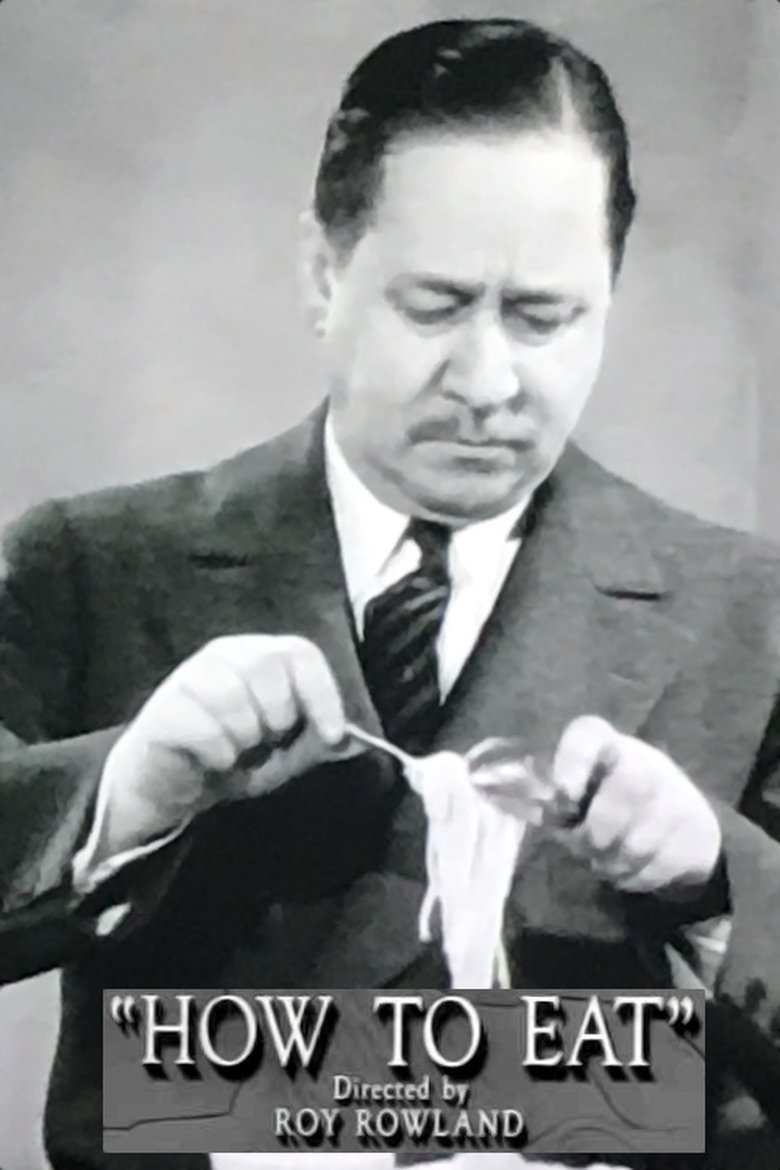
Humorist Robert Benchley discusses the issue of food and how different situations can affect one's ability to consume and digest food, using his stock everyman and slightly bumbling character Joe Doakes to dramatize such situations. Situations that can impede digestion include receiving bad news resulting in stress, being in love, and feeling scared. Snacking or nibbling between meals can ruins one's appetite at meal time. Having the correct posture while eating is important for digestion; finding the right posture can be difficult in certain circumstances, such as being on a picnic or eating in bed (specifically for men when using trays). Sharing tables with staring strangers may also impede digestion. And it's difficult to digest food when one can't get any of it.
Overall Score
Limited
Category Breakdown
LGBTQ+ Representation
The film lacks any representation of non-cisnormative identities. It focuses entirely on universal physiological experiences through a singular persona.
Gender Representation
The narrative centers on a male 'everyman' archetype. While it mentions being in love, it offers no engagement with gendered agency or power dynamics.
Racial & Ethnic Diversity
The content reflects the homogeneous casting norms of 1939. There is no indication of a diverse cast or non-Anglo-Saxon perspectives.
Religious & Cultural Diversity
The comedy prioritizes social etiquette and dining manners. It does not engage with systemic critiques or challenge established cultural norms.
Disability Representation
Psychological stressors like fear and stress are used as comedic tropes. There is no nuanced portrayal of neurodivergence or chronic illness.
Strengths
Areas for Improvement
AI Analysis
How to Eat is a period-specific comedic sketch that operates within a traditionalist framework. It prioritizes observational humor regarding digestion and social etiquette over any meaningful engagement with identity. The film relies on a singular, conventional comedic perspective. By focusing on the universal biological functions of the 'everyman,' it avoids the narrative complexity required to address intersectional identities or social hierarchies. Ultimately, the work reflects the limited social scope of 1939 studio productions, offering a narrow view of the human experience through a lens of mid-century conformity.
1938
1938
1908
1941

1934
1943
1934
1935
1953
1953
1929
1941
No reviews yet. Be the first to share your thoughts on this movie!
Use the rating form above to leave a star rating and optional review.