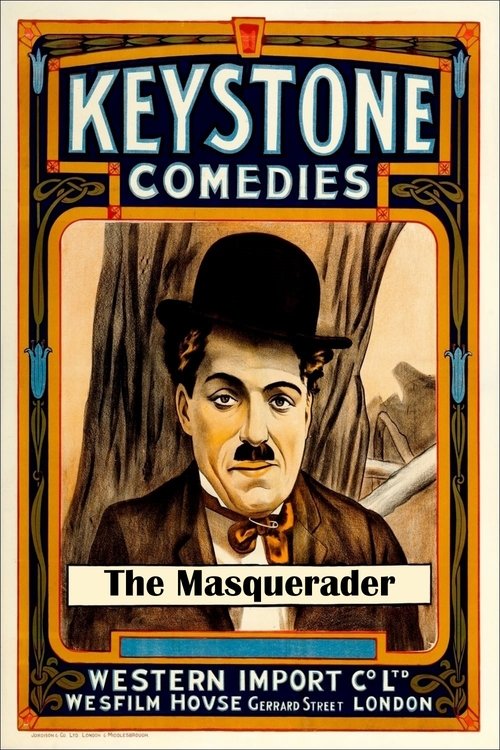
The Masquerader
1914
No user ratings available yet
Representation score: 2.6 out of 10
Representation Score
Minimal
1914
NRDirector
Charlie Chaplin
Runtime
13 minutes
Average Rating
No ratings yetNew Showbiz Analysis
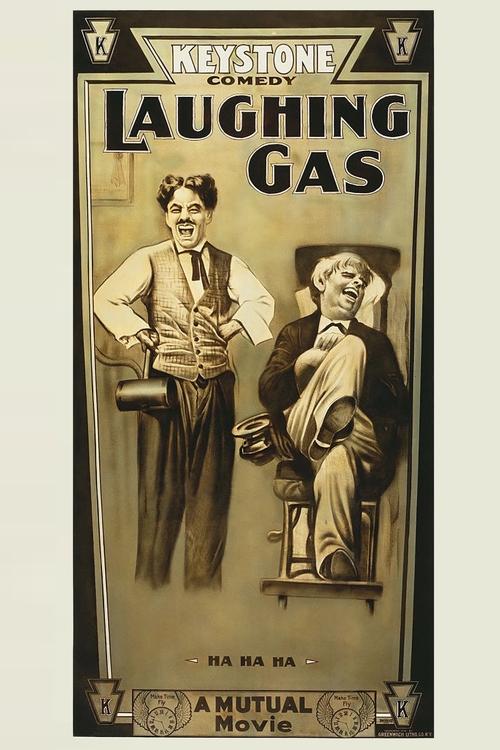
Laughing Gas is a classic example of early cinema that prioritizes physical humor over complex social or identity-based narratives. It operates within the traditional constraints of the 1914 slapstick genre. The film does not aim to challenge established social hierarchies or provide meaningful representation of diverse identities. Instead, its narrative structure revolves around situational irony and physical comedy. Overall, the film reflects the era's reliance on physical humor and homogeneous casting, offering limited opportunities for diverse perspectives or character development.
Category Breakdown
There are no LGBTQ+ characters or storylines in the film. The movie focuses on physical comedy and chaos in a clinical setting.
The story centers around male characters, particularly Chaplin, the dentist, and patients. It lacks meaningful roles for women or challenges to traditional gender roles.
The film features a predominantly white cast, typical of early 20th-century American slapstick. There are no non-white actors or race-bent casting.
The film emphasizes situational humor over ideological messages. Professional misconduct is treated as a joke rather than a critique of systemic issues.
Characters experience altered states of consciousness due to anesthesia, but these are used for comedic effect rather than nuanced portrayal.
Present on Screen
Limited or Absent
Official Synopsis
Although only a dental assistant, Charlie pretends to be the dentist. After receiving too much anesthesia, a patient can't stop laughing, so Charlie knocks him out with a club.
1914
1926

1914

1923
1916
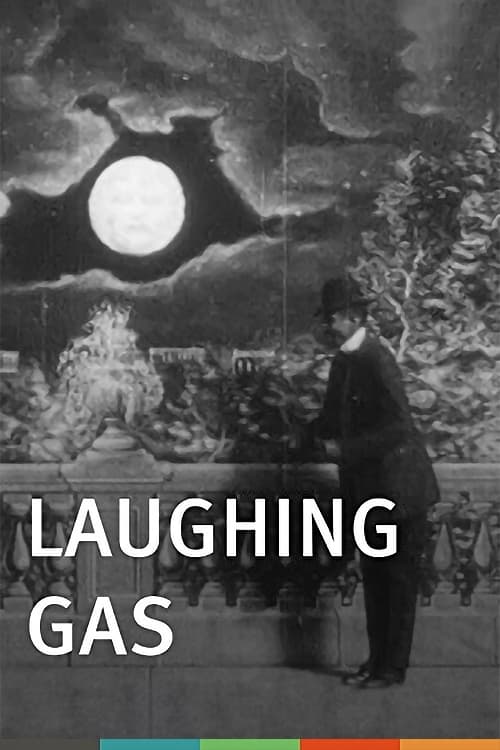
1907
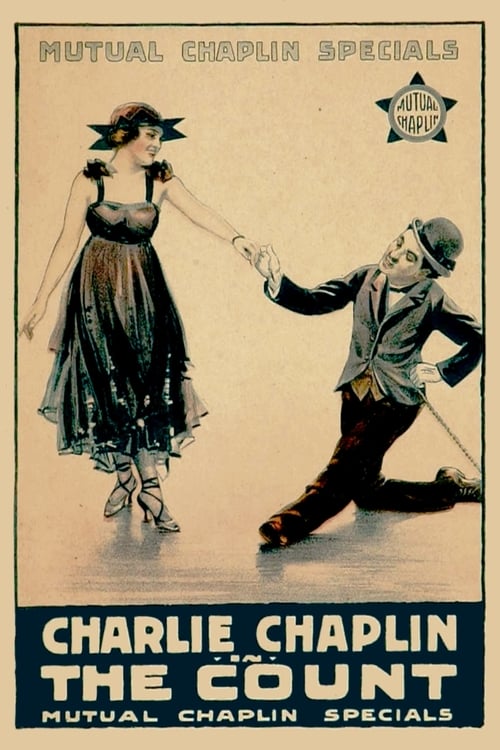
1916
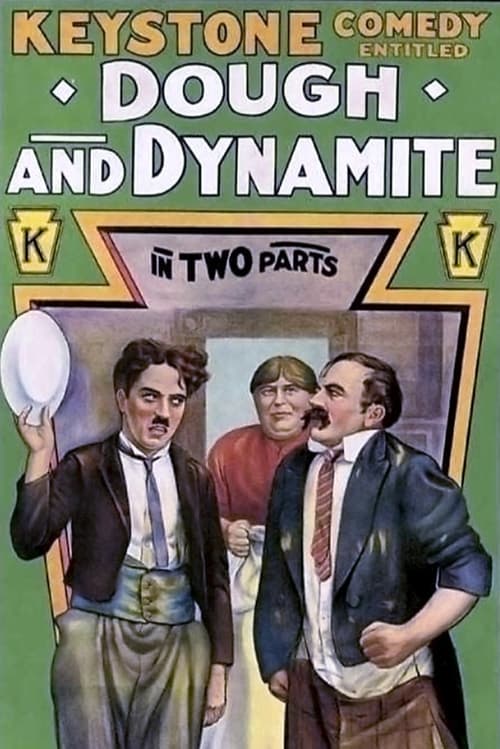
1914
No reviews yet. Be the first to share your thoughts on this movie!
Use the rating form above to leave a star rating and optional review.