
Ma, I Love You
2023
No user ratings available yet
Representation score: 5.7 out of 10
Representation Score
Fair
2013
Not RatedDirector
Anthony Chen
Runtime
100 minutes
Average Rating
No ratings yetNew Showbiz Analysis
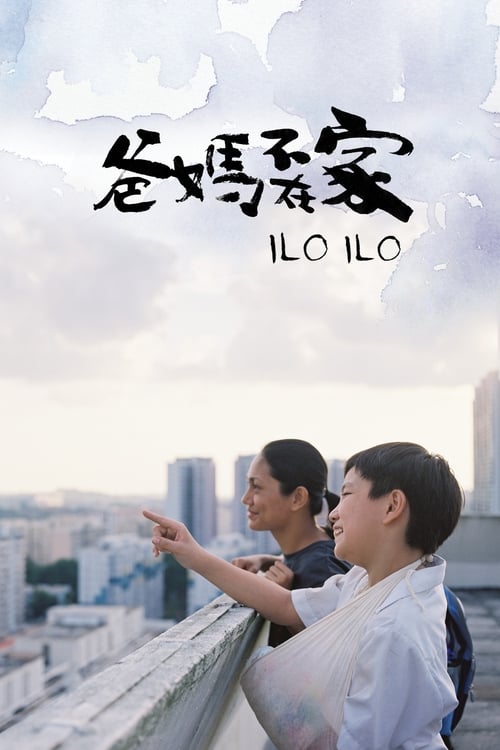
Ilo Ilo is a sophisticated social realism film that examines the impact of the 1997 Asian financial crisis on middle-class families. It moves beyond simple clichés to explore how economic instability affects traditional domestic stability. The film's strength lies in its nuanced exploration of class and ethnicity through the central role of a Filipino migrant worker. This provides a detailed look at Southeast Asian labor dynamics. However, the film remains strictly oriented toward straight relationships and lacks any representation of LGBTQ+ identities or disability. While it offers deep socioeconomic insights, it does not include diverse gender identities or neurodivergent perspectives.
Category Breakdown
The film adheres to a traditional framework that assumes everyone is straight or cisgender. There are no representations of LGBTQ+ identities or queer narratives.
The narrative emphasizes the mother's role as the primary caregiver and manager of the household. It challenges the traditional masculine provider role by highlighting the importance of female-coded labor in maintaining household stability.
The film stands out by focusing on a Filipino domestic worker in a Singaporean household. It delves into the post-colonial reality of migrant labor without reducing the worker to an invisible presence.
The story uses the bkground of the 1997 financial crisis to illustrate how macroeconomic structures can destabilize the domestic sphere. Characters are motivated by economic necessity rather than a single moral compass.
There is no significant or central depiction of physical or neurodivergent disabilities within the main narrative arc.
Present on Screen
Limited or Absent
Official Synopsis
During the late 1990s, a busy working-class Singaporean couple hires a Filipino woman as a maid and nanny to their young son.
2023

2002

2016

2009

2012

1993

2015
1994
No reviews yet. Be the first to share your thoughts on this movie!
Use the rating form above to leave a star rating and optional review.