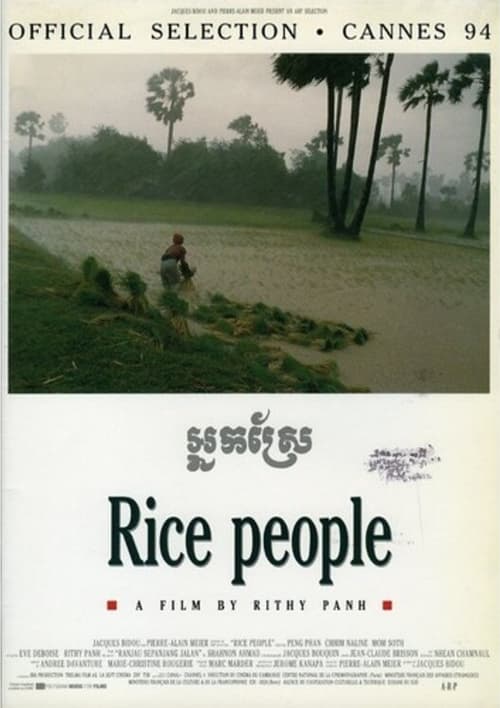
Rice People
1994
No user ratings available yet
Representation score: 3.9 out of 10
Representation Score
Excellent
2009
Director
Rithy Panh
Runtime
115 minutes
Average Rating
No ratings yetNew Showbiz Analysis
Rithy Panh’s drama is a sophisticated exploration of historical trauma and colonial upheaval. It excels by centering non-Western ability to act and reclaiming Khmer identity from the Western perspective. The film transforms a localized struggle for survival into a universal critique of systemic power. While the film lacks explicit LGBTQ+ representation, it deeply engages with racial and cultural complexities. The narrative effectively uses the struggle against nature and bureaucracy to highlight the resilience of underrepresented people.
Category Breakdown
The film does not focus on LGBTQ+ identities or non-cisgender expressions. Instead, it centers on historical memory and survival, avoiding direct exploration of sexual orientation.
The story challenges traditional gender roles by highlighting a female protagonist's active role. The mother character navigates a male-dominated system, emphasizing her strength and endurance rather than passive domesticity.
Set in 1930s French Indochina, the film examines racial prejudice and colonial power dynamics. It explores a potential romance between a local girl and a Chinese gentleman, highlighting themes of racial discrimination.
The work critiques Western-imposed structures and colonial trauma. It prioritizes the personal experiences of underrepresented individuals over traditional, triumphant historical narratives.
The film avoids typical physical disability clichés, focusing instead on the psychological trauma experienced by the characters. It portrays historical trauma as a pervasive, central condition affecting the characters.
Present on Screen
Limited or Absent
Official Synopsis
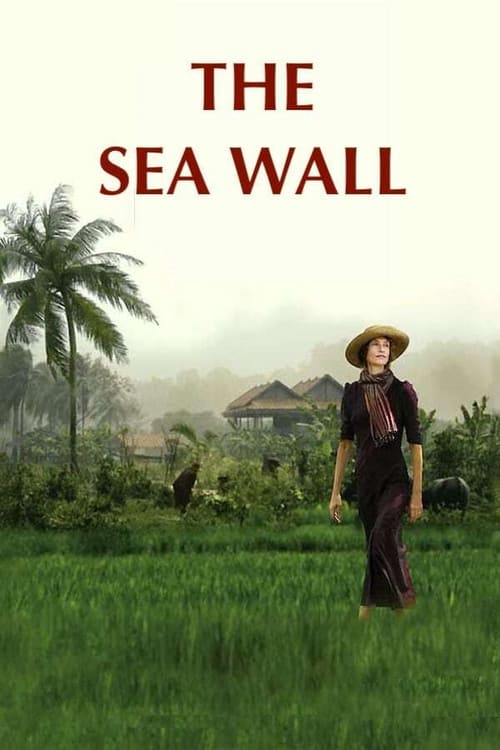
The film centers on a young French widow and her two adolescent children as they attempt to carve out a meager life for themselves by farming rice fields alongside the ocean in French Indo-China in the 1930s. Their efforts are hampered each year by the presence of the sea, which invariably floods the fields with saltwater and wipes out the crops. In desperation, the mother realizes that their only hope lies in the construction of a sea wall to prevent continued flooding, but the mother must cut a swath through the local bureaucracy in an almost Sisyphean attempt to make this happen. Meanwhile, her obstinate daughter, Suzanne, draws the romantic obsessions of a well-to-do Chinese gentleman, Monsieur Jo. Though he could easily provide a way out, the possibility of a romantic relationship between Jo and Suzanne could just as easily fall prey to local racial prejudices that would damage or ruin the lives of both.
1994

1966

2004
1960

2013

1960

1994
1990
No reviews yet. Be the first to share your thoughts on this movie!
Use the rating form above to leave a star rating and optional review.