
No Place to Run
1972
No user ratings available yet
Representation score: 1.2 out of 10
Representation Score
Limited
1976
GDirector
Michael Landon
Runtime
74 minutes
Average Rating
No ratings yetNew Showbiz Analysis
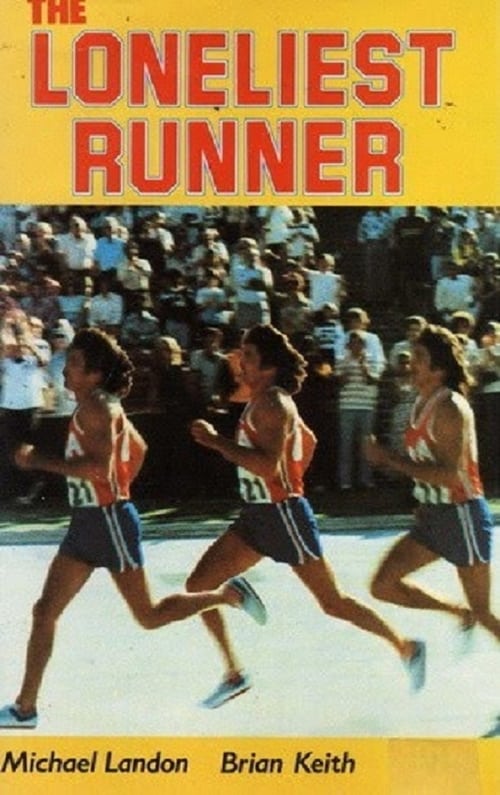
The Loneliest Runner is a character-driven melodrama that delves into individual psychological struggles rather than systemic social commentary. It succeeds in providing a more complex view of the family unit by highlighting domestic dysfunction and maternal abuse. While the film offers some progressive elements through the protagonist's active role in athletics, it remains largely tied to the demographic and social norms of 1970s television. The absence of LGBTQ+ and racially diverse representation keeps the narrative within a traditional, homogeneous framework. Ultimately, the film's strength lies in its sensitive handling of personal shame and resilience, even if it does not address broader social hierarchies.
Category Breakdown
The film does not include any LGBTQ+ characters or themes. The plot centers on the protagonist's personal struggles and family issues.
A female protagonist navigates her personal ambitions and athletic pursuits. This portrayal provides a moderate departure from traditional patriarchal roles through her active role in sports.
The production reflects the demographic norms of 1970s small-town American television. It operates within a relatively homogeneous social framework without diverse casting.
The narrative disrupts the 'perfect family' cliché by exploring domestic dysfunction and maternal abuse. It remains a standard period melodrama without broader institutional critiques.
The protagonist's struggle with bedwetting offers a nuanced look at childhood shame. This physiological condition is used to explore sensitive developmental themes.
Present on Screen
Limited or Absent
Official Synopsis
A young boy who still wets the bed finds escapism from his abusive mother and his own embarrassment by going running after school.
1972
1989
1983
1977

1976

1975
1976
1975
No reviews yet. Be the first to share your thoughts on this movie!
Use the rating form above to leave a star rating and optional review.