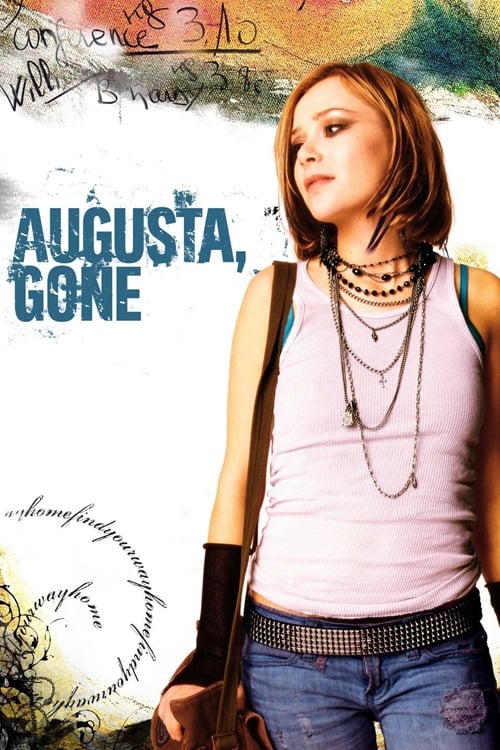
Augusta, Gone
2006
No user ratings available yet
Representation score: 5.2 out of 10
Representation Score
Limited
1979
Director
Peter H. Hunt
Runtime
100 minutes
Average Rating
No ratings yetNew Showbiz Analysis
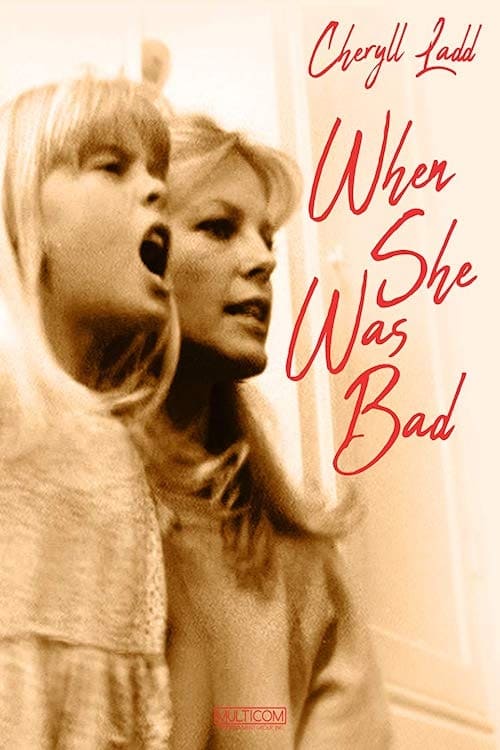
When She Was Bad... functions as a conventional domestic drama centered on maternal mental health. It provides a platform for exploring female psychological distress and the pressures of the stay-at-home mother archetype. However, the film lacks depth in representing diverse identities and fails to challenge traditional social hierarchies. The narrative resolution reinforces established norms rather than critiquing them, focusing on individual recovery within these norms. Ultimately, the work offers a specific look at women's internal struggles but remains tethered to the conservative social hierarchies of its era.
Category Breakdown
The film focuses entirely on a straight-centered domestic setting. There is no evidence of LGBTQ+ identities or narratives that critique straight-centered structures.
The story examines the psychological toll of traditional gender roles and female domesticity. It offers a nuanced look at maternal rage but stays within a conventional domestic framework.
The narrative provides no information regarding the racial or ethnic composition of the cast. Consequently, the diversity of the characters cannot be assessed.
The plot relies on traditional social institutions like family and counselors to resolve conflict. It treats domestic instability as an individual mental health issue rather than a systemic critique.
The film addresses mental health struggles and psychological volatility. While this provides visibility to neurodivergence, it is unclear if these conditions give characters a significant role in driving the story or serve as plot devices.
Present on Screen
Limited or Absent
Official Synopsis
Stressed by a recent move and being a stay-at-home mom, Teeny takes out her bottled-up rage on her daughter Robbie. Only the help of her friends, family and counselors can stop her from harming Robbie and herself.
2006
1989

1996

1974

1975

2002
1984

2001
No reviews yet. Be the first to share your thoughts on this movie!
Use the rating form above to leave a star rating and optional review.