
The Miracle Worker
2000
No user ratings available yet
Representation score: 5.3 out of 10

Representation Score
Good
1996
Director
Fred Gerber
Runtime
93 minutes
Average Rating
No ratings yetNew Showbiz Analysis
After the Silence succeeds by focusing on the empowerment of a deaf protagonist and challenging traditional family hierarchies. However, the film's impact is limited by a lack of visible diversity. There is no evidence of LGBTQ+ representation or significant racial diversity in the narrative. Ultimately, while the film excels in portraying disability, it remains rooted in the conventional casting and social frameworks of its time.
Category Breakdown
The film does not include any explicit LGBTQ+ characters or non-straight relationships. The story centers on the relationship between a social worker and a deaf protagonist.
The narrative emphasizes the professional competence and leadership of female characters. Pam is shown as a decisive leader who drives the plot through her intellect and teaching skills.
There is no specific information about the racial makeup of the cast. The film follows typical casting practices common in mid-90s television.
The story critiques traditional family structures by highlighting the potential for oppression within the nuclear family. It emphasizes social work as a means of liberation.
The film provides a strong representation of deafness. The protagonist's journey towards self-empowerment through sign language is highlighted.
Present on Screen
Limited or Absent
Official Synopsis
Laura is a 20 year old deaf girl who has never been taught sign language. She is rescued from neglect and physical abuse by Pam, a social worker. Pam teaches her how to communicate and uncovers Laura's true personality.
2000

2014

1991
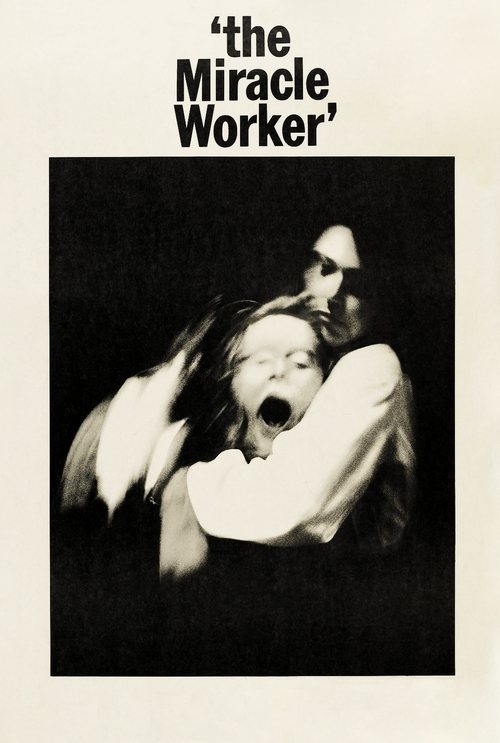
1962
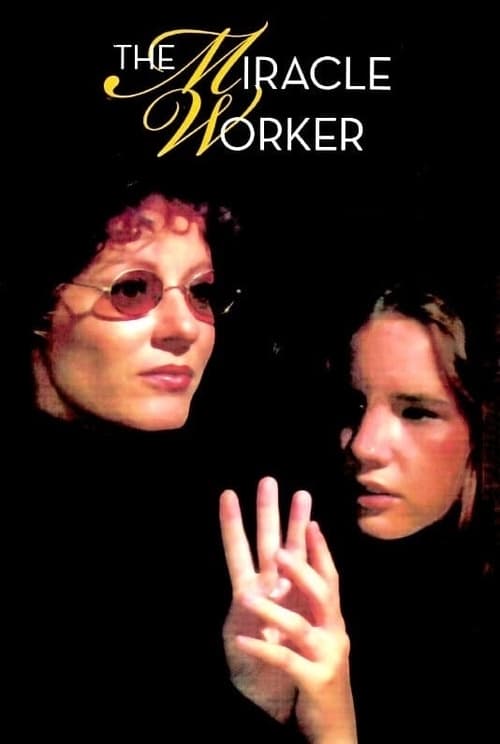
1979
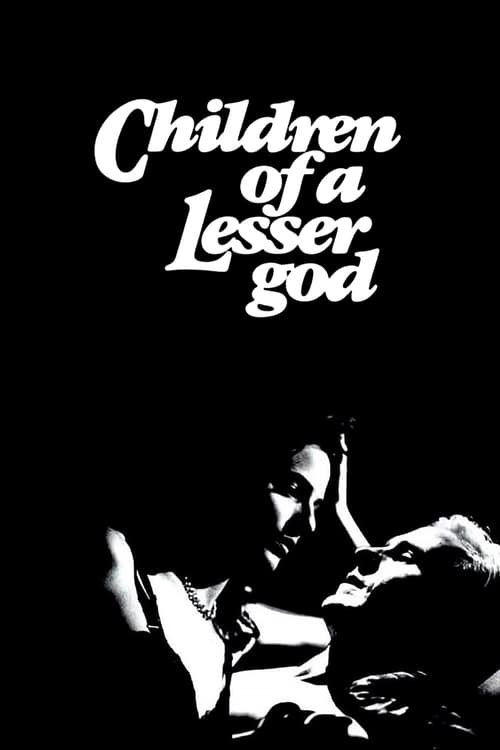
1986

1994

1994
No reviews yet. Be the first to share your thoughts on this movie!
Use the rating form above to leave a star rating and optional review.