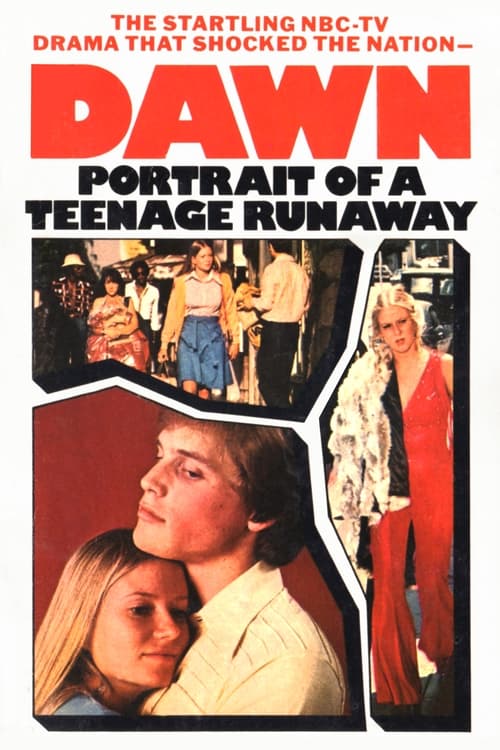
Dawn: Portrait of a Teenage Runaway
1976
No user ratings available yet
Representation score: 5.8 out of 10
Representation Score
Good
1994
Director
Herrmann Zschoche
Runtime
92 minutes
Average Rating
No ratings yetNew Showbiz Analysis
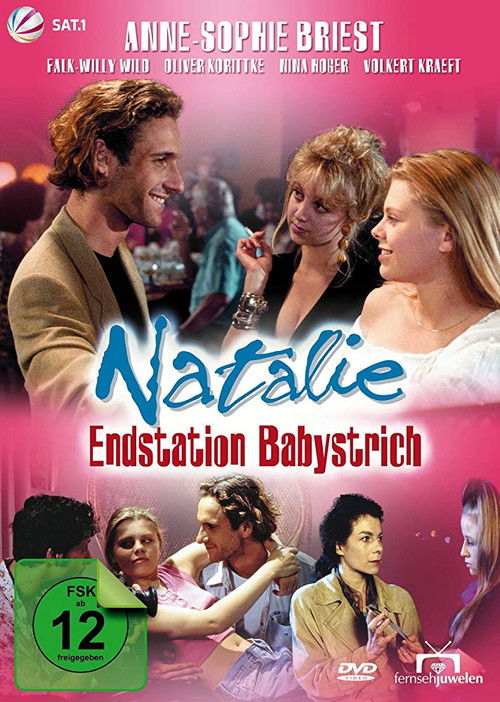
Natalie - Endstation Babystrich is a social drama that prioritizes the deconstruction of the traditional family unit over broad demographic representation. While it lacks racial and LGBTQ+ diversity, it offers a critical look at how domestic structures can fail individuals. The film's strength lies in its willingness to challenge the myth of the stable, wealthy household. By framing the protagonist's descent into a predatory relationship as a consequence of systemic neglect, it provides a nuanced critique of social institutions. However, the film's approach to disability and racial diversity is limited. The inclusion of illness serves more as a plot device than a character study, and the setting remains socially homogeneous.
Category Breakdown
The film does not explicitly address queer identities or themes. The story focuses on the protagonist's search for connection amid familial neglect.
The movie centers on a female protagonist dealing with domestic dysfunction. It challenges the idea of a stable father figure by showing the family as emotionally unavailable.
The story seems centered around a homogeneous social environment. There is no indication of a multi-ethnic cast or diverse racial identities within the setting.
The film critiques traditional social institutions and the nuclear family. It examines how systemic emotional neglect can lead to the breakdown of conventional morality.
A chronically ill younger sister is introduced, serving as a catalyst for the protagonist's isolation. However, her role is primarily as a plot device rather than a character study.
Present on Screen
Limited or Absent
Official Synopsis
14 years old Natalie seems to live in a completely healthy and wealthy family. However she feels lost: her parents spend most of their time for her younger, sick sister. So she grows more and more lonely. After an argument with her father she runs away from home. In her quest for care and nearness, she ends up with souteneur Nico.
1976

2002
1994
1995

1980

1976

2020
2016
No reviews yet. Be the first to share your thoughts on this movie!
Use the rating form above to leave a star rating and optional review.