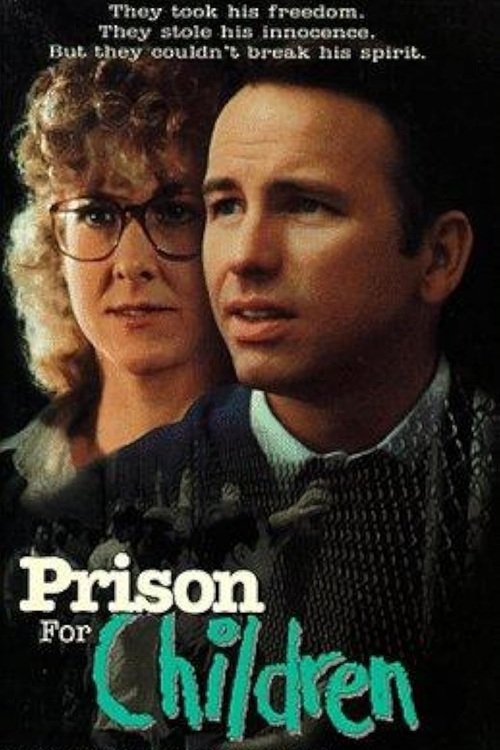
Prison for Children
1987
No user ratings available yet
Representation score: 7.8 out of 10

Representation Score
Fair
1976
Not RatedDirector
Donald Wrye
Runtime
98 minutes
Average Rating
No ratings yetNew Showbiz Analysis
Born Innocent is a social critique that prioritizes the study of institutional failure over broad identity representation. It succeeds in challenging the perceived benevolence of state authority, offering a skeptical view of the systems meant to protect vulnerable minors. However, the film's scope is narrow. It focuses heavily on class and systemic oppression while lacking significant LGBTQ+ or multi-ethnic presence. The representation of trauma remains somewhat functional to the plot rather than deeply character-driven. Ultimately, the film is a period-specific drama that finds its strength in its critique of bureaucracy, even as it lacks modern multi-layered breadth.
Category Breakdown
The film does not include any LGBTQ+ characters or stories. The narrative focuses solely on child trauma and state intervention.
A female protagonist drives the story through a hostile environment. While she faces systemic constraints, a female care worker is the main agent of change.
The film highlights socioeconomic vulnerability and class-based exclusion. There is little evidence of a multi-ethnic cast or explicit racial diversity.
The narrative sharply criticizes Western institutions. It portrays state bureaucracy and legal systems as cold, oppressive, and potentially unreliable structures.
The story touches on psychological trauma and tragic circumstances. However, these elements often serve as plot drivers rather than nuanced explorations of mental health.
Present on Screen
Limited or Absent
Official Synopsis
A constant runaway is given over to the care of the state and finds herself in a remand centre for girls. She is soon caught between the uncaring bureaucracy, the sometimes brutal treatment from her peers and her own abusive family, and only one care worker sees her potential to rise above her tragic circumstances.
1987

1979

2021
1994

2021

1983

1975

2015
No reviews yet. Be the first to share your thoughts on this movie!
Use the rating form above to leave a star rating and optional review.