
When You Remember Me
1990
No user ratings available yet
Representation score: 6.7 out of 10

Representation Score
Fair
1985
Director
Michael Tuchner
Runtime
100 minutes
Average Rating
No ratings yetNew Showbiz Analysis
Amos is a character-driven drama that primarily critiques institutional power. Narrative tension arises from the conflict between an individual seeking autonomy and a rigid, hierarchical system. Although the film lacks explicit markers of multi-layered identity such as LGBTQ+ or racial diversity, it successfully challenges traditional gender roles. The character of Daisy Daws stands out as a departure from typical caregiver archetypes. Ultimately, the film's strength lies in its exploration of systemic control and the vulnerability of individuals within state-run institutions.
Category Breakdown
The film does not include any LGBTQ+ characters or stories related to non-cisgender identities. The narrative focuses solely on the protagonist's struggle within a medical institution.
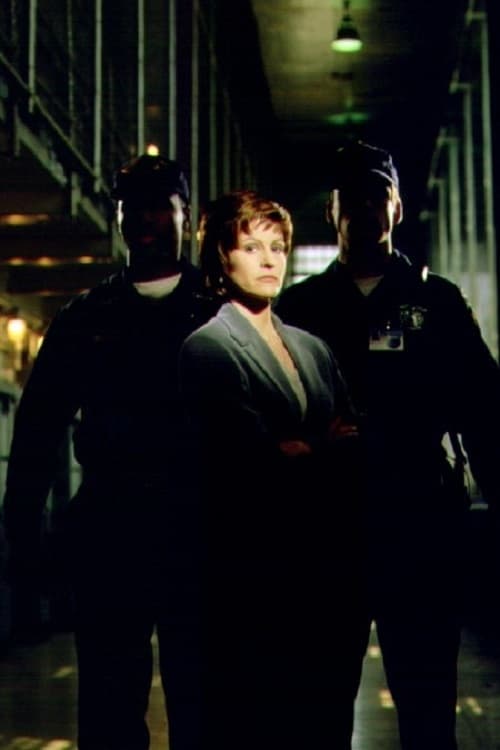
Daisy Daws breaks traditional gender roles by being a strong, controlling authority figure. This portrayal contrasts with the nurturing caregiver stereotype, emphasizing systemic control instead.
There is no explicit information about the racial makeup of the cast. Without specific character descriptions, the presence of diverse casting or racial conflicts remains unverified.
The story critiques Western institutional structures by depicting the state-sanctioned nursing home as a threatening environment. It emphasizes individual survival over institutional loyalty.
The film examines the vulnerability and loss of autonomy associated with aging and institutionalization. It highlights the systemic treatment of individuals in precarious or dependent states.
Present on Screen
Limited or Absent
Official Synopsis
Amos Lasher loses his wife and home in an accident, finding himself in the care of the state, or specifically speaking, the Sunset Nursing Home. Here he finds the head nurse, Daisy Daws, ruling the cowed patients with an iron hand, but as his determination to get out of Sunset grows, the more sinister his situation becomes.
1990

1986

2004

1989
2001

1995

1982

1982
No reviews yet. Be the first to share your thoughts on this movie!
Use the rating form above to leave a star rating and optional review.