
Miracle Run
2004
No user ratings available yet
Representation score: 2.1 out of 10
Representation Score
Limited
1979
Not RatedDirector
Glenn Jordan
Runtime
97 minutes
Average Rating
No ratings yetNew Showbiz Analysis
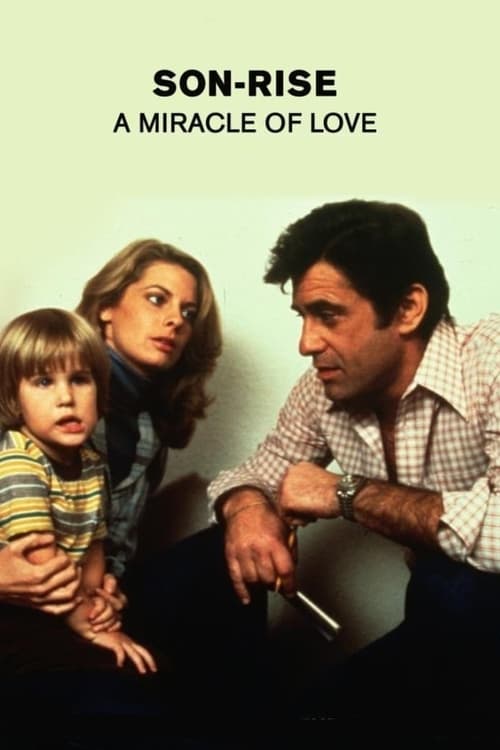
Son-Rise: A Miracle of Love is a conventional family drama that shines in its portrayal of neurodivergence. While it adheres to the era's standard social structures regarding race and gender, it provides a nuanced look at disability. The film challenges the dominance of medical institutions by empowering a family to define their own therapeutic approach. This emphasis on parental autonomy and customized care stands out as a unique contribution to traditional family dramas.
Category Breakdown
The film lacks any representation of LGBTQ+ characters or non-straight-centered identities. The story remains strictly focused on a traditional nuclear family structure.
The film follows typical 1970s domestic roles, focusing on a husband and wife. The wife's pregnancy drives the emotional storyline, but the film doesn't challenge traditional gender roles.
The movie reflects the homogenous demographics of 1970s television. It does not include diverse racial or ethnic representation within the story.
The story examines skepticism towards institutional authority. Parents reject standard medical treatments to develop their own program, emphasizing parental control over professional expertise.
The film offers meaningful representation of neurodivergence, particularly focusing on a child with autism. It highlights the parents' active role in creating specialized, personalized care.
Present on Screen
Limited or Absent
Official Synopsis
A young couple is overjoyed when they find out that, after having had two girls, the wife is pregnant again, and this time it will be a son. However, the boy turns out to autistic. Unhappy with the diagnoses and treatments available, they decide to work out their own therapy program for their son.
2004

2014
1994
2016

1999

2011

2016

1992
No reviews yet. Be the first to share your thoughts on this movie!
Use the rating form above to leave a star rating and optional review.