High Conquest
1947
No user ratings available yet
Representation score: 0.8 out of 10
Representation Score
Minimal
1951
NRDirector
Henry King
Runtime
88 minutes
Average Rating
No ratings yetNew Showbiz Analysis
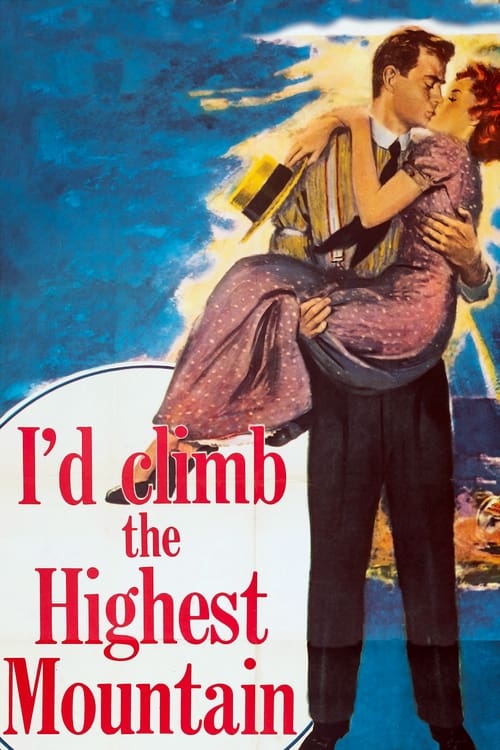
I'd Climb the Highest Mountain is a traditional drama set in 1951, emphasizing the social, religious, and familial norms of its time. It focuses on the moral clarity and conventional emotional arcs typical of Henry King's direction. The film does not challenge these norms and instead reinforces the stability of the church and the nuclear family. The movie serves as a portrait of mid-century American life, highlighting the conventional social structures of the era.
Category Breakdown
The film does not include any LGBTQ+ identities or same-sex relationships. The story focuses on a married couple in traditional roles.
The narrative leadership is centered around a male minister. The wife's role seems limited to supporting and domestic duties.
Set in 1950s Georgia, the film reflects the era's predominantly white cast and settings, adhering to the homogeneity of that time.
The story highlights religious institutions and the stability of the nuclear family. It upholds traditional social structures.
There is no indication of characters with disabilities or neurodivergent traits in the film.
Present on Screen
Limited or Absent
Official Synopsis
A minister from the Deep South is assigned a new parish and moves with his wife to a town in Georgia's Blue Ridge Mountains, where he tends to the spiritual and emotional needs of his small flock.
1947
1955
1951

1960
1997
1966
1946
1955
No reviews yet. Be the first to share your thoughts on this movie!
Use the rating form above to leave a star rating and optional review.