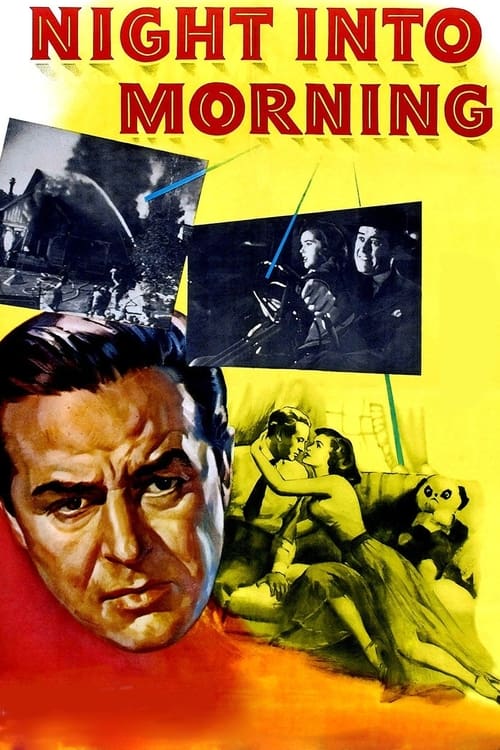
Night Into Morning
1951
No user ratings available yet
Diversity score: 2.1 out of 10
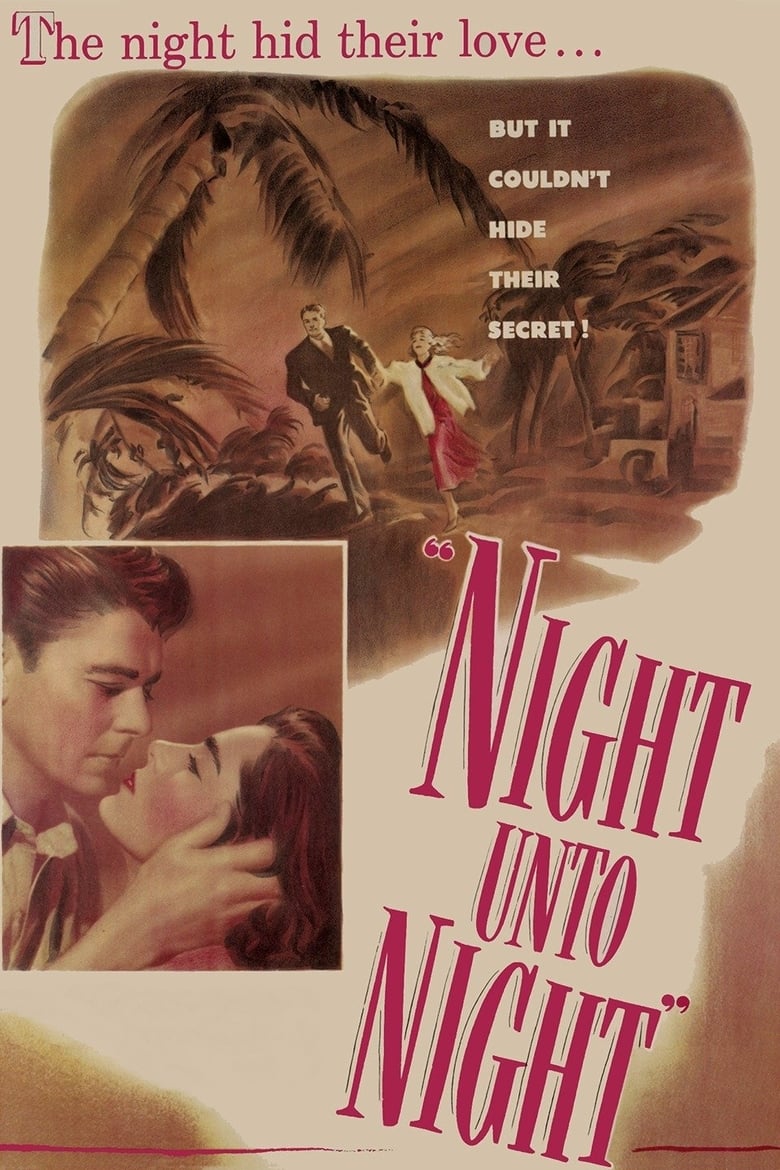
1949
NRDirector
Don Siegel
Runtime
84 minutes
Average Rating
No ratings yetSynopsis
A bleak mansion sits ominously on a cliff above the sea somewhere on Florida's east coast. In its shadows, two people meet: a scientist haunted by incurable illness and a beautiful woman haunted by the voice of her dead husband. Ronald Reagan and Hollywood-debuting Viveca Lindfors star in an eerie drama steeped in religious faith and supernatural fear, in the destructive power of sexual jealousy and the redemptive power of love. In one of his earliest directorial efforts, Don Siegel (Dirty Harry, The Shootist) displays his command of pacing and camerawork, building the action to a climactic hurricane that parallels the tumultuous emotions of characters precariously balanced between now and the hereafter.
Overall Score
Limited
Category Breakdown
LGBTQ+ Representation
The film centers on a conventional romantic pairing between a man and a woman. There is no evidence of non-cisnormative identities or narratives that challenge heteronormativity.
Gender Representation
Characters follow traditional archetypes, with the woman defined by mourning and the man by his professional status. The power dynamics do not appear to subvert mid-century gender hierarchies.
Racial & Ethnic Diversity
The narrative lacks indications of a diverse cast, adhering to the homogeneous casting standards of 1949 Hollywood. The setting and descriptions suggest a non-diverse, Anglo-Saxon majority.
Religious & Cultural Diversity
The story focuses on individual tragedy and personal suffering within a traditional social structure. It lacks any indication of secularism or critiques of Western institutions.
Disability Representation
A central character is defined by an incurable illness, providing visibility for physical vulnerability. However, it remains unclear if this portrayal avoids melodramatic tropes.
Strengths
Areas for Improvement
AI Analysis
Night Unto Night is a period-typical psychological melodrama that relies heavily on established mid-century tropes. The narrative architecture focuses on individual tragedy and romantic archetypes rather than social commentary. The film offers very little disruption to conventional social hierarchies. Its representation is limited by the era's standards, focusing on a narrow, homogeneous demographic and traditional gender roles. While the inclusion of a character with a chronic illness provides some visibility for physical vulnerability, the overall scope of the film remains deeply conventional.
1951
1949
1932
1952
1951
1938
1979
1969
1981
1945
1951
1954
No reviews yet. Be the first to share your thoughts on this movie!
Use the rating form above to leave a star rating and optional review.