
Ten North Frederick
1958
No user ratings available yet
Representation score: 0.4 out of 10

Representation Score
Minimal
1960
NRDirector
Richard Quine
Runtime
117 minutes
Average Rating
No ratings yetNew Showbiz Analysis
Strangers When We Meet is a period-typical domestic drama that functions within the established social hierarchies of 1960s Hollywood. While it avoids systemic critiques of race or sexuality, it provides a subtle subversion of mid-century gender roles. The film's strength lies in its psychological realism, particularly regarding the emotional ability to act of its female lead. However, the narrative remains deeply rooted in a homogeneous, mid-century American middle-class perspective that lacks broader cultural or identity-based representation.
Category Breakdown
The film follows a strictly straight-centered structure focused on traditional marital bonds. It lacks any depiction of non-binary gender identities or same-sex relationships.
The narrative offers a nuanced departure from the 'perfect housewife' cliché by giving the female protagonist significant psychological influence. It challenges traditional patriarchal structures by highlighting the fragility of domestic commitments.
The setting and casting reflect the era's social constraints through a largely homogeneous white cast. The story does not engage with racial or ethnic diversity.
The film explores individual morality and infidelity within a traditional social structure rather than critiquing Western institutions. It adheres to the moral frameworks of the early 1960s.
There are no visible or invisible disabilities integrated into the character arcs. Disability is not utilized as a central theme or plot device.
Present on Screen
Limited or Absent
Official Synopsis
A suburban architect loves his wife but is bored with his marriage and with his work, so he takes up with the neglected, married beauty who lives down the street.
1958

1958
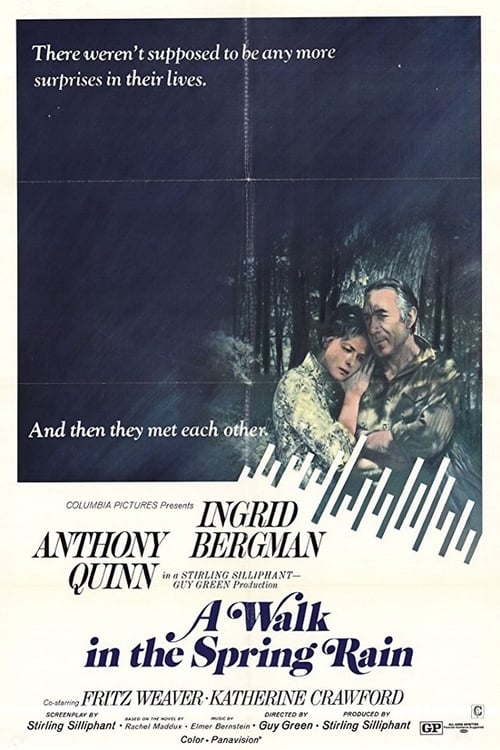
1970

1965
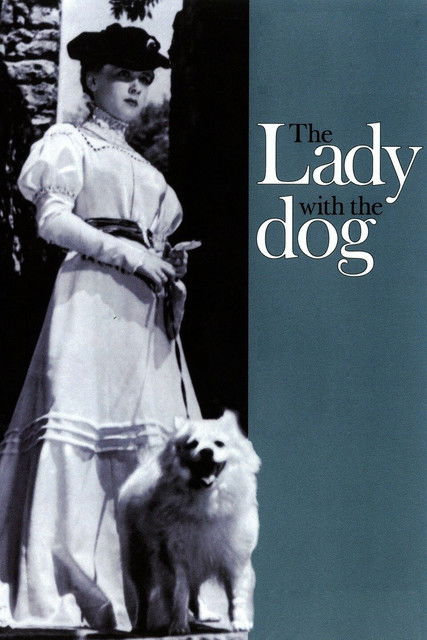
1960

1952

1950

1945
No reviews yet. Be the first to share your thoughts on this movie!
Use the rating form above to leave a star rating and optional review.