
Family
2001
No user ratings available yet
Representation score: 5.3 out of 10

Representation Score
Good
1997
Not RatedDirector
Takashi Miike
Runtime
95 minutes
Average Rating
No ratings yetNew Showbiz Analysis
Rainy Dog is a postmodern character study that prioritizes psychological instability over traditional social representation. It disrupts conventional narrative structures and moral certainties through its surrealist lens. However, the film lacks explicit diversity in terms of gender, race, and LGBTQ+ identities. While it explores the alienation of an outsider in a foreign land, it does not provide substantial roles for female characters or explore queer identities. Ultimately, the film uses mental health conditions as narrative devices for tension rather than exploring disability with depth, resulting in a focus on individual alienation over broader social issues.
Category Breakdown
The film does not include explicit LGBTQ+ characters or non-cisgender identities. The narrative centers on the protagonist's internal struggles and interactions rather than exploring queer identities.
Gender dynamics play a minor role, with women appearing mainly as catalysts for past trauma or as peripheral figures within a male-dominated criminal underworld.
The setting includes a Japanese assassin in Taiwan, creating a backdrop for cross-cultural tension. However, the film functions more as an outsider's character study than a focused exploration of ethnic representation.
The film deconstructs traditional social structures and institutional authority, focusing on subjective experiences and psychological chaos rather than structured morality or religious ideals.
Mental health conditions such as paranoia and hallucinations are central to the protagonist's journey. These neurodivergent states serve as narrative devices for tension rather than offering a deeper exploration of disability.
Present on Screen
Limited or Absent
Official Synopsis
A Japanese assassin stranded in Taiwan must take work from a local crime boss to make ends meet when suddenly a woman from his past delivers a son to him.
2001

2001

2006

1999

1995

2018

1991
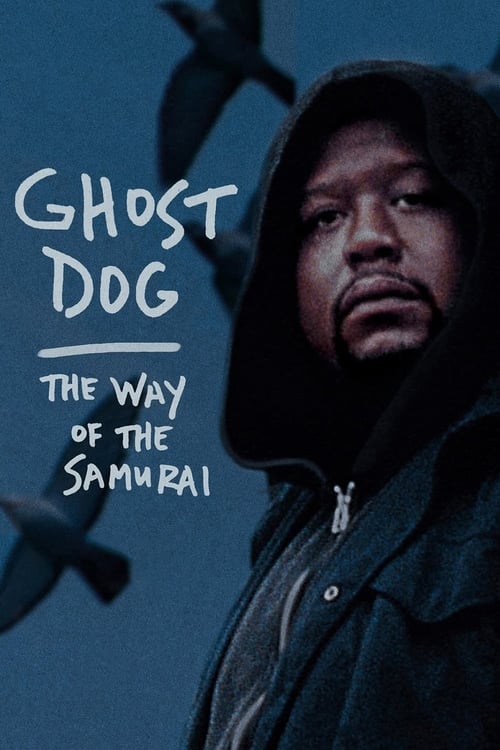
1999
No reviews yet. Be the first to share your thoughts on this movie!
Use the rating form above to leave a star rating and optional review.