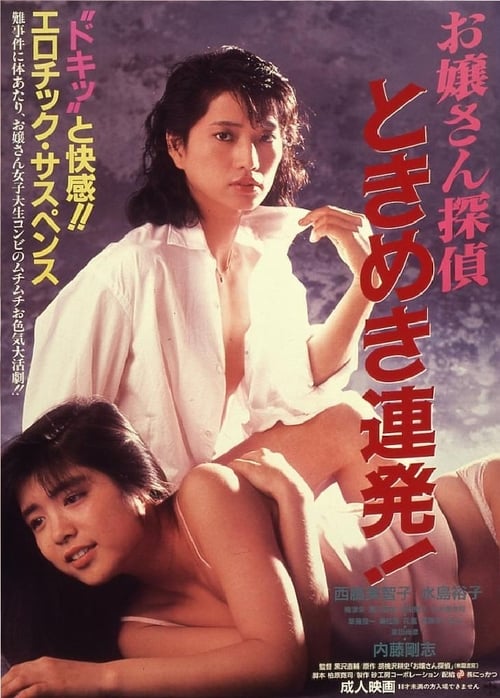
Young Lady Detectives: Heart Beat!
1987
No user ratings available yet
Representation score: 5.0 out of 10
Representation Score
Fair
1991
Director
Takashi Miike
Runtime
93 minutes
Average Rating
No ratings yetNew Showbiz Analysis
Takashi Miike’s work often blurs genre lines and challenges social hierarchies. In this film, he centers a female-led detective unit to challenge the traditionally male-dominated law enforcement framework. The narrative delves into the interplay between institutional authority and underrepresented communities. By placing female detectives in the sex work industry, the film tackles themes of personal empowerment and systemic crime. While the film effectively subverts gender norms, it adheres to the racial homogeneity typical of 1990s Japanese cinema and lacks specific data on LGBTQ+ or disability representation.
Category Breakdown
The story takes place in environments related to prostitution, where non-straight relationships might exist. However, specific LGBTQ identities or romantic connections are not clearly defined.
The film challenges traditional gender roles by focusing on a female-led detective team. These women operate independently of the usual patriarchal structures, taking charge of investigations rather than being subjects of them.
The cast likely reflects the ethnic makeup typical of 1991 Japanese cinema. However, the focus on the criminal underworld suggests the film may explore various social classes and underrepresented groups.
The story questions traditional moral frameworks and institutional effectiveness. By highlighting a secret division, the film critiques the stability and reliability of established bureaucracies.
There is no information about the inclusion or depiction of characters with physical or neurodivergent disabilities.
Present on Screen
Limited or Absent
Official Synopsis
A group of female police officers form a secret detective division called Eyecatch Junction. They go undercover in a prostitute racket to investigate the murder of a young woman.
1987
1999

1996
1972

1992
1999

2016

2013
No reviews yet. Be the first to share your thoughts on this movie!
Use the rating form above to leave a star rating and optional review.