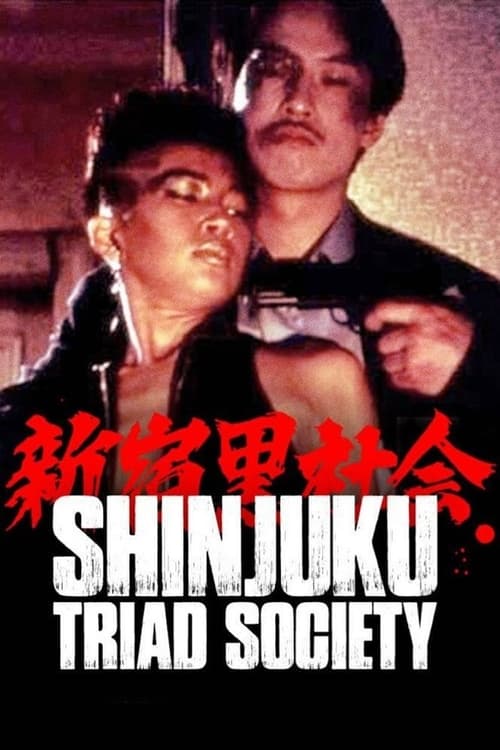
Shinjuku Triad Society
1995
No user ratings available yet
Representation score: 4.3 out of 10
Representation Score
Fair
1998
TV-PGDirector
Takashi Miike
Runtime
118 minutes
Average Rating
No ratings yetNew Showbiz Analysis
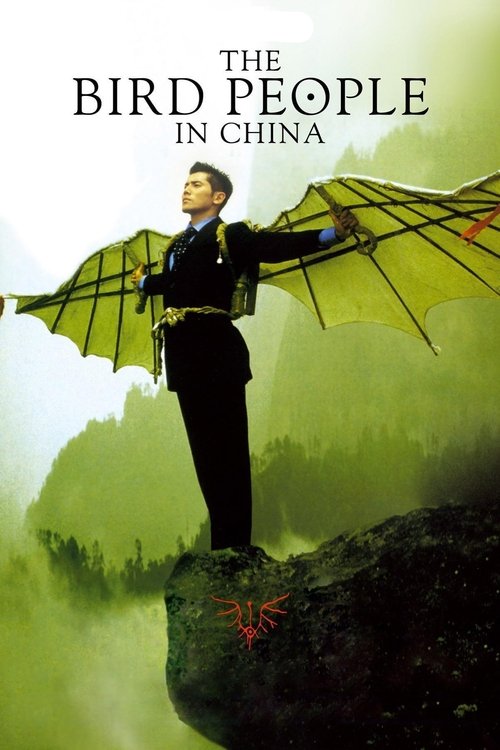
The film centers on a male-dominated journey through China, focusing on cross-cultural interactions. While the story offers some cultural diversity and potential social critiques, it lacks significant gender or LGBTQ+ diversity. Representation is primarily driven by the setting and the interaction between Japanese characters and their Chinese environment.
Category Breakdown
The main characters are all male, and there is no indication of LGBTQ+ identities or non-straight relationships in the story.
The story revolves around three male characters, emphasizing a male-dominated journey without significant gender diversity or female influence.
The film features Japanese characters interacting with a Chinese setting, providing a diverse cultural experience. A local guide named Shen helps bridge the cultural gap.
The plot includes a search for a magical mine, which may imply a critique of strict social structures. The inclusion of a yakuza character adds a layer of social commentary.
The film does not include any characters with visible or invisible disabilities.
Present on Screen
Limited or Absent
Official Synopsis
Wada, a salary man, is enlisted to venture off to China to investigate a potential Jade mine. After his arrival, Wada encounters a violent, yet sentimental, yakuza, who takes the liberty of joining his adventure through China. Led on their long and disastrous journey to the mine by Shen, the three men come across something even more magical and enticing.
1995

1962

2007
1999

1992

2014

2019
2016
No reviews yet. Be the first to share your thoughts on this movie!
Use the rating form above to leave a star rating and optional review.