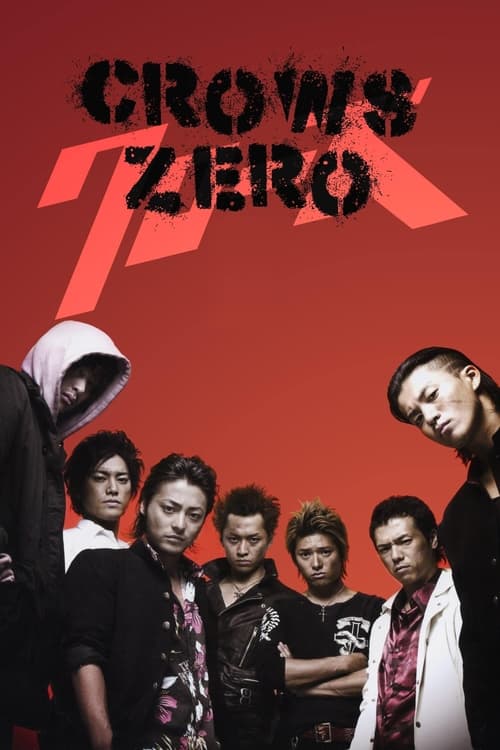
Crows Zero
2007
No user ratings available yet
Representation score: 1.8 out of 10
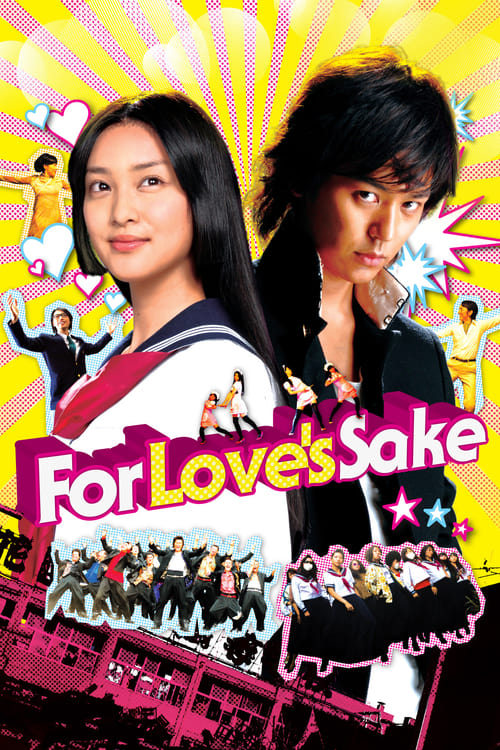
Representation Score
Fair
2012
Director
Takashi Miike
Runtime
133 minutes
Average Rating
No ratings yetNew Showbiz Analysis
Takashi Miike’s direction often challenges conventional social structures, yet this film adheres to traditional romantic and moral clichés. The narrative prioritizes a character-driven drama centered on vengeance and personal impulses rather than broad demographic diversity. The film operates within a specific Japanese cultural context, focusing on the conflict between systemic social norms and personal morality. While it avoids a singular moral framework, it lacks explicit markers of diverse identity representation. Ultimately, the work offers a nuanced exploration of subjective morality but remains limited in its portrayal of diverse identities.
Category Breakdown
The film focuses on a traditional romantic relationship between Makoto and Ai. There are no characters explicitly identified as LGBTQ+ or non-straight.
While the story revolves around a male protagonist seeking vengeance, female characters like Ai and Gamuko hint at a shift away from purely patriarchal dynamics. However, there is no clear evidence that these women have significant influence over the story's progression.
As a Japanese production, the film features a predominantly homogenous cast. It reflects a localized setting without emphasizing diverse racial or ethnic backgrounds.
The story examines the tension between a troubled individual and a traditional family unit. This highlights a critique of rigid social norms and conventional domestic stability.
There are no characters with visible or invisible disabilities mentioned in the narrative.
Present on Screen
Limited or Absent
Official Synopsis
Troubled high school student Makoto arrives in Tokyo to exact revenge from a past incident. He then falls in love at first sight with Ai, a daughter raised in a wholesome family. Around Makoto and Ai are Iwashimizu, who has feelings for Ai and Gamuko, a gang member who eyes Makoto.
2007
1990
2019
2014
2011
2018
1998
1997
No reviews yet. Be the first to share your thoughts on this movie!
Use the rating form above to leave a star rating and optional review.