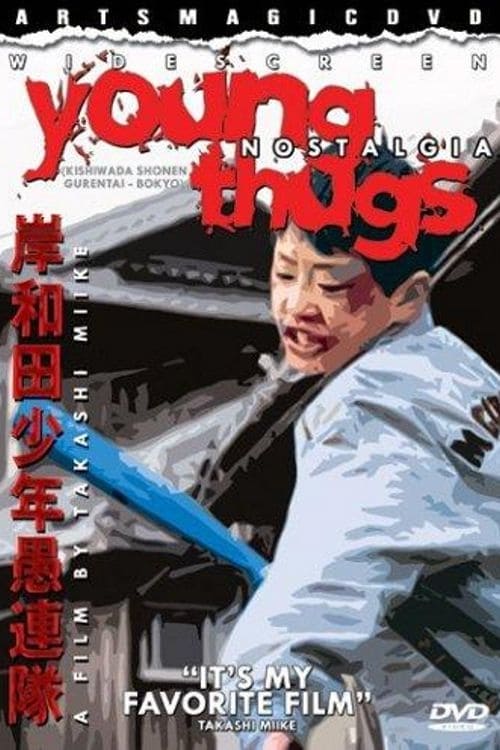
Young Thugs: Nostalgia
1998
No user ratings available yet
Representation score: 5.6 out of 10
Representation Score
Fair
1997
Director
Takashi Miike
Runtime
108 minutes
Average Rating
No ratings yetNew Showbiz Analysis
Takashi Miike’s direction provides a stylistic subversion of traditional genre boundaries, prioritizing non-conformist narratives over conventional moral structures. The film succeeds in critiquing social stability by centering characters who actively rebel against institutional norms. However, the representation remains limited by a homogeneous demographic profile and a lack of visible LGBTQ+ themes. While the inclusion of a female character offers a necessary counterpoint to the male-driven crime plot, the narrative's scope is largely confined to traditional social frameworks. Ultimately, the film's strength lies in its cultural critique of social hierarchies rather than its breadth of identity representation.
Category Breakdown
The film does not explicitly mention LGBTQ+ characters or non-straight relationships. However, it explores fluid identities through the story of three friends dealing with post-high school criminality.
Ryoko brings a unique female perspective that contrasts with the traditionally male-centric crime narrative. While the male characters follow typical masculine roles in law enforcement, Ryoko navigates a different social path through her salon work.
Set in Kishiwada, the film operates within a relatively homogeneous Japanese cultural context. It avoids Western-centric casting and focuses on localized, non-Anglo-Saxon social structures and demographics.
The story challenges the sanctity of educational and legal institutions by depicting youth delinquency. It prioritizes situational ethics and rebellion over traditional societal expectations and institutional morality.
There is no indication of the depiction of physical or neurodivergent disabilities within the narrative.
Present on Screen
Limited or Absent
Official Synopsis
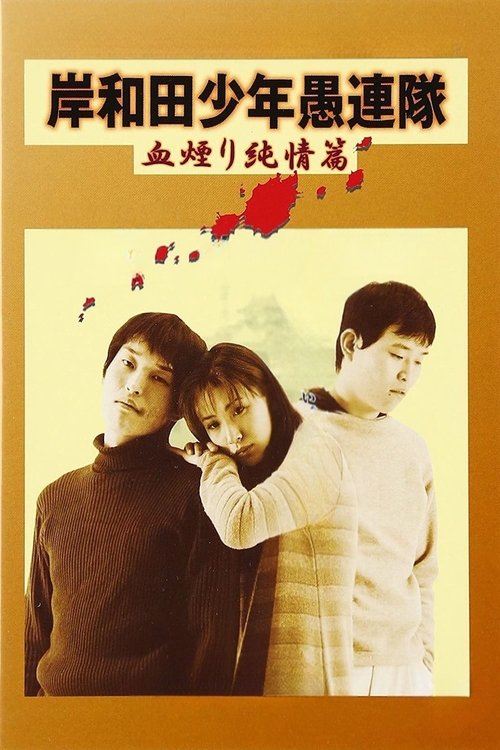
Young Thugs: Innocent Blood follows three friends through their first year after leaving high school. Having robbed their teacher on their last day, Ryoko gets a job in a hair salon, while the two boys settle down into a career of enforcement and protection.
1998
1996
1971

2007
2000

2003
1981
1983
No reviews yet. Be the first to share your thoughts on this movie!
Use the rating form above to leave a star rating and optional review.