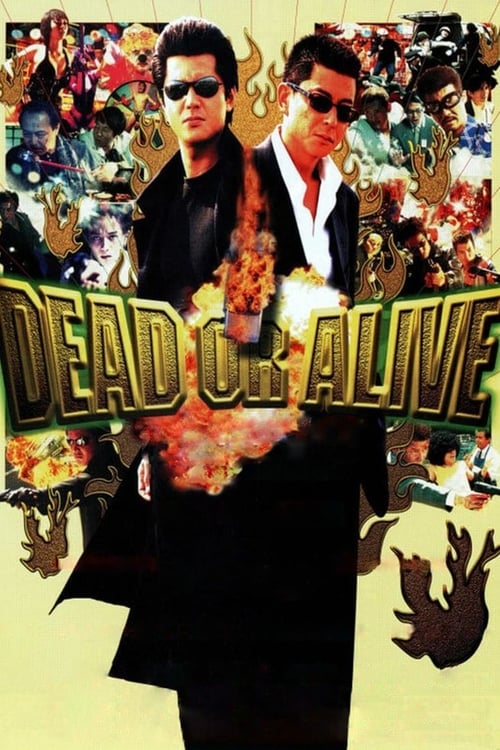
Dead or Alive
1999
No user ratings available yet
Representation score: 1.9 out of 10
Representation Score
Fair
1995
Not RatedDirector
Takashi Miike
Runtime
100 minutes
Average Rating
No ratings yetNew Showbiz Analysis
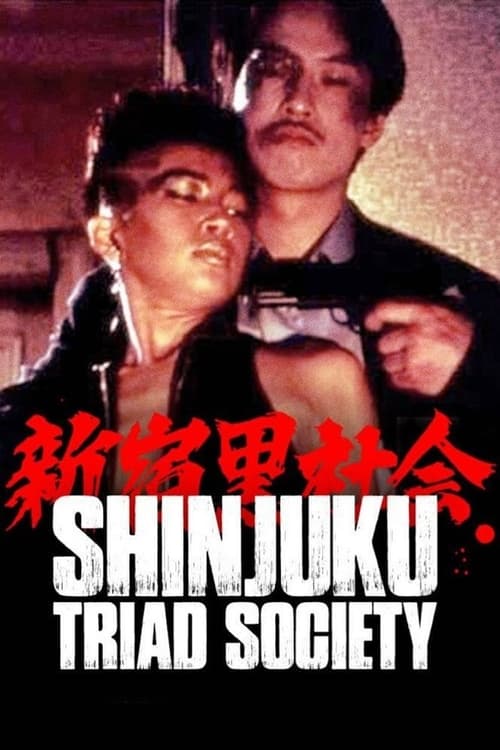
Takashi Miike’s direction often disrupts conventional structures and explores social fringes. This film leverages that iconoclastic style to move beyond domestic crime clichés by introducing transnational ethnic friction. The narrative succeeds in transcending mono-cultural boundaries through its focus on Japanese and Chinese criminal dynamics. This provides a more complex architecture than standard genre fare. However, the film remains limited by traditional genre constraints. It lacks visible representation for LGBTQ+ identities and appears to follow conventional, male-dominated power dynamics.
Category Breakdown
The film does not specifically depict gender identity or sexual orientation. It follows a neutral approach typical of mid-90s crime thrillers where such narratives are often sidelined.
The story centers on a male-dominated conflict between a cop and a warlord. Female characters do not play a significant role in driving the story or challenge traditional male leadership roles.
The story features significant potential for exploring multiple aspects of identity by centering a conflict between Japanese and Chinese criminal entities. The plot moves from Shinjuku to Taiwan, using transnational ethnic dynamics.
The structure implies a critique of systemic instability and porous borders. By framing the story through underworld conflict, it engages with themes of moral relativism and institutional corruption.
There is no evidence regarding the inclusion or portrayal of characters with physical or neurodivergent disabilities.
Present on Screen
Limited or Absent
Official Synopsis
Tatsuhito, a cop, pursues Chinese warlord Wang through the underworld of Shinjuku and over to Taiwan.
1999
2017
2004
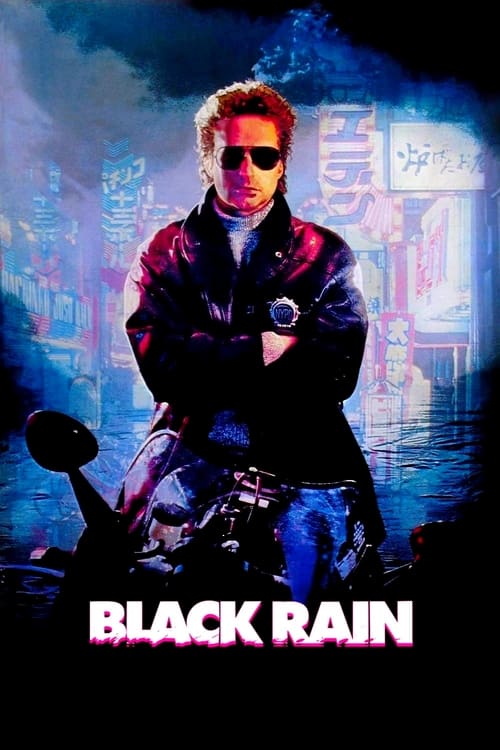
1989
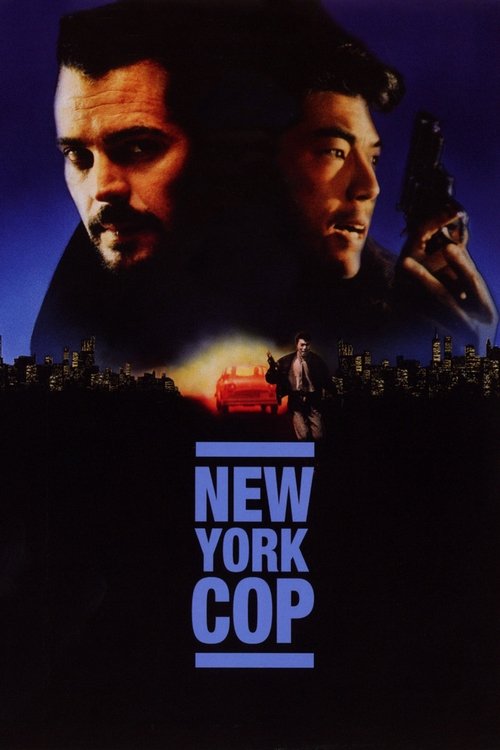
1993

1997
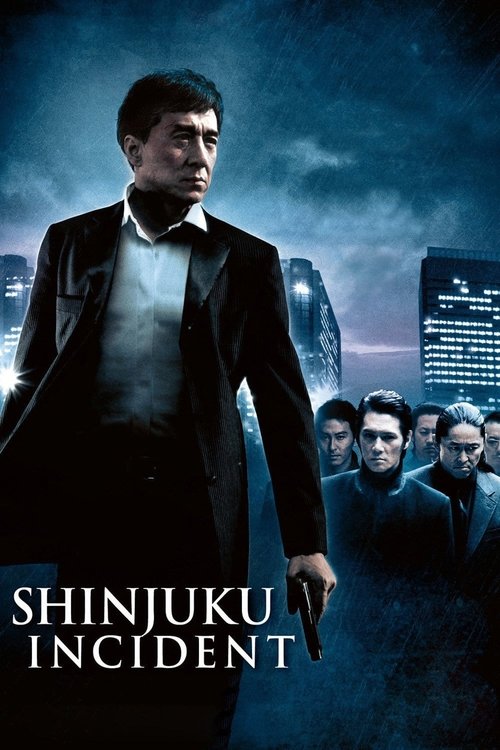
2009
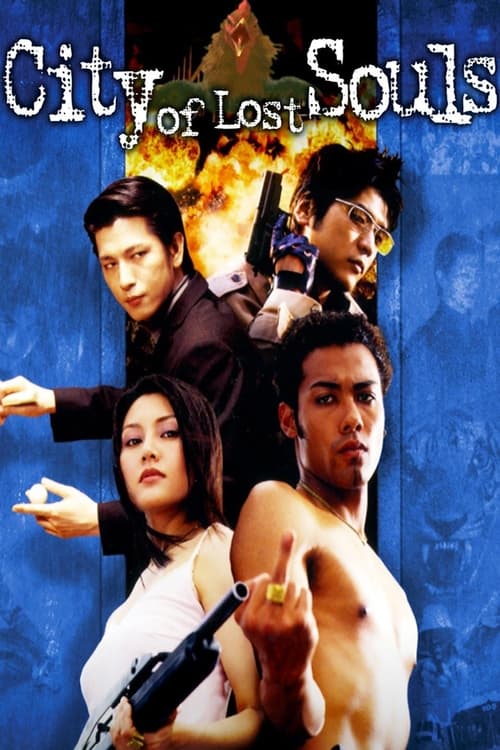
2000
No reviews yet. Be the first to share your thoughts on this movie!
Use the rating form above to leave a star rating and optional review.