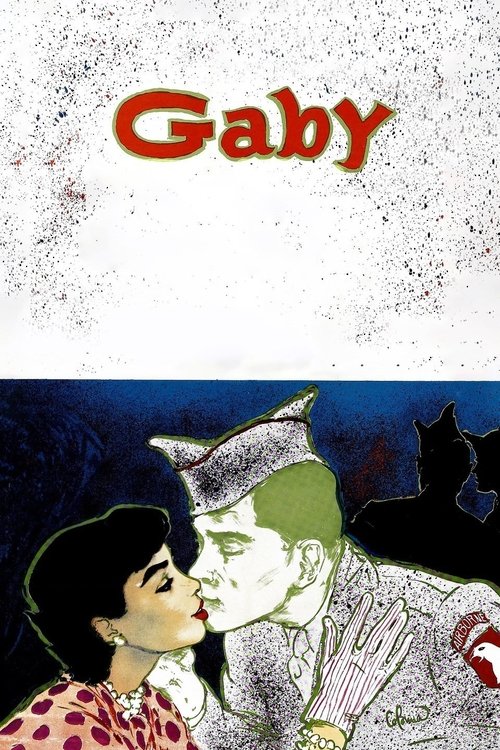
Gaby
1956
No user ratings available yet
Diversity score: 3.8 out of 10

1946
NRDirector
Curtis Bernhardt
Runtime
94 minutes
Average Rating
No ratings yetSynopsis
Tongues begin to wag when a lonely widow becomes romantically involved with a military man. Problems arise when the gossip is filtered down to her own children.
Overall Score
Limited
Category Breakdown
LGBTQ+ Representation
The film adheres to mid-century cinematic standards by focusing on heteronormative romantic structures. There is no evidence of same-sex intimacy or non-cisnormative gender identities.
Gender Representation
The narrative centers on the female experience and the vulnerabilities of a woman's social position. It highlights systemic constraints and the protagonist's struggle for autonomy against societal judgment.
Racial & Ethnic Diversity
Reflecting its 1946 context, the cast is predominantly white within a homogeneous European setting. The film lacks significant minority portrayals or color-blind casting.
Religious & Cultural Diversity
The story emphasizes social honor and the preservation of the family unit. It reinforces traditionalist values and social norms rather than offering a critique of them.
Disability Representation
There are no discernible depictions of physical or neurodivergent disabilities that impact the narrative arc.
Strengths
Areas for Improvement
AI Analysis
My Reputation is a period-specific melodrama that functions as a study of social standing and individual honor. Its primary strength lies in its focus on the female struggle for agency within a rigid class structure. However, the film remains tethered to the demographic homogeneity and traditionalist values of the 1940s studio era. It operates within established social hierarchies rather than challenging them. While the film provides nuanced character development regarding female autonomy, it lacks diversity in terms of race, culture, and LGBTQ+ representation.
1956
1966
1953
1946

1932

1946
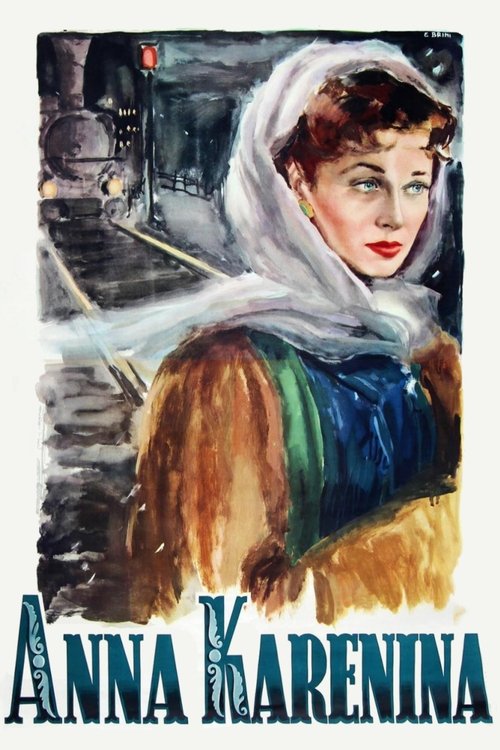
1948

1943

1929
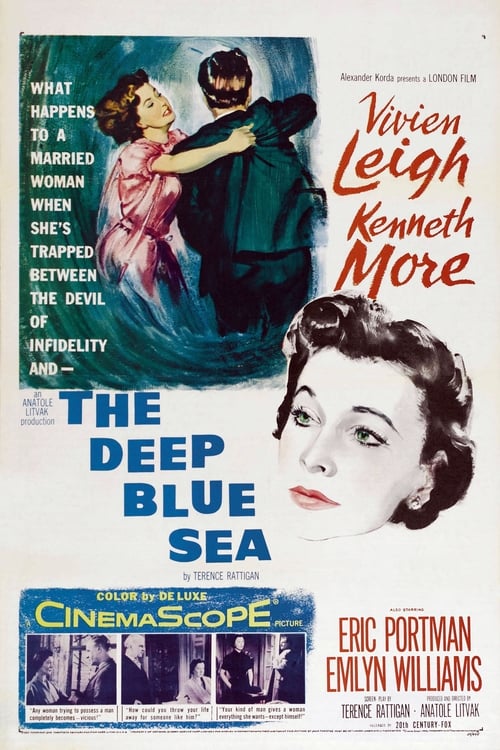
1955
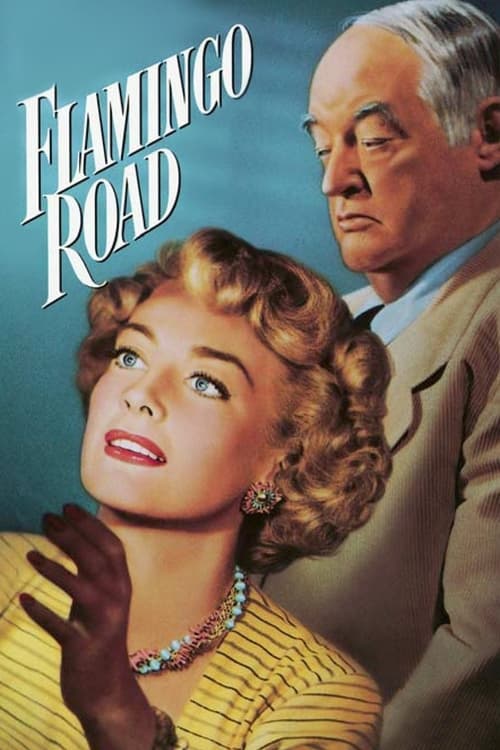
1949
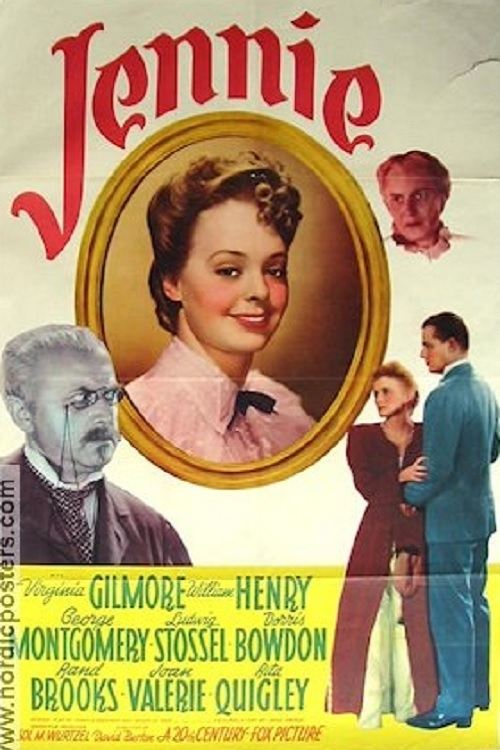
1940
No reviews yet. Be the first to share your thoughts on this movie!
Use the rating form above to leave a star rating and optional review.