I Don't Want to Be a Man
1918
No user ratings available yet
Representation score: 4.4 out of 10
Representation Score
Limited
1926
PassedDirector
Paul Sloane
Runtime
71 minutes
Average Rating
No ratings yetNew Showbiz Analysis
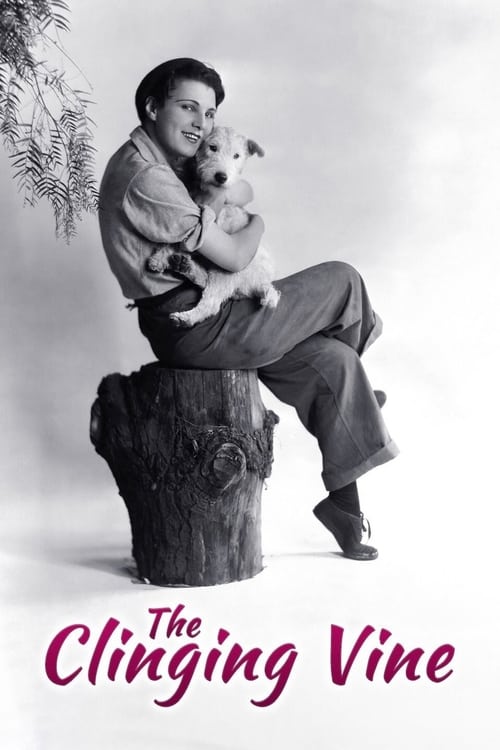
The Clinging Vine offers a progressive perspective on gendered power dynamics for its time. By centering a woman whose intellect surpasses her peers, the film challenges the submissive clichés common in 1920s cinema. However, the film's impact is limited by a lack of racial diversity and an ambiguous approach to LGBTQ+ identity. While it touches on non-assuming gender matches what was assigned at birth presentation, it lacks a clear framework for queer representation. Ultimately, the film is a study of individual ability to act against social expectations, though it remains confined to a narrow demographic scope.
Category Breakdown
The film includes a character who presents in a 'butch' manner, which may suggest a deviation from typical feminine norms. However, it is unclear if this portrayal indicates a queer identity or just a stylistic choice.
A.B. is a tough businesswoman who maintains intellectual dominance regardless of her appearance. The story challenges traditional hierarchies by focusing on a woman with professional authority.
The narrative lacks evidence of non-white or non-Anglo-Saxon characters. The focus remains on social dynamics within a likely homogeneous setting.
The plot critiques societal beauty standards and the pressure to conform to feminine archetypes. It highlights an individualistic resistance against social conformity.
There is no evidence of characters with visible or invisible disabilities within the film's context.
Present on Screen
Limited or Absent
Official Synopsis
When a hardened businesswoman who goes by the initials A.B. overhears someone calling her an “Amazon” because of her butch ways, she agrees to a more “feminine” makeover. In the end she learns that no matter how she looks she’s still the smartest person in any room.
1918
1926
1915
1934
1928

1916
1935
1931
No reviews yet. Be the first to share your thoughts on this movie!
Use the rating form above to leave a star rating and optional review.