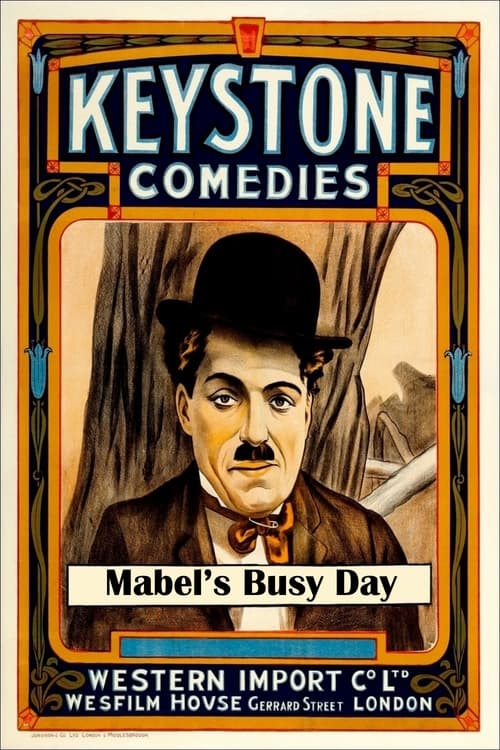
Mabel's Busy Day
1914
No user ratings available yet
Representation score: 1.4 out of 10
Representation Score
Minimal
1914
NRDirector
Mack Sennett, Mabel Normand
Runtime
23 minutes
Average Rating
No ratings yetNew Showbiz Analysis
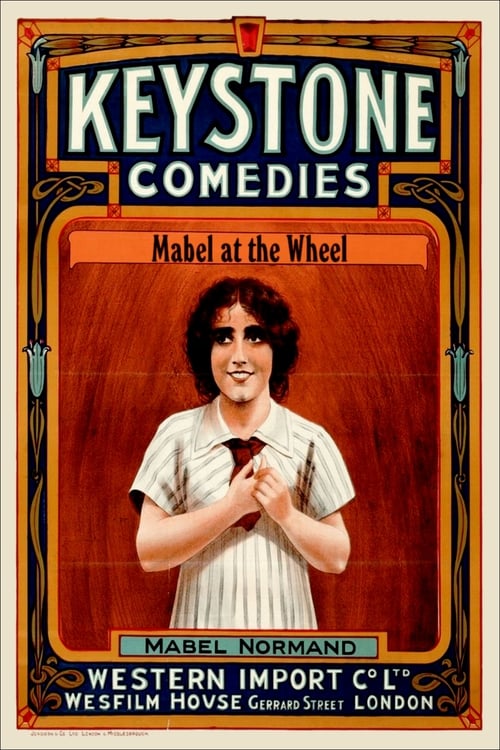
Mabel at the Wheel stands out for its progressive approach to gender norms in 1914. By placing a woman in a traditionally masculine role as a race car driver, the film highlights significant women's ability to drive the story. However, the film's overall diversity is limited by the historical context, lacking characters who reflect more than one aspect of diversity, particularly in racial, ethnic, and LGBTQ+ identities. The comedy focuses on slapstick humor and individualistic rebellion rather than cultural critique.
Category Breakdown
The film does not feature any LGBTQ+ characters or narratives related to non-cisgender identities.
Mabel challenges traditional gender roles by taking on a masculine role in auto racing. She actively drives the plot with her strong presence, moving away from typical submissive female roles.
The film lacks diverse racial and ethnic representation, with no non-white characters having significant roles.
The film uses slapstick humor and rebellious themes to create a chaotic and disruptive atmosphere. It avoids rigid moralistic storytelling by emphasizing individualistic rebellion and physical comedy.
The film does not portray any characters with disabilities or give them significant roles in the narrative.
Present on Screen
Limited or Absent
Official Synopsis
A villain, competing with his rival's race car, kidnaps the rival before the race. Mabel decides to take the wheel in his place.
1914
1926
1913

1974
1914
1913
1924
1911
No reviews yet. Be the first to share your thoughts on this movie!
Use the rating form above to leave a star rating and optional review.