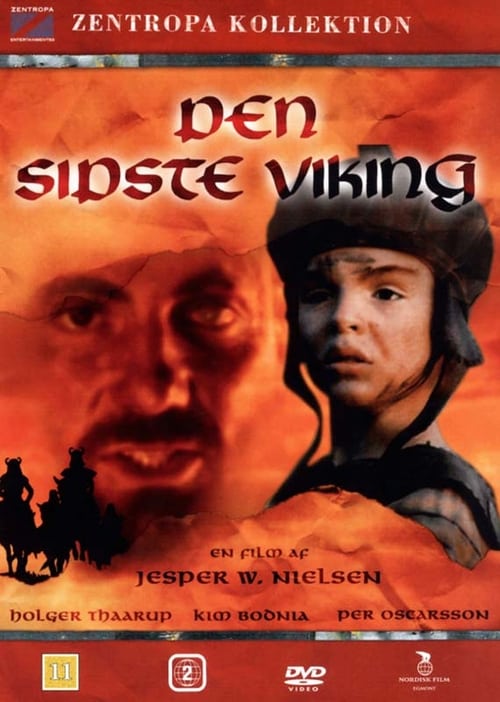
The Last Viking
1997
No user ratings available yet
Diversity score: 2.3 out of 10

1977
NRDirector
Mihalis Kakogiannis
Runtime
127 minutes
Average Rating
No ratings yetSynopsis
The Greek army is about to set sail to a great battle, but the winds refuse to blow. Their leader, King Agamemnon, seeks to provide better food, but accidentally slays a sacred deer. His punishment from the gods, the sacrifice of his daughter Iphigenia.
Overall Score
Fair
Category Breakdown
LGBTQ+ Representation
The film operates within a classical mythological framework. It does not feature non-cisnormative gender identities or same-sex romantic narratives.
Gender Representation
The narrative centers on the female experience as the primary site of moral conflict. While Agamemnon holds political authority, female characters drive the emotional weight of the story.
Racial & Ethnic Diversity
The production maintains historical and cultural homogeneity due to its Ancient Greek setting. It adheres to the ethnic context without utilizing diverse casting to challenge social constraints.
Religious & Cultural Diversity
The film explores moral relativism by framing conflict between state necessity and personal morality. It critiques institutionalized religion and the corruptive nature of state-mandated sacrifice.
Disability Representation
There is no significant evidence regarding the portrayal of visible or invisible disabilities within the film.
Strengths
Areas for Improvement
AI Analysis
Iphigenia is a sophisticated theatrical adaptation that uses Greek mythology to critique institutional power. While the casting is culturally homogeneous, the film succeeds in subverting traditional hierarchies by placing the emotional and ethical burden on its female protagonists. The narrative effectively deconstructs the absolute power of male leadership. By focusing on the vulnerability of the female body to state-driven decisions, the film moves beyond simple myth to offer a critique of patriarchal institutions. Ultimately, the work finds its strength in the tension between individual autonomy and systemic mandates. It uses a classical setting to explore complex themes of morality and the breakdown of the family unit.
1997
2019

1985
1984
2016

1962
2006
1968
2017
1962
No reviews yet. Be the first to share your thoughts on this movie!
Use the rating form above to leave a star rating and optional review.