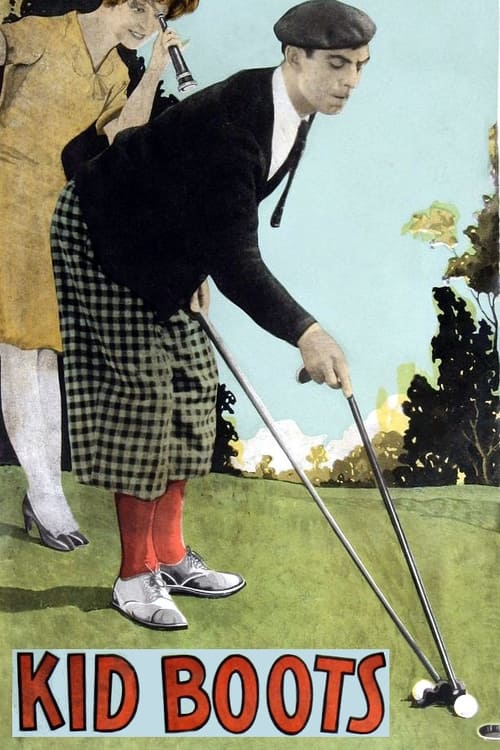
Kid Boots
1926
No user ratings available yet
Diversity score: 1.5 out of 10

1929
PassedDirector
Frank Tuttle
Runtime
95 minutes
Average Rating
No ratings yetSynopsis
Chorus girl Barbara Pell (Nancy Carroll) inherits a school for boys, and uses her position to sabotage the football career of the boy who jilted her.
Overall Score
Limited
Category Breakdown
LGBTQ+ Representation
The film contains no discernible evidence of non-heteronormative identities. The narrative focus remains strictly centered on traditional romantic entanglements.
Gender Representation
Barbara Pell demonstrates notable agency by inheriting a school and using her authority to sabotage a male character. While she disrupts the passive female trope, her power is used for personal romantic vendettas.
Racial & Ethnic Diversity
The cast reflects the homogeneous casting norms of 1929. There is no evidence of a diverse or non-Anglo-Saxon ensemble or intentional racial integration.
Religious & Cultural Diversity
The story adheres to standard romantic comedy conventions of the era. It utilizes established social structures like schools and sports as settings for personal drama rather than systemic critique.
Disability Representation
No characters with visible or invisible disabilities are identified. The film does not engage with neurodivergence or physical disability within its thematic fabric.
Strengths
Areas for Improvement
AI Analysis
Sweetie is a product of its temporal context, reflecting the limited intersectional scope of late 1920s Hollywood. The film functions within traditional narrative structures, focusing on individual romantic conflict rather than systemic or social critique. While the protagonist provides a central driver through her institutional authority, the film remains rooted in the demographic paradigms of its time. It lacks the complexity required to address identity politics or diverse cultural perspectives. Ultimately, the film offers a moderate boost to female agency but fails to challenge broader patriarchal or racial hierarchies, remaining a conventional romantic comedy.
1926
1927
1936

1937
1932
1937
1935

1927
1926
1942
1928
1928
No reviews yet. Be the first to share your thoughts on this movie!
Use the rating form above to leave a star rating and optional review.