Light the Fuse… Sartana Is Coming
1970
No user ratings available yet
Diversity score: 2.3 out of 10
1968
RDirector
Giuliano Carnimeo
Runtime
89 minutes
Average Rating
No ratings yetSynopsis
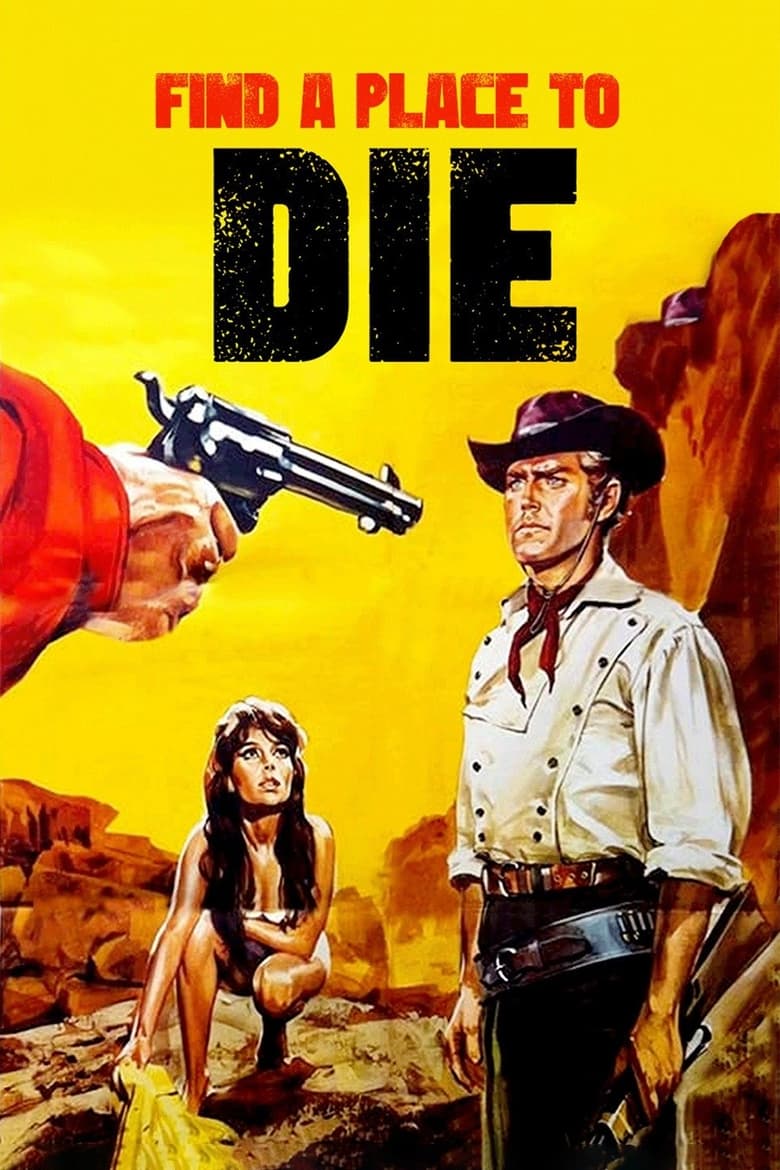
An outcast Confederate soldier protects a woman from bandits trying to steal her gold mine.
Overall Score
Limited
Category Breakdown
LGBTQ+ Representation
The film contains no visible LGBTQ+ characters or narratives. Character dynamics follow the conventional romantic and social structures typical of 1960s action cinema.
Gender Representation
While a woman possesses economic agency through her gold mine, she primarily serves as a catalyst for the male protagonist. The plot reinforces traditional hierarchies where the male lead provides security and resolution.
Racial & Ethnic Diversity
Casting reflects a relatively homogeneous demographic consistent with the Spaghetti Western genre. The film utilizes standard archetypes that do not disrupt the traditional Anglo-centric frontier narrative.
Religious & Cultural Diversity
The story emphasizes rugged individualism and vigilantism within a framework of frontier lawlessness. It adheres to genre-standard moral relativism rather than offering critiques of Western institutions.
Disability Representation
There is no discernible representation of physical or neurodivergent disabilities. Characters are defined by the physical capabilities required for the film's action sequences.
Strengths
Areas for Improvement
AI Analysis
Find a Place to Die is a standard Spaghetti Western that prioritizes genre-specific action and archetypes over social complexity. The narrative relies on established tropes of the era, focusing on a Confederate outcast and a struggle for gold. The film reinforces traditional social hierarchies rather than challenging them. Gender roles are conventional, with the female lead acting as a reactive figure to the male protagonist's agency, and the racial demographic remains largely homogeneous. Ultimately, the work functions as a conventional exploration of frontier survival. It lacks the intentionality needed to provide diverse perspectives or subvert the standard Western narrative structures of the late 1960s.
1970
1971
1972
1973

1971
1951

1960
1965
1934

1968
1932
1953
No reviews yet. Be the first to share your thoughts on this movie!
Use the rating form above to leave a star rating and optional review.